Substance abuse is a pervasive issue worldwide that impacts not only the person who has an addiction but also their family, friends, and community.
Understanding how addiction impacts an individual and their relationships is crucial for loved ones providing support throughout the recovery journey while still prioritizing their own safety and mental health.
Wellbrook Recovery highlights the struggles that accompany the journey of addiction and relationships, emphasizing the need to offer support to families of addicts, as well as for the addicts themselves.
When Addiction and Relationships Collide
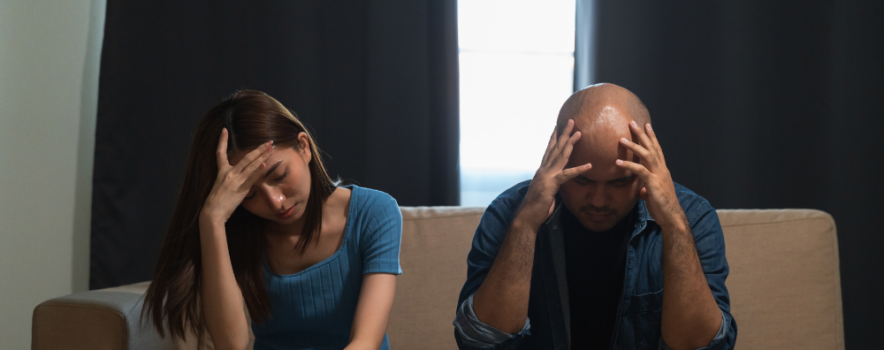
Witnessing a loved one struggling with substance abuse can be heartbreaking and frustrating for family and friends. Trying to navigate addiction and marriage or any other relationship can cause feelings of helplessness, anger, and neglect, seeing the person they care about fall into negative patterns of drug and alcohol use. Loving an addict can be difficult; however, understanding the effects of substance abuse can help family and friends provide an environment of support, empathy, and patience.
Understanding the Effect of Substance Abuse
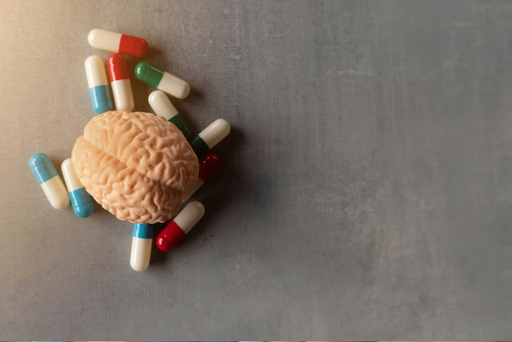
Addiction is a chronic brain disease clinically known as substance use disorder (SUD). It is recognized as a mental health disorder that is characterized by compulsive drug usage. Knowing the effect that addiction has on the brain can help family and friends understand what their loved one is struggling with, allowing them to provide the necessary support and empathy that they need.
Studies have shown that continuous use of drugs and alcohol alters the brain’s function, leading to negative effects both physically and psychologically. Besides the harmful impact drugs have on a person’s body, such as liver damage, heart disease, and compromised immunity, drugs also severely affect a person’s behavior and mental health.
Someone struggling with addiction may experience impaired cognitive function, memory loss, and reduced ability to control impulses. This can come across as an inability to make decisions or difficulty understanding the consequences of their actions. They may be faced with heightened anxiety, depression, and paranoia, which can impact their daily life and interactions with others. Addiction can also cause social withdrawal, where a person isolates themselves from activities and settings they used to enjoy.
How Drug Abuse Impacts a Relationship
Drug abuse can take a toll on any relationship, including with family, friends, and spouses. Living with an addict often comes with feelings of neglect and abandonment as you see your loved one prioritizing their substance use and isolating themselves from those who care about them. Relationships with addicts can be strained and tense due to the addiction, which often becomes a source of conflict. The following problems often arise when someone is dating or married to an addict:
Trust and Communication Issues
Someone struggling with addiction often lies and acts secretly to try to hide their negative habits. This typical addict behavior in relationships can cause mistrust and feelings of unreliability. Additionally, communication within a relationship can be affected when the person struggling with addiction acts defensively, aggressively, or withdrawn.
Violence and Abuse
Under the influence of drugs and alcohol, a person may become aggressive and violent. Such behavior can lead to physical and emotional abuse that leaves lasting scars. This creates an unhealthy and potentially dangerous environment for their loved ones.
Financial Strain
Someone struggling with addiction may prioritize their addiction over their financial responsibilities. When a lot of money is used to feed the addiction, it can cause financial strain due to unpaid bills, debt, and a loss of financial security. For a person married to, or dating an addict, it adds another layer of stress and conflict to the already fragile relationship.
Increased Irritability and Mood Swings
Drugs and alcohol can affect a person’s mood as it wears off, causing them to have sudden mood changes. This can leave loved ones feeling confused, frustrated, and isolated. Their constant mood rollercoaster can be emotionally depleting for everyone involved with or living with an addict.

Support for Families of Addicts
When a loved one is struggling with addiction, it can often feel isolating. However, it is important to remember that you are not alone. There are multiple resources available to help both you and your loved one navigate this challenging time. Here is a list of tools that may help:
Support Groups
There are multiple support groups for families of addicts that provide a safe and understanding environment. In these warm and welcoming spaces, you can share your experience and receive support from others in similar situations. You can gain valuable insights and coping strategies by connecting to others who understand your challenges. A support group specifically designed for spouses of addicts will provide guidance on how to deal with a husband’s addiction.
Family Counseling
For family members navigating the complexities of living with a loved one struggling with addiction, family counseling and therapy, like those offered at Wellbrook Recovery, are beneficial. These sessions provide tools for effective communication, healthy coping strategies, and emotional support. Family counseling is a tool to help families rebuild trust, resolve conflict, and strengthen relationships.

Self-Care
Giving yourself the time and space to look after your own needs is crucial. Engage in activities that promote a healthy lifestyle, such as regular exercise, a balanced diet, and adequate sleep. Additionally, it is important to make time for hobbies that make you feel happy and relaxed. Loving someone with an addiction can be taxing, and self-care ensures that you are mentally and physically capable of supporting them.
The Effect of Co-Occurring Disorders on Relationships
It is common for people struggling with addiction to have other co-occurring mental health disorders as well. It is estimated that 70.5 million adults in the United States struggle with substance abuse. A large percentage of these suffer from co-occurring disorders, including depression, anxiety, and PTSD (post-trauma stress disorder).
Substance abuse and mental health are often interconnected, with each condition heightening the other. This creates a complex situation where both the addiction and mental health problems get worse. Professional rehab centers like Wellbrook ensure that both addiction and co-occurring disorders are effectively addressed in specialized dual diagnosis treatment.
The impact of addiction and relationships is often compounded by the existence of co-occurring disorders, creating tension in the family. The best way to help someone in this situation is to educate yourself on mental health problems and seek professional support.
Recovering Addicts and Their Relationships
Supporting a loved one through addiction can strain your relationship. When navigating relationships with addicts on their recovery journey, it’s important to:
Set Healthy Boundaries
This includes creating clear limits around substance use, personal space, and communication. Setting these boundaries protects you from getting hurt, helps maintain a healthy relationship, and prevents further strain during the addiction recovery process.
Be Honest and Open
Open and honest communication is crucial during recovery to rebuild trust and repair relationships. This helps both parties understand the challenges that the other is facing and allows you to be more supportive.
Accept Support
Remember that you are not alone. It is beneficial to seek support from therapists, counselors, or others facing similar struggles. Support groups are available to help you navigate the challenges that come with loving an addict.
Give it Time
The addiction recovery journey can be long and difficult. It is important to give time for trust and connection to be re-established. Be patient; it is natural for change to be slow, but consistent effort can lead to positive improvements.
How Not to Enable an Addict
Here’s how you can avoid enabling an addict and encourage healthier behaviors:
- Set clear boundaries and stick to them
- Avoid rescuing them from the consequences of their actions
- Don’t make excuses for their behavior
- Refrain from providing financial support that enables addiction
- Encourage accountability for their actions
- Support their recovery only if they are willing to seek help
Don’t Struggle with Addiction and Relationships Alone
Substance abuse has a deep impact on both the individual and their relationships. Understanding and recognizing the impact of addiction on relationships can allow friends and family to foster a supportive and non-judgmental environment where their loved ones can heal.
If you believe your loved one is struggling with addiction, it is important to encourage them to seek professional help. Don’t hesitate to reach out to Wellbrook Recovery, renowned specialists in addiction recovery, and take the first step towards healing. Reaching out for expert support is an act of love and the first step toward building a healthier and more fulfilling future.