When someone you care about decides to stop using drugs, it can feel like a relief, and a worry at the same time. The idea of quitting “cold turkey,” stopping abruptly without medical supervision, may sound brave, but it can also be dangerous. Intense withdrawal symptoms may leave family and friends wondering whether you can die from quitting drugs cold turkey. Some substances do, in fact, cause severe withdrawal symptoms that can put a person’s health at serious risk. Understanding what drugs you can die from when quitting cold turkey is important for anyone supporting a loved one through recovery.
Key Takeaways
- Quitting ‘cold turkey’ means stopping drug or alcohol use abruptly, without tapering it off.
- Substance abuse physically alters the body and mind and causes real dependence, and stopping it all at once can be dangerous and even fatal.
- Medically supervised detox in a certified facility like WellBrook Recovery ensures a safe breakaway from drugs or alcohol.
What Does It Mean to Quit Cold Turkey?
Quitting “cold turkey” means suddenly stopping drug or alcohol use without tapering (gradually reducing use) or medical assistance. While stopping cold is often portrayed as an act of willpower, addiction is a disease that alters brain chemistry and body function. Once the body becomes dependent on a substance, abruptly removing it can cause intense withdrawal symptoms, and while some are merely uncomfortable, others can be dangerous. That’s why understanding what drugs you cannot quit cold turkey is important for anyone considering stopping substance use.
Is it Bad to Quit Drugs Cold Turkey?
In most cases, it is not recommended to quit drugs cold turkey, especially without medical support. When someone stops using, their body struggles to regain balance. This withdrawal process can lead to nausea, shaking, sweating, anxiety, insomnia, and in some cases, seizures or heart complications.
What Happens When You Quit Drugs Cold Turkey?
The body’s reaction to quitting drugs cold turkey depends on the type of drug, the duration of use, and the person’s overall health. Some people may experience mild discomfort, while others may face life-threatening complications.
The most immediate risks include:
- Seizures or heart irregularities from certain depressants
- Severe dehydration from vomiting or diarrhea
- Psychological distress, including panic or hallucinations
- Relapse, often due to unbearable withdrawal symptoms
What Drugs Can Kill You If You Quit Cold Turkey?
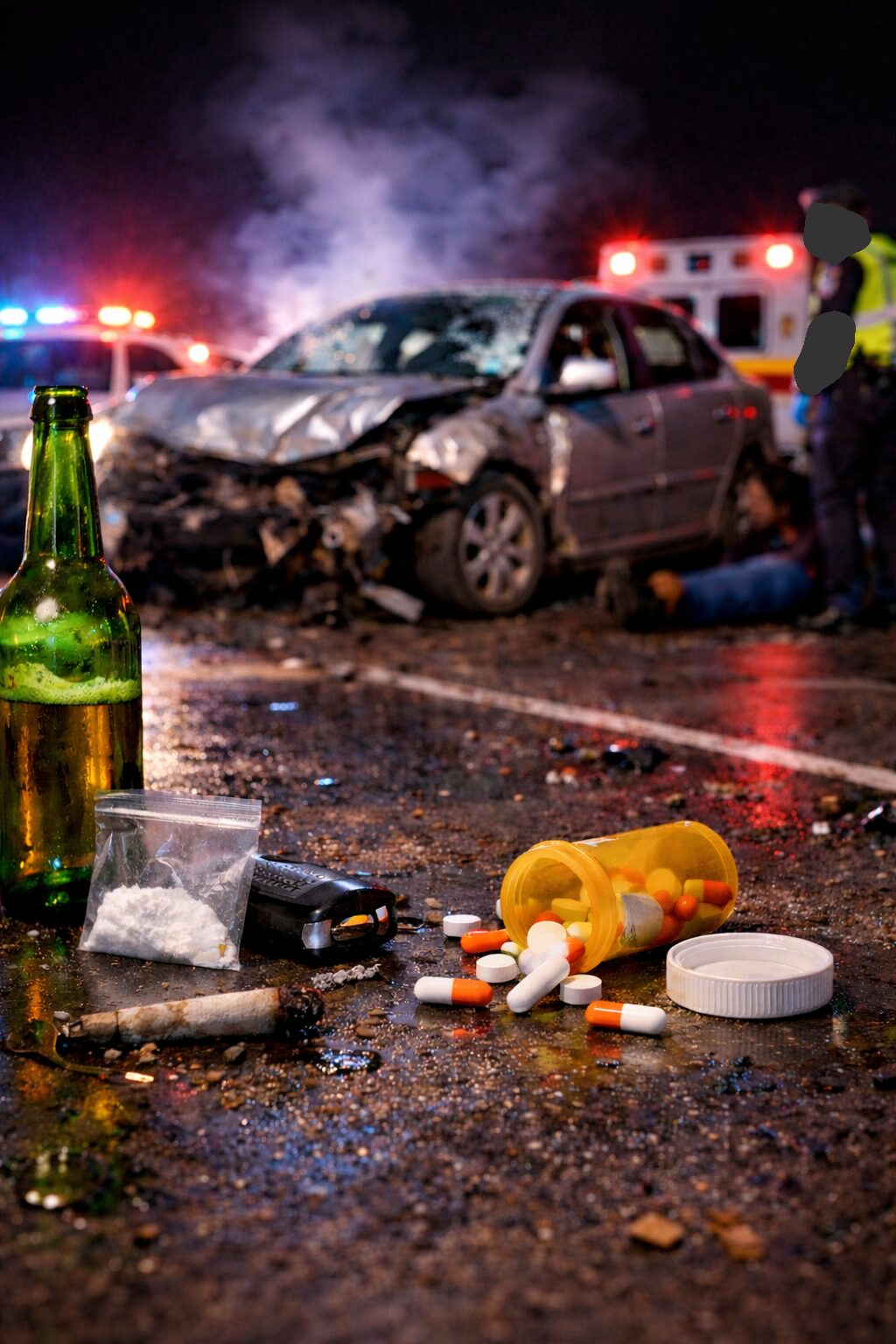
The most dangerous substances to stop abruptly are heroin, opioids, benzodiazepines, and alcohol.
Knowing what drugs will kill you if you quit cold turkey isn’t meant to scare, but rather to help you make an informed decision about when to reach out for help. A professional detox program like WellBrook Recovery can monitor withdrawal reactions, provide medication to ease symptoms, and ensure the process remains safe.
1. Heroin
Heroin alters brain chemistry by flooding it with dopamine. When someone suddenly stops using, the body reacts with nausea, vomiting, chills, and extreme pain. While heroin withdrawal itself is rarely fatal, complications such as dehydration, infection, or relapse can be deadly. Relapse after withdrawal is especially dangerous because tolerance drops quickly, making overdose far more likely.
2. Opioids
Prescription painkillers like OxyContin, Vicodin, and morphine act on the same brain receptors as heroin. Withdrawal symptoms, fever, muscle aches, diarrhea, and anxiety, can be overwhelming. Though withdrawing from opioids is not inherently fatal, it can cause dehydration or cardiac stress, which can become serious concerns. More commonly, individuals relapse after trying to quit alone, and a single misjudged dose can lead to overdose, particularly when drugs are laced with fentanyl.
3. Benzodiazepines
Commonly known as benzos, these medications (like Xanax, Klonopin, and Valium) calm the nervous system. When use stops suddenly, the brain can go into overdrive, leading to tremors, paranoia, rapid heartbeat, and seizures. Benzodiazepine withdrawal can be life-threatening, and a slow, medically supervised taper is the safest path forward.
4. Alcohol
Alcohol withdrawal can also be deadly if unsupervised. In severe cases, it can cause delirium tremens (DTs) – marked by confusion, high fever, hallucinations, and seizures. Even in less extreme cases, the physical stress of withdrawal can be dangerous. A supervised medical detox helps manage symptoms and reduce the risk of complications.
What Is the Hardest Drug to Quit Cold Turkey?

Methamphetamine is often cited as one of the hardest drugs to quit cold turkey. Meth withdrawal isn’t usually fatal, but it can cause deep depression, anxiety, fatigue, and powerful cravings that drive relapse.
Other drugs that are extremely hard to quit include cocaine, opioids, and benzodiazepines. These substances change brain function so profoundly that a person may feel physically and emotionally unable to function without them. Professional treatment at a medically supervised detox program helps stabilize both the body and mind, giving people a real chance at long-term recovery.
Quitting Drugs by Yourself Is Dangerous, but We Can Help
Watching someone you love suffer through withdrawal alone can be heartbreaking – and risky. The good news is that no one has to do it alone. At WellBrook Recovery, our medical detox program is overseen by licensed clinicians who specialize in addiction treatment and are experienced at managing withdrawal safely. You or your loved one will receive expert 24/7 nursing care, and our professional staff will do everything to make you as comfortable as possible. If you or a loved one is ready to stop using safely, contact us for help.
Quitting Drugs Cold Turkey FAQs
What are the stages of drug withdrawal?
The stages of drug withdrawal are acute, sub-acute, and protracted. The acute stage begins first, usually within hours, and brings the most intense withdrawal symptoms as your body reacts to the sudden lack of the substance it’s gotten used to. Over the next week or two, the sub-acute stage brings a slow easing of symptoms. The protracted stage can linger for months, as your mood, sleep, and focus gradually settle when your system regains balance.
Which drug has the longest withdrawal?
The drugs with the longest withdrawal are long-acting benzodiazepines like diazepam and nitrazepam. The acute stage of withdrawal from long-acting benzos can last 2-8 weeks, while protracted symptoms can continue for 6 months to a year. Opioids and alcohol are the runners-up.
What should I eat during withdrawal?
During withdrawal, nutrient-dense foods like lean proteins, complex carbohydrates, omega-3 fats, and fruits and vegetables can help brain recovery and reduce cravings. Drinking plenty of water is also important to protect you from dehydration. But breaking an addiction is hard enough, and it may not be the best time to make major diet changes, too. Staying off the drug matters far more than sticking to a strict meal plan. WellBrook Recovery’s detox program provides structured meals to support you so that you can focus on your recovery.
What happens to the brain after quitting drugs?
After quitting drugs, the brain restores the balance of neurotransmitters (like dopamine) that the drug hijacked, reduces inflammation, and rebuilds neural pathways over 30–180 days, depending on the drug type and severity of use. Withdrawal symptoms will improve as the brain’s dopamine receptors recover. The recovering person’s cognitive functioning also stabilizes, and their memory, attention, and mood improve. Most structural recovery, where the brain grows back tissue, reconnects pathways, and returns to its pre-addiction structure as much as possible, happens within the first six months after quitting.
Is it ever better to quit substances cold turkey?
It is sometimes recommended to quit nicotine cold turkey because studies show it can lead to better success rates than trying to reduce smoking gradually. However, for substances that can cause life-threatening withdrawal, it is always better to undertake medically supervised detox.