Methamphetamine is a dangerous enough drug as is. According to CDC data, it is highly addictive and contributes to tens of thousands of overdose deaths annually. Add in the problem of fake meth, and the complications associated with meth use multiply. Not only can fake meth be even more dangerous than real meth, but it can also be much harder to identify.
In this guide, Wellbrook Recovery, experts in addiction rehabilitation, explain what is fake meth, how to identify it, and the dangers inherent in fake meth.
What Is Fake Meth?
Two kinds of fake meth
Fake meth can refer to one of two things:
- A substance sold as meth that contains no meth. For example, forensic research has documented compounds such as N-isopropylbenzylamine (N-ISO) being used as substitutes because they can form crystals that closely resemble methamphetamine in appearance
- A substance containing some meth but that is heavily cut with other adulterants, like isopropyl benzylamine (ISO), bath salts, fentanyl, or any number of dangerous chemicals and substances.
Substances found In fake meth
Here are some of the most common types of substances found in fake crystal methamphetamine:
- Inactive Ingredients – These are substances that have no psychoactive effects and are used to bulk up the product. Examples include talcum powder, baking soda, or sugar.
- Substitute Stimulants – Some fake meth products may contain other, less expensive stimulants like caffeine, ephedrine, or pseudoephedrine to mimic the energizing effects of methamphetamine.
- Dangerous Substances – In some cases, fake meth may contain harmful or toxic substances. These ingredients can cause severe health problems or even death.
What does fake meth look like?
If you’re trying to figure out how to spot fake meth, you’re not alone. Even law enforcement has a difficult time distinguishing between fake and real meth during drug busts, as the two often look nearly identical.
A study published on researchgate.com explains that lab testing is usually required to identify meth, and that visual inspection is unreliable. As a result, you may never really figure out how to tell if meth is real or fake. However, there may be some noticeable differences in color, texture, or consistency. Here are a few characteristics of fake meth to look for:
Characteristics of fake meth:
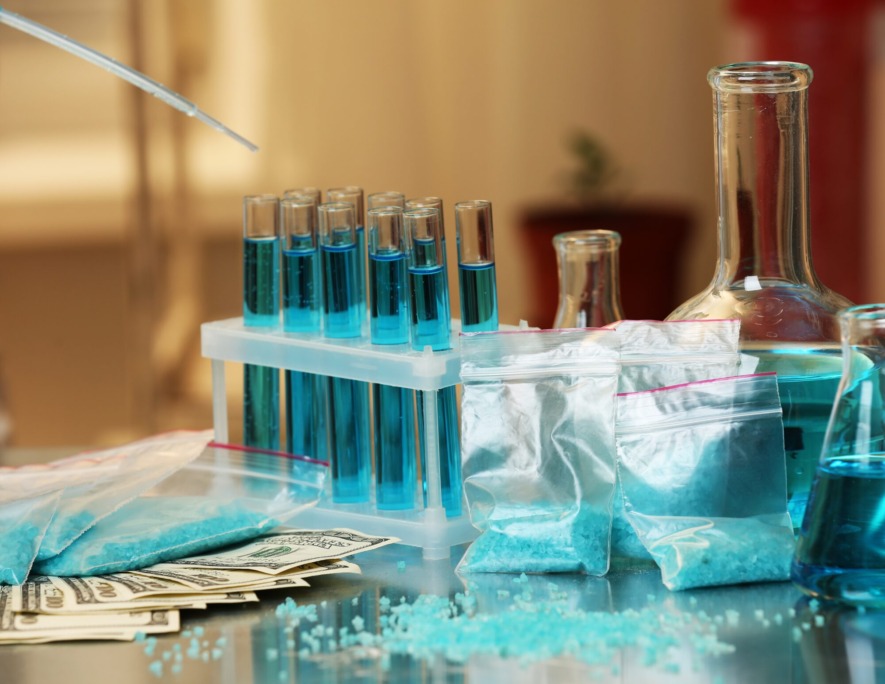
- Color – The DEA meth fact sheet states that real methamphetamine is usually a translucent or clear crystal-like substance, although it can sometimes be slightly off-white or yellow. Fake meth may be unnaturally white or a completely different color.
- Texture – NIDA research indicates that authentic meth comes in the form of shards, crystals, or a coarse powder. Fake meth may be extremely fine, powdery, clumpy, or inconsistently textured, depending on the compounds used to produce it.
- Consistency – Real meth crystals are typically hard and brittle, breaking into smaller shards or powder when crushed. Fake meth may be softer and more pliable, which can be an indicator that it contains other substances.
- Odor – Some users report that real methamphetamine has a chemical smell. Fake meth might have a different or more pronounced odor, depending on the substances used to create it. Note that because illicit drugs are often produced in uncontrolled environments, odor can vary widely and should not be relied upon as a reliable indicator of authenticity.
- Taste – While it’s not a reliable method and can be dangerous, some users claim that real meth has a bitter taste, while fake meth can taste different or have no taste at all.
- Melting Point – NIH explains that when heated, genuine methamphetamine will melt and turn into a clear liquid before vaporizing. Fake meth may have a different melting point or not vaporize properly.

The Increased Dangers Of Fake Meth
Fake meth presents increased dangers compared to real methamphetamine, despite both being harmful substances. The increased risks associated with fake meth stem from the unknown and potentially toxic ingredients used in its production. Some of these dangers include:
Unknown Ingredients and Adulterants
Methamphetamine fakes can contain a variety of substances. While some may be harmless, others could be deadly. Since users have no way of knowing what they are ingesting, fake meth can lead to unpredictable and dangerous consequences. For example, fake meth may contain other psychoactive substances, such as synthetic bath salts or stimulants. These substances can cause adverse reactions when combined or taken in high doses.
Higher risk of addiction and overdose
Some ingredients used in fake meth may have their own addictive properties, leading to a higher potential for dependence and addiction. Additionaly, the potency and composition of fake methamphetamines are unpredictable, which makes it difficult to gauge an appropriate dose. This unpredictability increases the risk of overdose, as users may inadvertently consume a dangerous amount of the substance or an unknown toxic ingredient.
Contaminants and Health Complications
The production of fake meth is typically done in uncontrolled and unsanitary conditions, which increases the risk of impurities and contaminants that are harmful to human health. In some cases, users may not even realize they are consuming fake meth, which can delay seeking appropriate medical care or addiction treatment.
Get help for drug and alcohol use related struggles.
As easy and clear as it can get.
Are you ready to be given a new chance at health and happiness? Be your true best self? Has going it alone not been working? Perhaps you’re concerned about a loved one and want to support them in obtaining the help they need to get better?
Wellbrook Recovery has extensive experience and expertise assisting individuals with all types of substance abuse struggles. Providing compassionate and cutting-edge, multi-pronged addiction recovery care at our beautiful, upscale facilities.
Our highly regarded, expert team of multi-licensed therapists and specialists will make your success their own and will hold your hand throughout, regardless of where you currently at. We’ve done it hundreds of times, helping individuals and families reclaim their lives, their confidence, and their smiles.
Just reach out.
We'll walk you through the simple admission process and answer any and all questions.
We understand that addiction affects everyone differently, which is why we offer a range of treatment options designed to meet your individual needs. Our treatment center provides the following programs:
Drug & Alcohol Detox: Detoxification is often the first step in recovery. Our facility provides medically supervised detox to help clients safely manage withdrawal from drugs or alcohol in a supportive environment.
Inpatient Drug Rehab: Inpatient treatment offers a structured environment so clients can focus on recovery free from distractions. It’s ideal for those at the beginning of their recovery journey who need intensive, around-the-clock care to overcome addiction.
Day rehab – Partial Hospitalization Program (PHP): As clients transition from inpatient care to a more independent lifestyle, PHP gives them the support they need as they continue on their road to recovery. By spending much of the day in rehab but the evenings at home, clients reinforce the life and recovery skills they learned during inpatient treatment.
Outpatient Treatment Programs (Day/Evening): For those who need more flexibility, outpatient programs allow clients to continue living at home while attending treatment on a part-time basis.
Wellbrook Recovery believes in treating the whole person, not just the addiction. Our services go beyond detox and inpatient care to ensure a complete recovery process:
- Mental Health Support: Addiction often co-occurs with mental health disorders such as anxiety, depression, trauma and PTSD. Our team of mental health professionals works closely with clients to treat both the addiction and any underlying mental health issues.
- Behavioral Therapy: We utilize proven behavioral therapies such as CBT, DBT, IFS, EMDR, Biofeedback, Music Therapy, Art Therapy, among other advanced therapies to help individuals address the root causes of addiction, develop coping skills, and make lasting changes in their lives.
- Support Groups: Our support groups provide individuals with the opportunity to connect with others who are going through similar struggles. Peer support is an essential part of the recovery journey.
- Family Programs: Addiction impacts not only the individual but also their loved ones. Our family programs educate and support families, helping them to rebuild relationships and provide ongoing support.
- Alumni & Aftercare: We have a network of our close-knit alumni community, with events and support to stay in touch with your recovery and “battle brothers & sisters” from your time in treatment.