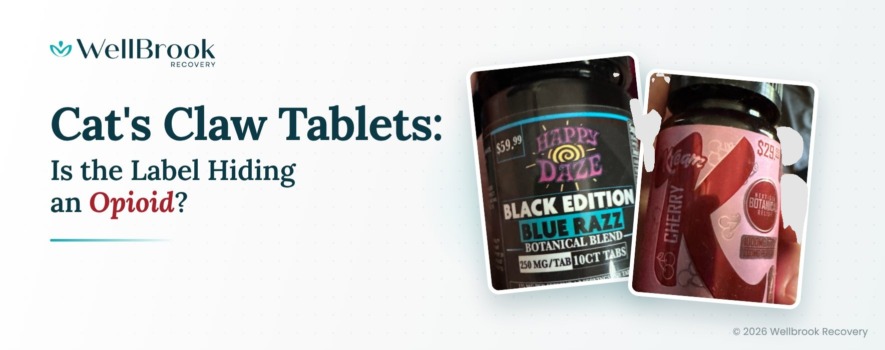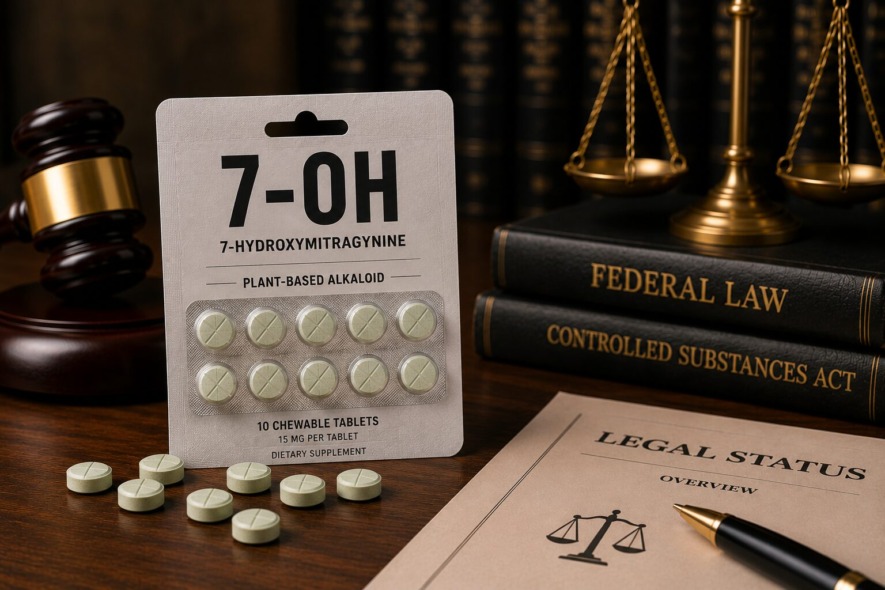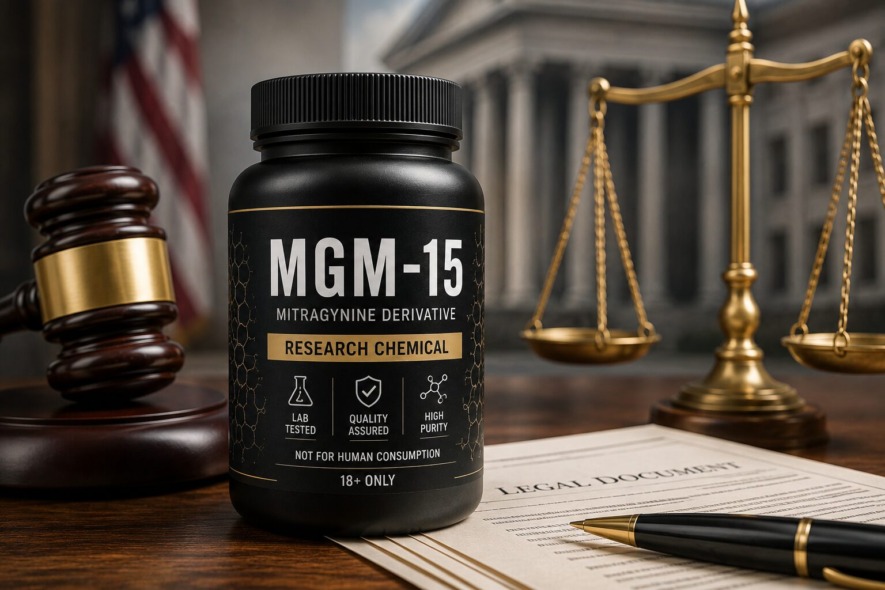
7-OH. Often sold as a popular ‘wellness’ product, with sleek packaging and limited safety instructions. But its effects are far more dangerous than one may think by looking at its packaging.
7-OH can cause respiratory depression, meaning it can slow or stop breathing. It acts on the same brain receptors as opioids like morphine. Animal studies and human case reports show it can slow breathing to dangerous levels, and in some cases, it has led to cardiac arrest.
What is respiratory depression?
Respiratory depression means breathing that is too slow or too shallow for the body’s needs. The body doesn’t manage to inhale enough oxygen, and dangerous levels of carbon dioxide can build up in the blood. This can lead to hypoxia, brain damage, cardiac arrest, and death.
How 7-OH causes respiratory depression
7-OH acts like an opioid. It attaches to the opioid receptors in the brain, in the same way that drugs like morphine and fentanyl do. Some of those receptors sit in the brainstem, the part of the brain that runs breathing on autopilot. You never have to think about taking a breath. Your brainstem does it for you.
When 7-OH switches those opioid receptors on, it turns down the automatic signal in the brainstem. Breathing gets slower, and each breath gets shallower. The body isn’t getting as much oxygen as it needs. In the worst cases, breathing stops completely.
This isn’t just theory. Doctors who reviewed reported cases found that 7-OH slows breathing in the same way that other opioids do, and it can lead to cardiac arrest when the oxygen runs out. Cardiac arrest, unless treated promptly, can result in death.
Signs and symptoms of 7-OH respiratory depression
Respiratory depression from 7-OH can look similar to a standard opioid overdose. The CDC lists these warning signs:
- Slow, shallow breathing, or no breathing at all
- Choking, snoring, or gurgling sounds
- Can’t wake up, or keeps nodding off
- Tiny, pinpoint pupils
- A limp body
- Pale, blue, or cold skin, especially the lips and fingertips
You might also notice clues that 7-OH was involved:
- Open 7-OH packets, gummies, tablets, or liquid shots nearby
- Products labeled “kratom,” “7-OH,” or “7-hydroxy,” often from gas stations, vape shops, or smoke shops
The dangers of 7-OH respiratory depression
When breathing slows down, less oxygen reaches the body. The brain and heart are hit first, and the damage can be permanent. Dangers include:
- Choking on vomit. Someone who is heavily sedated can throw up and breathe it into their lungs. They may not wake up enough to clear their airway, which can cause lung damage, airway obstruction, and choking.
- Brain damage. The brain needs a steady supply of oxygen. According to the CDC, when an overdose slows or stops breathing, it can cause brain damage or death.
- Cardiac arrest. If oxygen drops low enough, the heart can stop. This has already happened with 7-OH. In a 2026 case report, a 29-year-old man stopped breathing and went into cardiac arrest after taking about four 7-OH tablets. He had also used other substances.
- Death. Without prompt recognition of respiratory depression and fast help, respiratory depression can quickly become fatal.
What to do in cases of respiratory depression from 7-OH
Narcan is a lifesaving drug that can reverse the respiratory depression effects of 7-OH.
- Always give Narcan in the case of suspected overdose.
- Call 911.
- If they’re not breathing, start CPR. The 911 dispatcher can walk you through it.
- If they’re breathing, lay them on their side so they don’t choke.
- Repeat doses every 2-3 minutes as needed.
- Stay with them until help arrives.
- Be sure to show emergency personnel any wrappers or evidence of what drugs were involved, as 7-OH may not show up in standard toxicology testing.
Respiratory depression can increase when other substances are involved
Alcohol, benzodiazepines like Xanax, sleep aids, muscle relaxants, and other opioids all slow breathing too. Taken together, each one makes the others more dangerous. Thus, even a small amount of 7-OH can become dangerous when mixed with other substances that slow breathing.
FAQs about 7-OH respiratory depression
Yes. 7-OH can cause respiratory depression, which means it can slow or stop your breathing. It acts on the same brain receptors as opioids like morphine. Animal studies and human case reports show it can slow breathing to dangerous levels, and in some cases it has led to cardiac arrest.
It can. When breathing slows too much or stops, the result can be fatal. Deaths involving 7-OH have been reported, but it’s often hard to prove 7-OH alone was the cause, because many cases also involve alcohol or other drugs. Treat every suspected overdose as an emergency.
The biggest risks are brain damage from low oxygen, choking on vomit while sedated, cardiac arrest, and death. The danger goes up when 7-OH is mixed with alcohol, benzodiazepines like Xanax, sleep aids, muscle relaxants, or other opioids, because they all slow breathing too.
7-OH (7-hydroxymitragynine) is a compound found naturally in kratom leaves in trace amounts. Many products sold today contain synthetically produced 7-OH in much higher concentrations than found naturally. 7-OH attaches to opioid receptors in the brainstem, the part of the brain that controls breathing. This makes breathing slower and shallower. At high enough doses, breathing can stop.
No. No medication is approved specifically for 7-OH. But naloxone (Narcan), the FDA-approved emergency treatment for opioid overdose, has reversed 7-OH respiratory depression in animal studies and human cases. It’s sold over the counter. If you suspect a 7-OH overdose, give naloxone, call 911, and stay with the person.
Are you ready to be given a new chance at health and happiness? Be your true best self? Has going it alone not been working? Perhaps you’re concerned about a loved one and want to support them in obtaining the help they need to get better?
Wellbrook Recovery has extensive experience and expertise assisting individuals with all types of substance abuse struggles. Providing compassionate and cutting-edge, multi-pronged addiction recovery care at our beautiful, upscale facilities.
Our highly regarded, expert team of multi-licensed therapists and specialists will make your success their own and will hold your hand throughout, regardless of where you currently at. We’ve done it hundreds of times, helping individuals and families reclaim their lives, their confidence, and their smiles.
Just reach out.
We’ll walk you through the simple admission process and answer any and all questions.
We understand that addiction affects everyone differently, which is why we offer a range of treatment options designed to meet your individual needs. Our treatment center provides the following programs:
Drug & Alcohol Detox: Detoxification is often the first step in recovery. Our facility provides medically supervised detox to help clients safely manage withdrawal from drugs or alcohol in a supportive environment.
Inpatient Drug Rehab: Inpatient treatment offers a structured environment so clients can focus on recovery free from distractions. It’s ideal for those at the beginning of their recovery journey who need intensive, around-the-clock care to overcome addiction.
Day rehab – Partial Hospitalization Program (PHP): As clients transition from inpatient care to a more independent lifestyle, PHP gives them the support they need as they continue on their road to recovery. By spending much of the day in rehab but the evenings at home, clients reinforce the life and recovery skills they learned during inpatient treatment.
Outpatient Treatment Programs (Day/Evening): For those who need more flexibility, outpatient programs allow clients to continue living at home while attending treatment on a part-time basis.
Wellbrook Recovery believes in treating the whole person, not just the addiction. Our services go beyond detox and inpatient care to ensure a complete recovery process:
- Mental Health Support: Addiction often co-occurs with mental health disorders such as anxiety, depression, trauma and PTSD. Our team of mental health professionals works closely with clients to treat both the addiction and any underlying mental health issues.
- Behavioral Therapy: We utilize proven behavioral therapies such as CBT, DBT, IFS, EMDR, Biofeedback, Music Therapy, Art Therapy, among other advanced therapies to help individuals address the root causes of addiction, develop coping skills, and make lasting changes in their lives.
- Support Groups: Our support groups provide individuals with the opportunity to connect with others who are going through similar struggles. Peer support is an essential part of the recovery journey.
- Family Programs: Addiction impacts not only the individual but also their loved ones. Our family programs educate and support families, helping them to rebuild relationships and provide ongoing support.
- Alumni & Aftercare: We have a network of our close-knit alumni community, with events and support to stay in touch with your recovery and “battle brothers & sisters” from your time in treatment.