The gas station. No longer just a place to pick up a can of coke and bag of chips to fuel you through your drive. Today, gas stations are selling a wide variety of psychoactive substances, and many of them are completely legal, unregulated, and capable of causing addiction, overdose, and other serious health consequences. This growing phenomenon has been dubbed ‘gas station heroin’.
What is gas station heroin?
Gas station heroin; a term originally coined to describe the substance tianeptine or “Zaza”, has come to encompass a wide range of harmful substances, many with opioid qualities, that are being sold legally at the local gas stations.
Note that gas station heroin does not contain actual heroin. It simply refers to the fact that many of the substances sold legally in gas stations activate the same opioid receptors as heroin does or carry similar risks of intoxication, dependence, and overdose.
Is gas station heroin legal?
Federally, most of the substances referred to as gas station heroin remain legal, though some are in the process of being scheduled, and the legal status is constantly evolving.
For each substance, state laws vary dramatically. Some states have been more proactive in scheduling emerging substances, while others lag behind. Always check local ordinances for updated details.
How is gas station heroin legal?
Drug manufacturers come up with new substances a lot quicker than the legal framework can be put in place to regulate them.
By the time health officials catch on that a new substance sold in the gas station might be dangerous, it’s usually after it’s been widely distributed and sold, and case reports of harm emerge.
Then, they have the long process of attempting to put some legal regulations in place, to pass laws, or to get the substance scheduled. By the time they go through this lengthy process, new substances have long emerged to replace the substance being banned. And so, the cycle shifts and starts again.
The Dangers of Gas Station Heroin
Lack of Quality Control
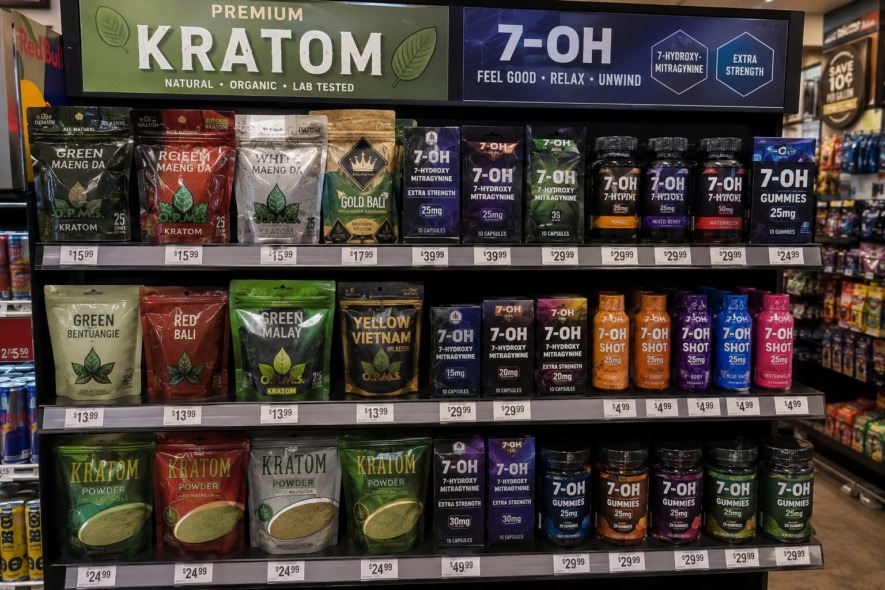
Being that most supplements sold in gas stations aren’t FDA approved, there is a complete lack of quality control on these products. Batches can vary in potency, ingredient lists can be dishonest, and consumers have no way of knowing if what they’re buying is actually the product it says it is.
Youth access
In many locations, drugs sold in gas stations have few age restrictions or regulations. While a youth may not be able to buy alcohol or tobacco, they may be able to access a wide variety of these dangerous gas station heroin products. All legally. Doing drugs and getting high is becoming way too easy and way too convenient for these impressionable youngsters.
False labeling
The users of these dangerous substances aren’t all looking for a high. The substances are often labeled as ‘wellness’ or ‘energy boosting’ products, masking their true potency and potential dangerous effects. Many users unwittingly get high on or addicted to opioid-like substances, whether the one they find at the gas station or some other “upgraded” street drug, when it was completely not their intention while initially exploring gas station offerings.
Dangerous drugs sold legally in gas stations
Tianeptine, also known as Zaza, Coaxil, Tianaa
Tianeptine is an antidepressant that also affects opioid receptors at higher doses, which can produce feelings of euphoria and lead to dependence, withdrawal, and addiction. A growing number of poisonings, overdoses, and withdrawal cases have been reported. Tianeptine is the substance most commonly associated with the term gas station heroin.
Although not FDA approved, tianeptine has been sold in the U.S. under brand names such as ZaZa, Tianaa, and Pegasus, often in convenience stores, smoke shops, and online. Several states have scheduled (declared illegal) Tianeptine, but it remains legal at the federal level.
Nitrous oxide- aka Galaxy Gas, Miami magic
Nitrous oxide, commonly referred to as laughing gas, is used for mild anesthesia and as whipping cream propellant. In recent years, nitrous oxide has become popular as a party drug, as it provides a quick, short-lived euphoria.
Sold online, in vape shops, and sometimes in gas stations, nitrous oxide can cause serious health consequences when misused. Repeated use can deplete vitamin B12 levels, leading to nerve damage, spinal cord injuries, and even paralysis. Fatalities have also been reported.
While nitrous oxide is not typically referred to as “gas station heroin,” it is another example of a harmful, intoxicating substance that remains widely and legally available.
Kratom
Kratom is plant whose leaves were used for centuries in Southeast Asia in the way Americans drink coffee. At low doses, it has a stimulating, energizing effect, and at high doses, it has opioid like effects.
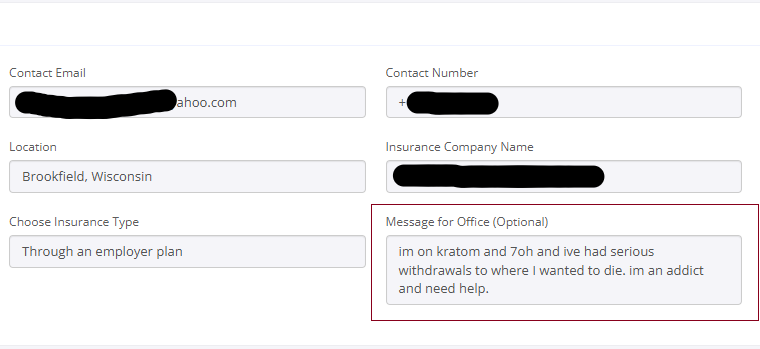
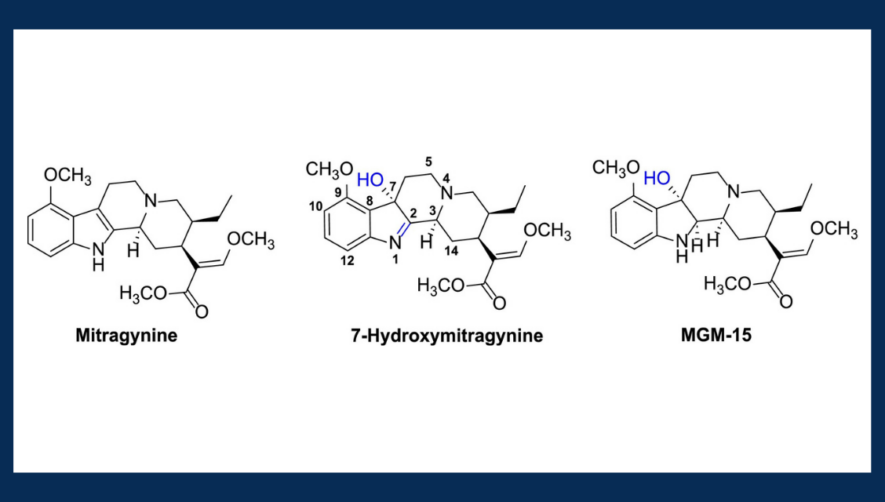
Kratom use is an extremely controversial subject- proponents argue that natural kratom is safe, and it is only concentrated and synthetic forms of kratom, like 7-OH and mgm-15, that are truly harmful. Others argue that even if Kratom can be considered safe at low doses, using doesn’t stop there, and eventually more and more is consumed- leading to stronger Kratom substances, like 7-OH and MGM-15. Additionally, many cite cases where natural kratom was the only substance detected in overdose deaths.
Several states have completely banned Kratom, while others have laws regulating kratom and banning the more potent derivatives. Kratom remains widely available in gas stations and smoke shops across the United States.
7-OH
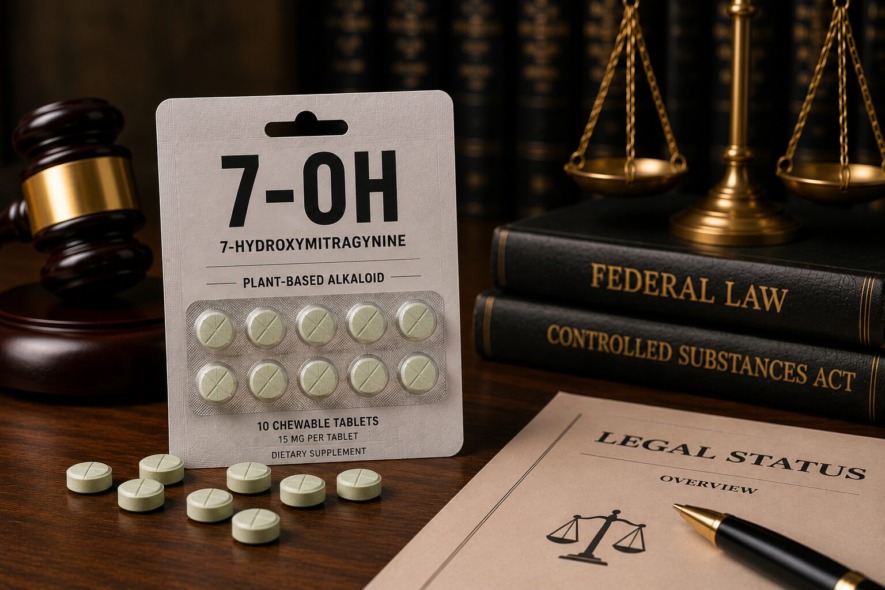
7-OH is relatively recent product widely referred to as gas station heroin. It is a potent kratom derivative that has repeatedly proven itself to have standard opioid properties, be highly addictive, and is showing up all over United States in overdose deaths.
Unlike traditional kratom leaf products, which contain a mixture of naturally occurring alkaloids, 7-OH products are often highly concentrated and specifically formulated around 7-hydroxymitragynine, one of kratom’s most potent active compounds. This concentration produces significantly stronger opioid-like effects than traditional kratom products.
The FDA has recommended that it be scheduled nationally, but as of now it remains legal at the federal level. At the state level, several states have scheduled, or banned 7-OH, while in in many states it remains completely legal and available for purchase, yup, at the gas station.
MGM-15
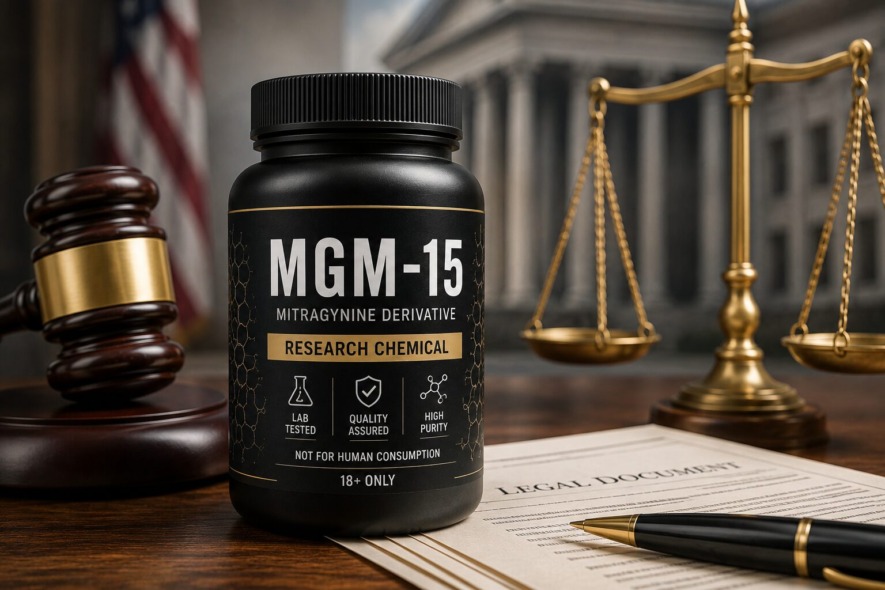
MGM-15 is the latest substance to be sold in the gas stations. It is a synthetic drug modeled after the chemical structure of 7-OH and is marketed as a kratom product. However, it contains no natural kratom at all and has proven itself to be an opioid agonist like other potent opioids.
It is widely used, yet public awareness, scientific research, and regulatory oversight remain limited. Unlike substances such as tianeptine and 7-OH, MGM-15 has received relatively little attention from regulators and public health officials.
This dangerous opioid is being sold online and in gas stations, highlighting how quickly new opioid-like substances can enter the market before consumers and regulators fully understand their risks.


The common thread between all these substances
Not all substances are equally harmful. Some are stimulants, some depressants, and some are more like actual opioids.
What they share is that they are all psychoactive substances, sold legally at the gas station before regulators, researchers, and consumers have any sort of knowledge about the risks of these gas station drugs.
The result is a constantly evolving marketplace of psychoactive substances that can often be purchased more easily than alcohol, tobacco, or prescription medications.
The future of gas station heroin
In order to protect consumers from the dangers of legally available drugs, it is incumbent that some sort of regulatory framework be put into place so that new drugs can be identified and banned as soon as they emerge and are placed on the market. As long as new psychoactive substances can reach store shelves faster than regulators can evaluate them, the phenomenon known as “gas station heroin” is unlikely to disappear.
Are you ready to be given a new chance at health and happiness? Be your true best self? Has going it alone not been working? Perhaps you’re concerned about a loved one and want to support them in obtaining the help they need to get better?
Wellbrook Recovery has extensive experience and expertise assisting individuals with all types of substance abuse struggles. Providing compassionate and cutting-edge, multi-pronged addiction recovery care at our beautiful, upscale facilities.
Our highly regarded, expert team of multi-licensed therapists and specialists will make your success their own and will hold your hand throughout, regardless of where you currently at. We’ve done it hundreds of times, helping individuals and families reclaim their lives, their confidence, and their smiles.
Just reach out.
We’ll walk you through the simple admission process and answer any and all questions.
We understand that addiction affects everyone differently, which is why we offer a range of treatment options designed to meet your individual needs. Our treatment center provides the following programs:
Drug & Alcohol Detox: Detoxification is often the first step in recovery. Our facility provides medically supervised detox to help clients safely manage withdrawal from drugs or alcohol in a supportive environment.
Inpatient Drug Rehab: Inpatient treatment offers a structured environment so clients can focus on recovery free from distractions. It’s ideal for those at the beginning of their recovery journey who need intensive, around-the-clock care to overcome addiction.
Day rehab – Partial Hospitalization Program (PHP): As clients transition from inpatient care to a more independent lifestyle, PHP gives them the support they need as they continue on their road to recovery. By spending much of the day in rehab but the evenings at home, clients reinforce the life and recovery skills they learned during inpatient treatment.
Outpatient Treatment Programs (Day/Evening): For those who need more flexibility, outpatient programs allow clients to continue living at home while attending treatment on a part-time basis.
Wellbrook Recovery believes in treating the whole person, not just the addiction. Our services go beyond detox and inpatient care to ensure a complete recovery process:
- Mental Health Support: Addiction often co-occurs with mental health disorders such as anxiety, depression, trauma and PTSD. Our team of mental health professionals works closely with clients to treat both the addiction and any underlying mental health issues.
- Behavioral Therapy: We utilize proven behavioral therapies such as CBT, DBT, IFS, EMDR, Biofeedback, Music Therapy, Art Therapy, among other advanced therapies to help individuals address the root causes of addiction, develop coping skills, and make lasting changes in their lives.
- Support Groups: Our support groups provide individuals with the opportunity to connect with others who are going through similar struggles. Peer support is an essential part of the recovery journey.
- Family Programs: Addiction impacts not only the individual but also their loved ones. Our family programs educate and support families, helping them to rebuild relationships and provide ongoing support.
- Alumni & Aftercare: We have a network of our close-knit alumni community, with events and support to stay in touch with your recovery and “battle brothers & sisters” from your time in treatment.