What naloxone is
Naloxone is an opioid antagonist used to reverse the effects of an opioid overdose. It binds to opioid receptors and can restore breathing when opioids are suppressing the respiratory system. The CDC emphasizes that naloxone can be lifesaving, but a person still needs emergency medical care after it is given. [1]
Naloxone does not reverse alcohol poisoning, stimulant toxicity, or every cause of unconsciousness. Because illicit drugs may contain unexpected substances, responders should treat any suspected overdose as an emergency and call 911.
Recognizing a possible opioid overdose
Warning signs can include inability to wake the person, slow or stopped breathing, choking or gurgling sounds, limpness, pinpoint pupils, pale or blue-gray skin, or unusual snoring that does not respond to waking. Do not assume someone is sleeping.
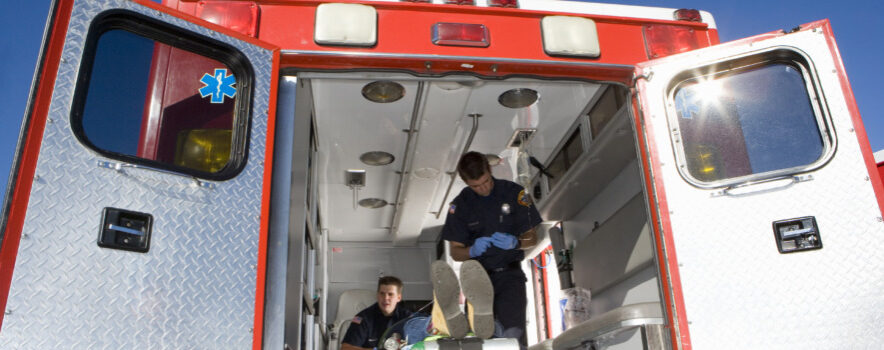
If the person is not breathing normally or cannot be awakened, call 911 immediately. Put the phone on speaker if possible so the dispatcher can guide you. If you have naloxone, use it according to the product instructions. The CDC and FDA provide current instructions for approved products. [1] [2]
What to do while waiting for help
Call 911 first or direct another person to call. Give naloxone if opioid overdose is suspected and it is available. Follow the device instructions, and if the person does not respond, administer additional doses according to the product directions and dispatcher guidance. Provide rescue breathing or CPR if trained and able to do so.
Stay with the person. If breathing returns, place them in the recovery position if appropriate and continue monitoring. Do not let them use more drugs or leave them alone. Naloxone can trigger sudden withdrawal, but withdrawal is not a reason to withhold emergency care.
Why emergency care is still necessary
Naloxone may work for a shorter time than the opioid involved. A person can begin breathing again and then become unresponsive after the medication wears off. Fentanyl and other potent opioids can also require repeated clinical assessment. In addition, an overdose may involve alcohol, benzodiazepines, stimulants, an injury, or another medical emergency that naloxone cannot treat.
After the emergency, the person and family may benefit from a treatment conversation. Wellbrook’s resources on fentanyl withdrawal symptoms and heroin withdrawal can help explain why medically supervised care matters.
Naloxone and ongoing recovery
Naloxone is an emergency medication, not an addiction treatment. After stabilization, a clinician can discuss medications for opioid use disorder, counseling, recovery supports, and an appropriate level of care. Detox may be one stage, but drug and alcohol detox alone does not address every factor involved in opioid use disorder.
If you are ready to discuss treatment, contact Wellbrook admissions. If there is an immediate threat to life, call 911 rather than waiting for an appointment.
Frequently Asked Questions
What does naloxone do?
Naloxone is an opioid antagonist that can temporarily displace opioids from receptors and restore breathing during an opioid overdose.
Should naloxone be given if you are not sure opioids are involved?
If an overdose is suspected and naloxone is available, it is generally safe to give. Call 911 and follow local emergency guidance.
What happens after naloxone works?
The person still needs emergency medical evaluation because naloxone can wear off before the opioid does, and other substances or medical problems may also be involved.
References
[1] CDC Naloxone: https://www.cdc.gov/stop-overdose/naloxone/index.html
[2] FDA Naloxone: https://www.fda.gov/drugs/postmarket-drug-safety-information-patients-and-providers/naloxone-accessible-over-counter-narcan-naloxone-hydrochloride-nasal-spray