Cross addiction happens when someone moves from one addiction to another, sometimes without even realizing it. Maybe you quit drinking but suddenly find yourself relying on food, shopping, or endless scrolling to cope. It’s not that you failed to give up the problematic substance; it’s that your brain is still searching for that same sense of relief or escape.
At its core, cross addiction isn’t just about switching substances; it’s about chasing the feeling that the first addiction gave you. At Wellbrook Recovery, we understand that proper recovery isn’t just about quitting one thing; it’s about healing what lies beneath.
Table of Contents
Key Takeaways on Cross Addiction
- Cross addiction occurs when a person shifts from one addictive behavior or substance to another, often as a way to cope or fill the void left by the original addiction.
- Common signs of cross addiction include increasing reliance on new substances or behaviors, hiding usage, mood changes, and loss of control, similar to the original addiction.
- Underlying factors such as genetics, trauma, mental health conditions, and reward-seeking brain pathways can make a person vulnerable to multiple addictions.
- Family dynamics can influence cross-addiction; patterns like codependency, enabling behaviors, trauma, or generational substance use can increase risk.
- Quitting multiple addictions requires a holistic approach, often combining professional treatment, behavioral therapy, lifestyle changes, support groups, and long-term relapse-prevention planning.
- Recovery is absolutely possible, and understanding cross-addiction helps individuals and families recognize risks early and seek effective support.
What is Cross Addiction (Transfer Addiction)?
Cross addiction, also known as transfer addiction, occurs when a person recovering from one addiction develops a dependence on another substance or behavior. It happens because the brain’s reward system remains sensitive to stimulation, making it easy to replace one addictive pattern with another, such as switching from alcohol to gambling or drugs.
When you’re in recovery, especially early on, your mind and body are still figuring out how to live without the old coping mechanism. That’s when you’re most vulnerable to picking up something new to fill the void.
It might not even seem like a big deal at first: sometimes it’s extra time at the gym, a little more online shopping, or constantly needing caffeine to “keep going.” But underneath, it’s often the same craving for escape, comfort, or control that the first addiction fed.
What Are The Signs of Cross Addiction?
You may be dealing with cross addiction if you notice things like:
- Replacing one habit with another right after stopping the first
- Feeling a similar “rush” or emotional high from your new habit
- Using something “healthier” (like exercise, work, or food) but in extreme ways
- Rationalizing your behavior, for example, telling yourself, “At least it’s not my old addiction.”
It’s natural to want to fill the empty space left by recovery. But recognizing those patterns is the first step toward real, lasting freedom, not just from one addiction, but from the cycle itself.
Why Does Cross Addiction Happen Early in Recovery?
Cross addiction often happens early in recovery because your body and mind are still adjusting. The brain is wired to seek reward and relief; therefore, when one source of relief is depleted, it naturally looks for another. The emotional ups and downs of recovery, such as stress, boredom, and loneliness, can make the temptation to find a quick fix even stronger.
That doesn’t mean you’re failing. It means you’re human. Cross addiction is common. The key is noticing those patterns early and being gentle with yourself as you build healthier ways to cope.
Using Drugs as an Escape
For so many people, addiction isn’t really about the drug. Substances can become a way to quiet pain that feels too difficult to carry. When you’ve lived through trauma, whether it’s something big and obvious or something quiet and ongoing, it can leave wounds that fester. Drugs, alcohol, or any addictive behavior can start out feeling like relief. They numb thoughts, soften memories, or make the world feel bearable for a while.
However, quitting a substance doesn’t erase the reason it was there in the first place. The pain, the memories, the need to escape, don’t just vanish because you’ve stopped using. That’s why cross addiction can sneak in. When one escape route closes, the mind looks for another way out of the same storm.
Real healing isn’t just about saying no to a substance; it’s about learning to sit with the feelings that used to send you running. It’s about slowly building safety inside yourself, finding new ways to soothe what hurts, and realizing that you don’t have to keep escaping your own life to survive it.
Cross Addicted Family
Addiction doesn’t usually happen in isolation; it often runs through families, sometimes hidden, sometimes painfully out in the open. When you grow up around addiction, it shapes how you understand love, safety, and coping. You might not even realize it at first, but the patterns you witnessed, numbing pain, avoiding feelings, chasing relief, can become part of how you deal with life, too.
In many families, addiction becomes the unspoken language. Turning to substances can become a way to cope, a learned response to pain, passed down like an invisible inheritance.
That’s why breaking free can feel so hard. It’s not just about putting down the drug or the drink; it’s about unlearning years of family patterns and rewriting what “normal” looks like. But it is possible. Healing from addiction can become the moment the cycle starts to change, for you, and maybe even for the generations that come after you.
Common Cross Addictions
Cross addiction can show up in ways we don’t always expect. It’s not just switching from one substance to another; it can be any habit that fills the same emotional gap. Below are some common cross addiction examples.
Drugs and Alcohol
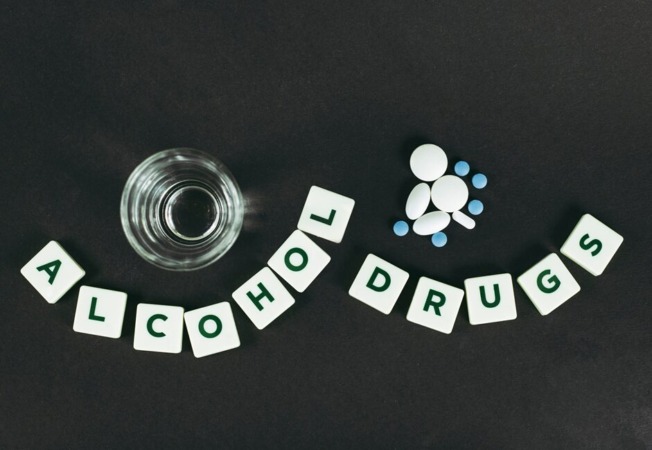
This is one of the most common forms of cross addiction. Someone who’s stopped using drugs might start drinking more, or vice versa. It feels like a different habit, but it’s often the same attempt to escape pain, stress, or a sense of emptiness. Maybe it’s reaching for a drink after a long day because it feels “social,” or using prescription pills more often than needed to take the edge off. It might seem harmless at first, but it’s really about finding a way to numb something that hurts.
Food and Sugar
After quitting substances, the body and brain crave comfort, and food is a comfortable addiction replacement. Sugar, in particular, activates the same reward pathways as drugs and alcohol, offering a quick emotional fix that doesn’t last. Think late-night snacking when you’re not really hungry, or rewarding yourself with sweets whenever you feel anxious or lonely. It’s not about willpower, it’s about how your body remembers the rush of relief and tries to recreate it.

Work and Success
Not all addictions look destructive on the surface. Some people pour themselves into work or achievement to stay distracted. The drive for productivity can become another escape, keeping pain buried under a sense of control or accomplishment. It might present as being the last one at the office each day, or feeling restless and guilty on days off, because slowing down brings uncomfortable thoughts to the surface.
Relationships and Love
Love and connection are powerful, but when they become ways to fill emotional voids, they can turn into another form of dependency. Constantly needing validation or fearing abandonment can mirror the highs and lows of substance addiction. You might find yourself jumping from one relationship to the next, or feeling panicked when you’re alone, because connection, even an unhealthy connection, feels good.
Exercise and “Healthy” Habits
Even positive things, such as working out, dieting, or focusing on wellness, can become unhealthy when they’re used to avoid uncomfortable emotions. What starts as self-care can gradually evolve into an obsession or a form of control. Maybe you feel anxious if you miss a workout, or you’re constantly chasing a stricter routine to feel “good enough.” It’s not about health anymore; it’s about needing something to manage the feelings you’re not ready to face.
Quitting Multiple Addictions At Once
If you’re noticing that more than one addiction is showing up in your life, it can feel heavy, like every time you get an addiction under control, something else takes its place. That doesn’t mean you’re broken. It means you’ve been trying to survive the best way you knew how.
Dealing with multiple addictions at once can be incredibly challenging, especially when each one was used to cope with pain, stress, or trauma. You don’t have to face that on your own. Real recovery requires more than just willpower; it needs guidance, structure, and support from individuals who truly understand what you’re going through.
Reach True Healing With Wellbrook Recovery
At Wellbrook Recovery, we help you get to the root of addiction, not just one substance or behavior, but the deeper patterns beneath them. Our team walks beside you as you rebuild your life with care, compassion, and a plan that actually works for you. We employ a wide range of different therapy modalities, including art and music therapy, yoga, CBT, DBT, EMDR, trauma therapy, and family therapy, amongst others.
If you’re ready to take that next step, reach out to Wellbrook Recovery today. Healing doesn’t have to be something you do alone. Let’s start this journey together.
FAQs on Cross Addiction
What is transfer addiction?
Transfer addiction occurs when a person replaces one addictive behavior with another after ending the original addiction. Transfer addiction develops because the brain seeks the same dopamine reward, which causes the new behavior to mimic the intensity, frequency, and function of the previous addiction.
How to prevent a cross addiction?
Prevent a cross addiction by identifying your high-risk triggers, building a structured daily routine, and using evidence-based support systems such as therapy, peer groups, and accountability check-ins. Preventing a cross addiction requires consistent monitoring of mood, stress, and behavior changes that signal relapse substitution.
What is an example of a cross addiction?
An example of a cross addiction is when a person in recovery from alcohol misuse begins compulsive gambling. The new addiction replaces the original dopamine reward pattern, and the behavior escalates with similar intensity, frequency, and loss of control seen in the initial substance addiction.