It’s one of the most important and pressing questions for anyone struggling with addiction or watching a loved one struggle: Does drug rehab really work? When searching for a way out of substance use disorder, you need reassurance that the time, effort, and investment will lead to lasting change.
At Wellbrook Recovery, we know the truth lies beyond simple metrics. It’s found in the quality of care and the science of long-term recovery. We build our programs on evidence-based practices, guiding clients towards sustained health and sobriety.
Table of Contents
Key Takeaways: Does Drug Rehab Really Work?
- Rehab programs that treat the whole person, focusing on mind and body, create lasting change, not just temporary sobriety.
- The most effective rehab plans are tailored to each individual’s unique history, substance use patterns, and goals for recovery.
- Evidence-based therapies, medical detox, and ongoing behavioral support help rewire the brain’s response to addiction and build healthy coping habits.
- Family involvement, peer support, and a strong community network significantly improve long-term outcomes.
- Relapse is not failure. It’s often a natural part of the recovery process, a sign that more support or adjustment is needed, not that treatment has failed.
- When rehab seems “unsuccessful,” it’s often because the program wasn’t long enough, personalized enough, or supported by strong aftercare.
- With professional guidance, compassionate support, and a commitment to growth, individuals can rebuild their lives with clarity, health, and purpose.
How Effective Is Rehab for Alcoholism and Drug Addiction?
The data on the effectiveness of substance use disorder treatment is overwhelmingly positive. While critics may focus on high relapse numbers, the clinical consensus treats addiction as a chronic, relapsing disease, much like diabetes or asthma. When viewed through this lens, the rehab success statistics are comparable to those of other chronic conditions.
According to the National Institute on Drug Abuse (NIDA), the relapse rate for substance use disorders is approximately 40% to 60%. This is highly similar to relapse rates for other chronic illnesses, highlighting a crucial point: relapse is part of the disease, not a sign the treatment failed.
More importantly, research demonstrates that specialized treatment significantly changes long-term outcomes. Individuals who receive and remain in treatment achieve meaningful improvements across multiple life domains:
- Sobriety: A significant reduction or elimination of substance use.
- Improved Quality of Life and Health: The vast majority of people in recovery report substantial improvements in overall well-being.
- Reduced Criminal Activity: Addiction treatment is linked to a significant drop in legal issues, contributing to stability in the individual’s life.
The Science Behind Rehab – What Makes Rehab Effective?
Effective treatment is not a one-size-fits-all approach. It’s a structured process designed to heal the brain, change behavior, and rebuild an individual’s life. The success of a program is defined by measurable progress across four critical areas: sobriety, physical and mental health, social/family functioning, and functional stability (employment, housing).
At its core, the science of recovery is built on three essential clinical components:
- Therapy and Counseling: The cornerstone of rehabilitation. Therapies like Cognitive Behavioral Therapy (CBT) and Dialectical Behavioral Therapy (DBT) help clients identify and change destructive thought patterns and behaviors.
- Medication-Assisted Treatment (MAT): For certain addictions, particularly alcohol and opioids, medication helps manage withdrawal, reduce cravings, and normalize brain chemistry, significantly improving the chances of sustained sobriety.
- Support Systems and Continuing Care: Recovery is a lifelong process. Effective treatment transitions seamlessly into robust aftercare plans, ensuring a solid, long-term foundation for life outside the facility.
What Factors Make a Rehab Program Effective?
The measurable success of recovery is linked to the quality and structure of the treatment program itself. Highly effective rehabilitation centers integrate comprehensive care to address the whole person, mind, body, and spirit.
There are a few main characteristics of a successful program. We’ve outlined them below:
The Role of Behavioral Therapies
Behavioral therapies are the engine of change in addiction treatment, providing clients with the tools necessary to sustain sobriety. They have a large influence on a rehab’s success rate. Behavioral therapies can include:
- Cognitive Behavioral Therapy (CBT): Helps clients recognize, avoid, and cope with situations and triggers that lead to drug use.
- Motivational Interviewing (MI): Strengthens a person’s own motivation and commitment to change by exploring and resolving ambivalence.
- Dialectical Behavior Therapy (DBT): Teaches core skills like mindfulness, emotion regulation, and distress tolerance, often used for clients with co-occurring mental health disorders.
Importance of Family and Community Support
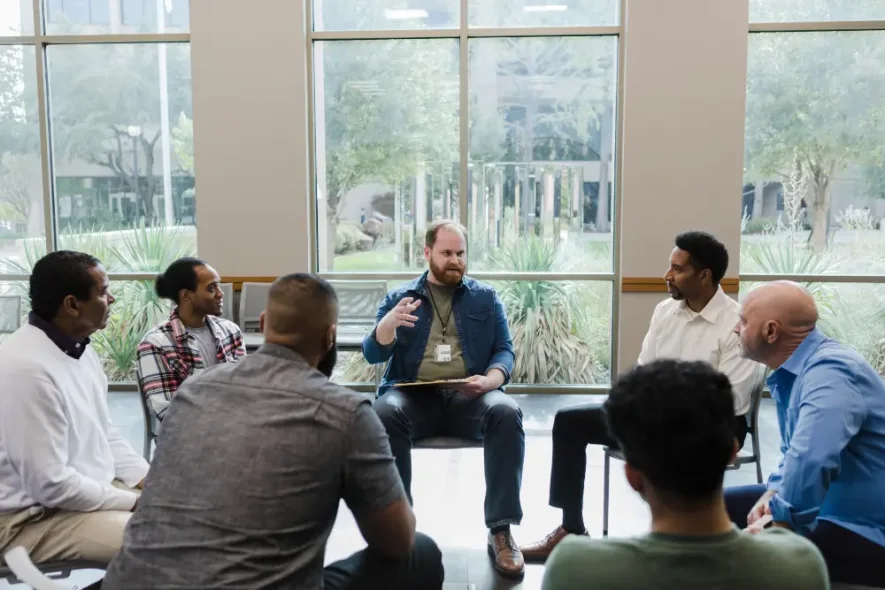
Addiction is often called a family disease because its effects are so pervasive. Successful recovery requires a strong external network.
- Family Involvement: Including family members in therapy sessions is crucial for healing relationships and establishing healthy boundaries.
- Peer Support Groups: Groups like Alcoholics Anonymous (AA) and Narcotics Anonymous (NA) offer continuous community support, mentorship, and a structured framework for ongoing growth.
Why Drug Rehab Doesn’t Always Work
It’s necessary to acknowledge that not every attempt at rehabilitation yields immediate and lasting recovery. The outcomes of treatment are highly dependent on factors beyond the facility itself. Understanding these barriers is essential for increasing the chances of success.
Common factors that prevent positive outcomes include:
- Lack of Motivation or Readiness: Treatment is significantly less effective if the client is not internally motivated to engage fully with the therapeutic process.
- Insufficient Time in Treatment: Leaving treatment prematurely, or receiving care for less than the recommended time across all phases, is the single greatest predictor of relapse.
- Inadequate Post-Treatment Support: Without a strong aftercare plan, individuals are often overwhelmed by daily stressors and triggers.
- Program Mismatches: A generalized treatment plan that fails to address the unique severity of the addiction or ignores co-occurring mental health disorders (dual diagnosis) will likely be ineffective.
Personalization in Treatment Plans
Recognizing these inherent challenges underscores why personalization is the most important element in determining how effective drug rehab is. The question shouldn’t be “does rehab work,” but “does the right rehab work for this individual?”
Personalization involves:
- Comprehensive Diagnosis: Starting with a deep, professional assessment of substance use, physical health, and underlying mental health issues.
- Customized Modalities: Selecting the specific mix of behavioral therapies and medical interventions that will address the client’s individual psychological profile.
- Dynamic Adjustment: Recognizing that a treatment plan is a living document that must be adjusted based on clinical progress and evolving needs.
This level of tailored, responsive care ensures the program aligns with the client’s journey, improving the chances of achieving positive outcomes.
Understanding Relapse: A Normal Part of Recovery
When considering the drug rehab success rate, it is critical to address the concept of relapse. Relapse is common; it’s a symptom of a chronic disease. Emphasizing this fact is key to understanding recovery.
Relapse does not mean the treatment has failed permanently. It can be a sign that the individual needs to re-engage with support systems or that their treatment plan needs a different approach. For example, knowing how effective rehab is for alcoholism means understanding that a person may need multiple attempts or adjustments to achieve lasting sobriety.
Taking Steps Toward Healing With Wellbrook Recovery
The answer to the question, “Does rehab work?” is yes, it absolutely does, provided the treatment is comprehensive, evidence-based, and highly individualized. The science of recovery consistently confirms that professional intervention is the most effective path to healing a chronic substance use disorder.
While recovery is a personal journey that may involve setbacks and require multiple attempts, each step taken in a supportive, therapeutic environment builds resilience and increases the probability of long-term success. If you’re wondering if drug rehab really works, the millions of people living in recovery today offer the strongest possible answer.
If you or your loved one is ready to begin the healing process, contact Wellbrook Recovery today to speak with an admissions specialist and learn how our programs can guide you toward health and stability.
FAQ’s on Whether Drug Rehab Really Works
What should I look for in a rehab facility?
When choosing a rehab facility, look for accredited programs with licensed medical staff, personalized treatment plans, and evidence-based therapies. Evaluate success rates, aftercare options, and family involvement. Facilities that offer dual-diagnosis treatment and 24-hour support provide better long-term recovery outcomes.
Does inpatient drug rehab work?
Inpatient drug rehab works effectively for individuals with severe addiction or unstable living conditions. Success rates average 50 – 70%, depending on treatment length, program quality, and post-rehab support. Structured therapy, medical supervision, and 24-hour care increase long-term sobriety outcomes.
Does outpatient drug rehab work?
Outpatient drug rehab works effectively for individuals with strong support systems and mild to moderate addiction. Success rates range from 35 – 60%, depending on program quality and patient commitment. Consistent therapy, medication management, and peer support improve long-term recovery outcomes.
What happens after completing rehab?
After completing rehab, individuals transition into aftercare programs that support long-term recovery. These include outpatient counseling, 12-step meetings, sober living environments, and relapse prevention therapy. Continuous participation in these programs strengthens sobriety and reduces the risk of relapse.
What is the success rate of drug rehab centers?
The success rate of drug rehab centers varies by program type and patient commitment. On average, 40–60% of individuals maintain sobriety after treatment, similar to recovery rates for other chronic diseases. Success improves with long-term care, counseling, and support networks after discharge.