Are Happy Pills Really Worth the Price?
When life gets tough and happiness seems elusive, it’s tempting to turn to drugs that promise to make you feel better. But is it really worth the risks? Here are some drugs that are known to have mood-boosting effects.
Types of Drugs That Make You Happy
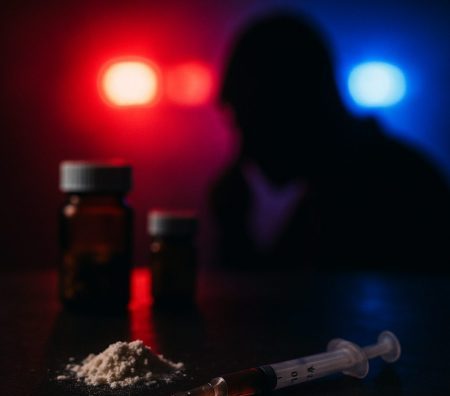
While MDMA and ketamine are known to have mood-boosting effects, other drugs like cocaine, amphetamines, and opioids can also produce feelings of euphoria and pleasure. However, these drugs can be highly addictive and have serious negative effects on the body, including heart problems, respiratory failure, and even death.
Moreover, they can cause long-term damage to the brain, resulting in memory problems, mood disorders, and other mental health issues. It’s important to remember that no drug is worth the risks, and seeking professional help is always the best option for achieving long-term happiness and well-being. So, be aware of the drugs that have mood-boosting effects and stay safe.
MDMA (Ecstasy)
MDMA, also known as Ecstasy or Molly, is a synthetic drug that alters mood and perception. Originally developed as a therapeutic aid in the 1970s, MDMA has since become a popular recreational drug due to its ability to produce intense feelings of euphoria, empathy, and heightened sensory perception.
When taken, MDMA increases the levels of serotonin, a neurotransmitter that regulates mood, in the brain. This leads to feelings of happiness, love, and emotional openness. Users may also experience a heightened sense of touch, taste, and smell.
However, MDMA can have negative effects on the body. It can lead to dehydration, overheating, and a dangerous increase in body temperature. Other common side effects include muscle tension, teeth clenching, nausea, and blurred vision. Long-term use can cause lasting damage to the brain’s serotonin system and result in depression, anxiety, and memory problems.
The effects of MDMA can vary depending on the dose taken and the individual’s body chemistry. Some of the short-term effects of MDMA include:
- Euphoria
- Increased sociability
- Heightened sensory perception
- Emotional openness
- Increased energy
- Reduced anxiety
However, some of the negative effects of MDMA include:
- Dehydration
- Overheating
- Teeth clenching
- Muscle tension
- Nausea
- Blurred vision
It’s important to note that MDMA is illegal in most countries and can be dangerous when used recreationally. If you or someone you know is struggling with addiction to MDMA or any other drug, seek professional help immediately.
Ketamine
Ketamine is a dissociative anesthetic that is used in both humans and animals. It works by blocking the NMDA receptors in the brain, which can have a mood-elevating effect. In recent years, ketamine has gained attention as a potential treatment for depression, particularly in cases where other treatments have failed.
When used as a medication, ketamine is typically given through an intravenous (IV) infusion or injection. The effects of ketamine can be felt within minutes and typically last for several hours. During this time, users may experience a range of physical and psychological effects.
However, ketamine also has negative effects on the body. It can cause hallucinations, delusions, and disorientation. In some cases, it can also lead to bladder problems, such as inflammation and damage to the lining of the bladder.
The effects of ketamine can vary depending on the dosage taken and the individual’s body chemistry. Some of the short-term effects of ketamine include:
- Euphoria
- Relaxation
- Pain relief
- Sensory distortions
- Dissociation
- Altered perception of time and space
However, some of the negative effects of ketamine include:
- Hallucinations
- Delusions
- Disorientation
- Bladder problems
- Nausea
- Increased heart rate and blood pressure
It’s important to note that ketamine should only be used under the supervision of a medical professional and for approved medical purposes. Recreational use of ketamine is illegal and can be dangerous. If you or someone you know is struggling with addiction to ketamine or any other drug, seek professional help immediately.
Cannabis
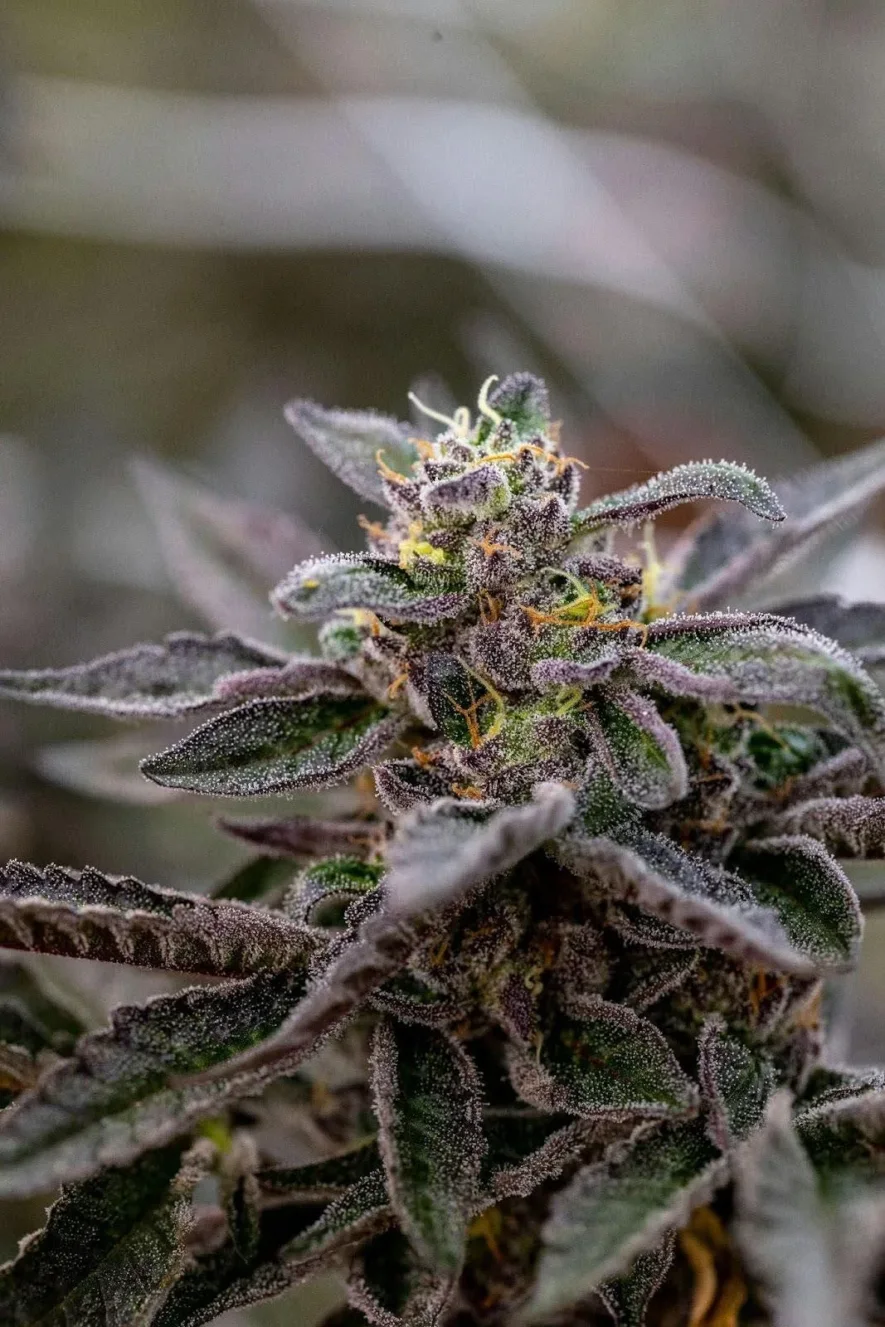
Cannabis, also known as marijuana or weed, is a widely used drug that comes from the cannabis plant. It is used for both medical and recreational purposes. When used, cannabis can produce a range of physical and psychological effects.
Cannabis works by activating the brain’s endocannabinoid system, which regulates mood, appetite, pain, and other bodily functions. The main psychoactive ingredient in cannabis is delta-9-tetrahydrocannabinol (THC), which binds to cannabinoid receptors in the brain and produces feelings of relaxation, happiness, and euphoria.
However, cannabis can have negative effects on the body. It can impair memory and judgment, and may increase the risk of psychosis in some people. Long-term use can also lead to respiratory problems, such as bronchitis and lung infections.
The effects of cannabis can vary depending on the dosage taken and the individual’s body chemistry. Some of the short-term effects of cannabis include:
- Euphoria
- Relaxation
- Increased appetite
- Altered sensory perception
- Reduced anxiety
- Pain relief
However, some of the negative effects of cannabis include:
- Impaired memory and judgment
- Increased heart rate
- Dry mouth
- Bloodshot eyes
- Respiratory problems
- Increased risk of psychosis in some individuals
It’s important to note that cannabis is illegal in many countries and should only be used under the supervision of a medical professional if it is being used for medical purposes. Recreational use of cannabis can be dangerous and may result in addiction or other negative consequences. If you or someone you know is struggling with addiction to cannabis or any other drug, seek professional help immediately.
Psilocybin (Magic Mushrooms)

Psilocybin is a naturally occurring hallucinogenic substance found in certain types of mushrooms, commonly known as magic mushrooms. It has been used for centuries in spiritual and religious ceremonies and has gained attention in recent years for its potential therapeutic benefits.
When consumed, psilocybin can produce profound changes in perception, mood, and cognition. It works by binding to serotonin receptors in the brain, which can alter the functioning of neural circuits and lead to altered states of consciousness.
Some studies have suggested that psilocybin may have therapeutic benefits for treating depression, anxiety, and addiction. It has also been studied as a tool for improving creativity and enhancing spirituality. However, further research is needed to fully understand the therapeutic potential of psilocybin.
Despite its potential therapeutic benefits, psilocybin can also have negative effects on the body. It can cause intense and unpredictable experiences, such as hallucinations, altered sensory perception, and distorted thinking. In some cases, it may trigger psychological distress or exacerbate pre-existing mental health conditions.
The effects of psilocybin can vary depending on the dosage taken and the individual’s body chemistry. Some of the short-term effects of psilocybin include:
- Altered sensory perception
- Hallucinations
- Euphoria
- Reduced anxiety
- Increased creativity
However, some of the negative effects of psilocybin include:
- Psychological distress
- Paranoia
- Anxiety
- Nausea
- Rapid heart rate
It’s important to note that psilocybin is illegal in most countries and should only be used under the supervision of a medical professional if it is being used for medical purposes. Recreational use of psilocybin can be dangerous and may result in addiction or other negative consequences. If you or someone you know is struggling with addiction to psilocybin or any other drug, seek professional help immediately.
While these drugs may offer temporary relief from negative emotions, they can also have serious risks and long-term consequences. MDMA, for example, has been linked to cognitive deficits and memory problems, while ketamine can be addictive and may cause bladder damage with chronic use. Cannabis can also lead to addiction and withdrawal symptoms, and may have negative effects on brain development in adolescents. Psilocybin, meanwhile, can be psychologically intense and may trigger anxiety, paranoia, or other adverse reactions.
The Potential Long-Term Effects on Mental Health
While mood-boosting drugs may offer temporary relief from negative emotions, they can also have serious long-term consequences on mental health.
Examples of long-term effects
- MDMA: has been linked to cognitive deficits and memory problems, which may persist even after discontinuing use.
- Chronic use of ketamine: has been associated with the development of addiction and increased risk of psychosis.
- Cannabis use during adolescence: has been shown to negatively impact brain development and increase the risk of developing psychiatric disorders later in life.
Moreover, using these drugs as a coping mechanism can lead to a cycle of addiction and dependence.
Over time, users may develop tolerance to the effects of the drug and require higher doses to achieve the desired effect. This can lead to increased risks of overdose or other negative health outcomes.
It’s also important to note that many mood-boosting drugs are illegal and unregulated.
This means that users cannot be sure of what they are taking or how potent it is. Substances sold as MDMA or ketamine on the street may be adulterated with other harmful substances, increasing the risk of negative health outcomes.
In conclusion, while mood-boosting drugs may seem like a quick fix for negative emotions, they come with serious risks and potential long-term effects on mental health.
It’s important to seek professional help if struggling with depression or anxiety rather than turning to illicit substances for relief.
Drug Addiction: Development and Signs
Drug addiction can develop over time as a result of repeated drug use. When someone uses drugs, the brain’s reward system is activated, leading to feelings of pleasure and satisfaction. Over time, the brain may become dependent on these feelings, leading to cravings and compulsive drug-seeking behaviors.
Some of the signs that someone may be struggling with drug addiction include:
- Increased tolerance to the drug
- Withdrawal symptoms when not using the drug
- Spending a lot of time using or obtaining drugs
- Neglecting responsibilities at work, school, or home
- Continuing to use drugs despite negative consequences
- Loss of interest in activities once enjoyed
- Changes in mood or behavior
If you or someone you know is exhibiting these signs, it may be an indication that professional help is needed. Addiction is a complex condition that requires individualized treatment and support. Seeking help early can improve the chances of successful recovery and reduce the risk of long-term negative consequences.
The Impact of Drug Use on Social and Professional Relationships
Drug use can have a significant impact on social and professional relationships. When someone is struggling with addiction, they may prioritize drug use over spending time with loved ones or fulfilling responsibilities at work or school.
This can lead to strained relationships and negative consequences. For example, someone who frequently misses work due to drug use may be at risk of losing their job or damaging their professional reputation. Someone who neglects their family or friends in favor of drug use may damage those relationships irreparably.
Moreover, drug use can also lead to legal problems that can further strain social and professional relationships. For example, someone who is arrested for drug possession may face legal consequences that impact their ability to maintain employment or housing.
It’s important to seek professional help if struggling with addiction not only for personal health but also for the sake of maintaining healthy social and professional relationships. Recovery from addiction is possible with the right support and resources.
Recognizing Substance Abuse in Others
Substance abuse is a serious issue that can have negative consequences on physical and mental health. It’s important to be aware of the signs of substance abuse in others so that you can offer support and resources if needed.
Some of the signs that someone may be struggling with substance abuse include:
- Changes in behavior or mood
- Neglecting responsibilities at work, school, or home
- Financial problems or borrowing money frequently
- Increased secrecy or dishonesty
- Changes in appearance or hygiene
- Physical symptoms, such as bloodshot eyes or tremors
It’s important to approach the individual with compassion and empathy when discussing concerns about their substance use. Avoid being judgmental or confrontational, as this may cause them to become defensive and less likely to seek help.
Offering support and resources, such as information about local treatment centers or therapy options, can help individuals struggling with substance abuse take steps towards recovery. It’s also important to take care of yourself when supporting someone with substance abuse issues by seeking out your own support network and setting healthy boundaries.
Alternative Methods for Treating Depression and Anxiety
While mood-boosting drugs may seem like a quick fix for depression and anxiety, there are alternative methods that can be just as effective without the risks associated with drug use.
Psychotherapy
One alternative method is psychotherapy, also known as talk therapy. This involves working with a trained therapist to identify and address the underlying causes of depression and anxiety. Through therapy, individuals can learn coping mechanisms and develop strategies for managing negative emotions.
Exercise
Another alternative method is exercise. Regular physical activity has been shown to improve mood and reduce symptoms of depression and anxiety. Exercise releases endorphins, which are natural chemicals in the body that promote feelings of happiness and well-being.
Meditation and Mindfulness
Meditation and mindfulness practices can also be effective in reducing symptoms of depression and anxiety. These practices involve focusing on the present moment and developing awareness of thoughts and emotions without judgment.
Lifestyle Changes
In addition, making lifestyle changes such as improving sleep habits, eating a healthy diet, and avoiding alcohol or substance use can also have a positive impact on mental health.
It’s important to note that these methods may not work for everyone, and it’s important to seek professional help when needed. However, exploring alternative methods for treating depression and anxiety can provide individuals with additional tools for managing their mental health.
Read about: Struggling with Depression and Anxiety
The Role of Mental Health Professionals in Treating Depression and Anxiety
Mental health professionals, including therapists, psychologists, and psychiatrists, play a crucial role in helping individuals struggling with depression, anxiety, and other mental health conditions.
These professionals are trained to provide evidence-based treatments that are tailored to each individual’s unique needs. They can help individuals identify and address the underlying causes of their symptoms and develop coping mechanisms for managing negative emotions.
Therapy is one common treatment option for depression and anxiety. Through therapy, individuals can work with a trained professional to explore their thoughts and emotions in a safe and supportive environment. Therapists can provide guidance on developing healthy coping mechanisms, improving communication skills, and building resilience.
Psychiatrists may also be involved in treating depression and anxiety. These professionals are medical doctors who specialize in mental health. They can prescribe medication when appropriate and monitor individuals for potential side effects or complications.
It’s important to seek out a qualified mental health professional when seeking treatment for depression or anxiety. These conditions are complex and require individualized care from someone who is trained to provide effective treatment. With the right support, individuals can manage their symptoms effectively and improve their overall quality of life.
The Importance of Support Networks for Individuals in Recovery
Recovery from addiction is a challenging journey that requires ongoing support and resources. One of the most crucial components of recovery is having a strong support network.
A support network can include friends, family members, healthcare professionals, and peers who are also in recovery. These individuals can provide emotional support, accountability, and encouragement throughout the recovery process.
Studies have shown that individuals with strong support networks are more likely to maintain long-term sobriety compared to those without such networks. This is because having a support system helps to reduce feelings of isolation and provides access to resources and tools for managing cravings and triggers.
Support groups such as Alcoholics Anonymous (AA) or Narcotics Anonymous (NA) can also be helpful for individuals in recovery. These groups provide a safe and supportive environment where individuals can share their experiences with others who understand what they are going through. They also offer guidance on developing healthy coping mechanisms and strategies for avoiding relapse.
It’s important to build a support network early on in the recovery process. This can involve reaching out to friends or family members for help or attending meetings or therapy sessions to connect with others in recovery.
While building a support network may take time and effort, it is an essential component of successful long-term recovery from addiction.
Conclusion
In conclusion, the use of mood-boosting drugs may seem like a quick fix for negative emotions, but it comes with serious risks and potential long-term effects on mental health. Addiction can develop over time as a result of repeated drug use, leading to strained relationships and negative consequences. However, there are alternative methods for treating depression and anxiety that can be just as effective without the risks associated with drug use.
Seeking help from qualified mental health professionals is crucial in managing these conditions and building a strong support network can help individuals in recovery maintain long-term sobriety. It’s important to prioritize mental health and seek out resources and support when needed to lead a fulfilling and healthy life.
Sources
- https://www.drugabuse.gov/publications/drugfacts/mdma-ecstasymolly
- https://www.ncbi.nlm.nih.gov/pmc/articles/PMC4910391/
- https://www.drugabuse.gov/publications/research-reports/marijuana/what-are-marijuana-effects
- https://www.psychologytoday.com/us/conditions/substance-use
- https://www.samhsa.gov/find-help/national-helpline