Kratom has been appearing all over the news, and information on it is constantly changing. Is it legal? Is it safe? Is it a drug? Here’s the most up to date information on kratoms’ history, safety, uses, and legal status state by state, as of December 2025.
Table of Contents
- What is Kratom?
- Kratom in the USA
- Why are people using kratom?
- What are the effects of Kratom?
- Where is kratom sold?
- The legal controversy surrounding kratom use
- What’s the difference between kratom and 7-OH?
- Is there evidence that kratom is harmful?
- Kratom in 2025: The future of kratom in the US
- Is Kratom legal in the United States?
- If you’re using kratom, beware:
- Concerned about your kratom use? Get help
- FAQs about kratom
What is Kratom?
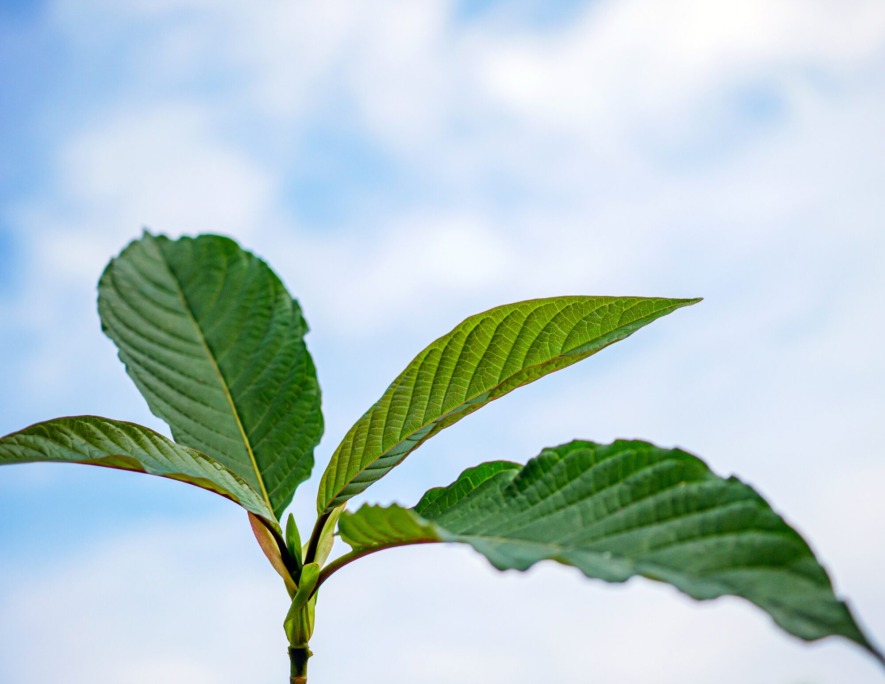
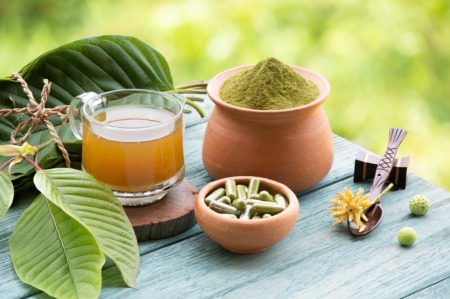
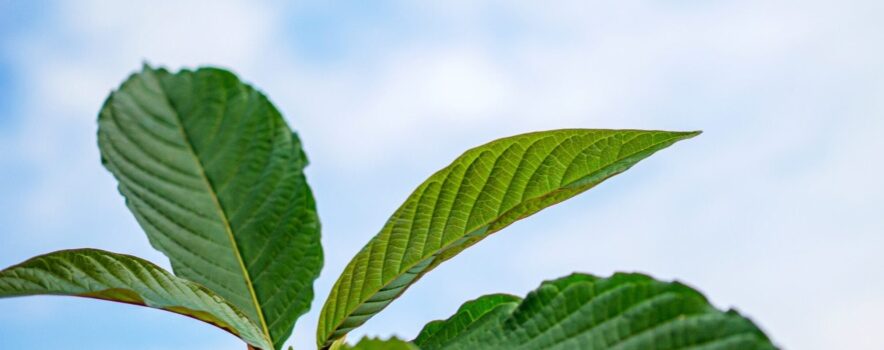
Kratom leaves come from the Mitragyna speciosa tree, an evergreen tree native to the tropical jungles of Southeast Asia. It has been used there for at least the last century as a traditional medicine.
In its native regions, leaves of the kratom tree are typically consumed as tea or chewed directly, and are purported to induce both stimulant and opioid-like effects. It has been relied upon as a remedy for common ailments, to ward off fatigue from working under the sweltering sun, and as a drink during social interaction among men.
In these countries, Kratom use is akin to drinking coffee, and users, unlike drug or alcohol users, were never looked at as low life drug or alcohol abusers.
Kratom in the USA
Kratom was first introduced in America after the Vietnam War by returning soldiers and those immigrating from Southeast Asia. However, it was not until this past decade and a half that kratom use started to become mainstream. Current data suggests that as many as two to 15 million Americans are using Kratom.
Why are people using kratom?
Many turn to kratom for its purported pain-relieving abilities, to deal with mild mental health issues, or for self-medicating opioid withdrawal symptoms.
Additionally, kratom is an easily obtainable substance, sold in many vape shops, gas stations, and online websites. Its effects are relatively benign as compared to typical opioids and provide many of the benefits that users seek when taking drugs. It is also perceived as being a safer, less addictive substance than opioids.
What are the effects of Kratom?
At low doses, Kratom has a stimulant effect, and much like caffeine, increases energy and focus. A review on a website selling Kratom says “These are the best. Nothing else I’ve tried even comes close. Makes getting through the day with 2 children under 2 a breeze!”
At higher doses, Kratom has an opioid like, sedative effect. Many use it for pain management, to treat anxiety or depression, or to treat symptoms of opioid withdrawal.
A study on PubMed Central suggests that kratom has a relatively benign risk profile compared to typical opioids. Only a minority of respondents reporting kratom-related adverse effects, withdrawal symptoms, or problematic use.
Where is kratom sold?
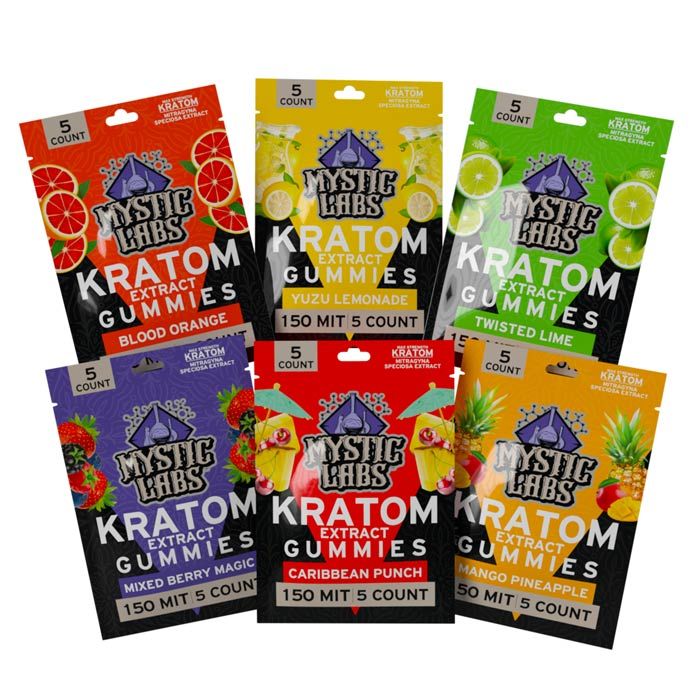
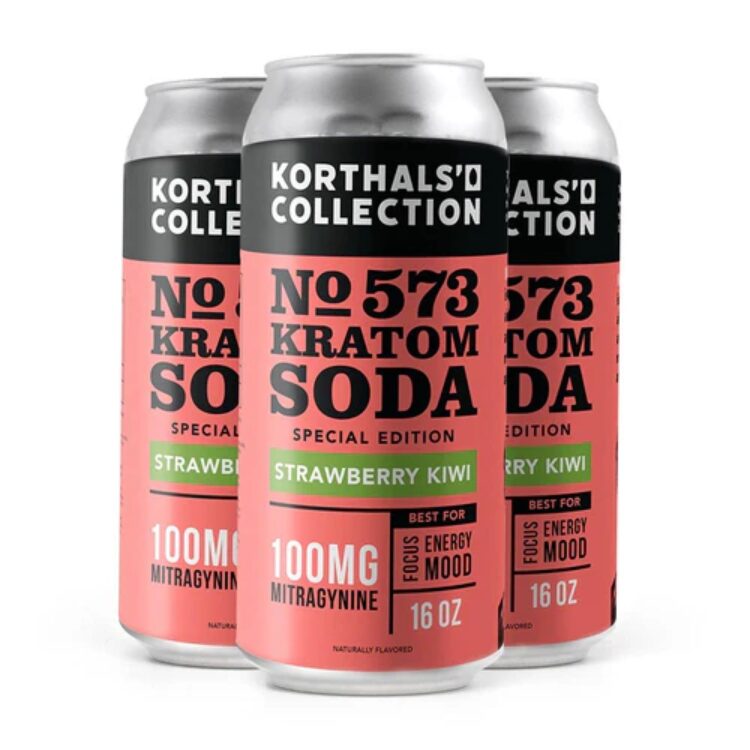
Kratom products are sold in gas stations, online, and at the local vape shop. The product is packaged not just as traditional powder or tablets, but as alluring drink mixes, gummies, or even ice cream cones.
The legal controversy surrounding kratom use
Despite kratoms’ mainstream presence for a relatively short period in the U.S., its use has managed to cause great controversy. Federal regulators and kratom organizations are at odds about the potential dangers (or lack thereof) of kratom use and how kratom should be regulated.
DEA attempts to schedule kratom
In 2016, the DEA made a move to schedule kratom. “Placing a drug into Schedule I means that in the DEA’s view, the drug has “no currently accepted medical use and a high potential for abuse.” They made this decision based on findings that kratom has addictive, opioid-like qualities, no accepted medical use, and a lack of safety under medical supervision.
The agency also pointed to hundreds of poison control calls, reports of toxicity such as seizures, psychosis, and liver damage, and roughly 30 deaths linked to kratom at that time since 2009. Another issue was the wide variation in product potency and contamination with synthetic drugs, which made its effects unpredictable and dangerous.
The fight to keep kratom legal in the US
The move to ban Kratom created an outcry from many in the public. 50 congressmen joined to sign a bi-partisan letter to block the move. A petition sent to the White House had over 100,000 signatures. Many calls were made to Congress, and a demonstration took place outside the White House.
DEA withdraws its decision to schedule kratom
In the end, the DEA withdrew its decision to schedule kratom due to “numerous comments from the public,” including “comments offering their opinions regarding the pharmacological effects of these substances.” The DEA said it needs to “consider these statements and to provide an opportunity to receive further comments”.
Ultimately, kratom was never scheduled or banned.
FDA recommends scheduling just kratoms’ most potent element: 7-OH
After the move to schedule kratom fell through, health officials are now making an important distinction. Instead of banning kratom and 7-OH, the FDA is pushing to have just 7-OH, the synthetic, more potent form of kratom, scheduled. They recommend regulating kratom sales, while making 7-OH completely illegal.
What’s the difference between kratom and 7-OH?
While 7-OH is a derivative of kratom leaf, and is often confused with natural kratom, it’s a completely different product. While kratom safety is a highly debatable subject, with passionate voices on both sides, 7-OH has quickly proven itself to be a dangerous, addictive substance.
By isolating one of the key active compounds responsible for kratom’s opioid-like effects- the alkaloid 7‑Hydroxymitragynine, commonly known as 7‑OH, you get a product up to five hundred times stronger than kratom in its natural form. Instead of the mild opioid-like effects that kratom gives you, you get concentrated opioid-like effects. (in other words, standard opioid effects)
Professor Kirsten E. Smith, a lead researcher on kratom, writes; “Apart from toxicity risks from acute exposure, chronic 7-hydroxymitragynine product use could result in opioid-like physical dependence and possibly addiction. Scale and severity may be distinct from kratom leaf-based and extract products, which have not produced widespread severe addiction, but rather mild–moderate physical dependence”
Is there evidence that kratom is harmful?
Adding to the confusion about kratom and its risks or benefits, there is a lack of scientific data on the subject. Most reports of its dangers, addictive qualities, and benefits are completely anecdotal and based solely on user evidence.
In Wisconsin, where many would like to see kratom legalized, legislators hesitate to legalize a substance that has little or no data on its risks or benefits.
Additionally, the lack of data means a lack of kratom-specific treatments. Smith adds “One reason for the lack of kratom-specific treatments is the lack of published case reports on kratom and 7-OH”
Kratom in 2025: The future of kratom in the US
With the first attempt to ban, or schedule kratom, unsuccessful, legislation is now pivoting to regulating, as opposed to banning, kratom leaf. The FDA in 2025 recommended that the DEA ban just 7-OH, the potent derivative of kratom leaf, and keep kratom products legal but strictly regulated.
Regulating kratom usually translates into age restrictions, product standards, labeling requirements, and restrictions on high concentrations.
Some states, such as Florida, have already adopted such an approach, and others, like Ohio, are arguing it out. States with complete kratom bans in place, such as Wisconsin, are fighting to legalize kratom and ban only 7-OH.
Is Kratom legal in the United States?
It depends where. Although nationally, kratom is not a controlled substance (which would make it illegal), several US states and districts have banned it, others have regulations in place, and others have pending legislation.
States where all kratom is banned as of 2025
Arkansas, Indiana, Rhode Island, Vermont, Wisconsin, Alabama, Louisiana, Washington, D.C.
States with some kratom regulation as of 2025
Other states opted for regulation through “Kratom Consumer Protection Acts,” which set labeling and purity standards rather than outlawing the plant. These states include
Arizona, Colorado, Florida, Georgia, Kentucky, Maryland, Nevada, Ohio, Oklahoma, Oregon, South Dakota, Texas, Utah, West Virginia
States with pending kratom legislation as of 2025
Hawaii, Montana, New Jersey, New York, North Carolina, Pennsylvania, and South Carolina
States where kratom is legal as of 2025
Alaska, Connecticut, Delaware, Hawaii, Idaho, Iowa, Kansas, Kentucky, Maine, Maryland, Massachusetts, Michigan, Mississippi (outside of Union County, which has a local ban), Missouri, Montana, Nebraska, New Jersey, New Mexico, New York, North Carolina, North Dakota, Pennsylvania, South Carolina, Washington, Wyoming
If you’re using kratom, beware:
- Check with a trusted healthcare provider before adding any supplement to your diet.
- Carefully check product labels to ensure you are not inadvertently taking 7-hydroxymitragynine (7-OH).
- Beware of products labeled as ‘spiked’ or ‘enhanced’ kratom, which may contain unsafe amounts of 7-OH.
Concerned about your kratom use? Get help
If you or someone you love is struggling with kratom use, help is available. Reach out to Wellbrook Recovery, and our caring staff will walk you through your options for detox and recovery.
Recovery is possible. Call us today for compassionate, confidential help.
FAQs about kratom
Does kratom cause withdrawal symptoms?
Some users experience mild to moderate withdrawal symptoms, such as fatigue, anxiety, muscle aches, irritability, and sleep problems.
Is kratom safe?
Research suggests that natural kratom leaf has a relatively benign risk profile compared to typical opioids, though safety data is still limited, and misuse can increase risks.
How is kratom commonly taken?
Kratom is most often consumed as powdered leaf, capsules, brewed tea, or mixed into drinks. It also comes packaged as gummies, ice cream cones, or capsules.
Is kratom legal in the U.S.?
Legality varies by state — some states ban kratom, some regulate it through consumer protection laws, and others allow full legal sales.
What’s the difference between kratom and 7-OH?
Kratom is a natural leaf, while 7-hydroxymitragynine (7-OH) is a concentrated derivative of kratom leaf that is far more potent and carries greater health risks.
Are “spiked” kratom products safe?
Products marketed as “enhanced” or “spiked” may contain added 7-OH, making them significantly stronger and more dangerous than just kratom leaf.
Get help for drug and alcohol use related struggles. As easy and clear as it can get.
Are you ready to be given a new chance at health and happiness? Has going it alone not been working? Perhaps you’re concerned about a loved one and want to support them in obtaining the help they need to get better?
Wellbrook Recovery has extensive experience and expertise assisting individuals with all types of substance abuse struggles. Providing compassionate and cutting-edge, multi-pronged addiction recovery care at our beautiful, upscale facilities.
Our highly regarded, expert team of multi-licensed therapists and specialists will make your success their own and will hold your hand throughout, regardless of where you currently at. We’ve done it hundreds of times, helping individuals and families reclaim their lives, their confidence, and their smiles.
Just reach out.
We’ll walk you through the simple admission process and answer any and all questions.
Let’s get started together
Drug and Alcohol Detox
Residential Inpatient Rehab
Full Day Outpatient Rehab
Intensive Outpatient Rehab
We understand that addiction affects everyone differently, which is why we offer a range of treatment options designed to meet your individual needs. Our treatment center provides the following programs:
- Drug & Alcohol Detox: Detoxification is often the first step in recovery. Our facility provides medically supervised detox to help clients safely manage withdrawal from drugs or alcohol in a supportive environment.
- Inpatient Drug Rehab: Inpatient treatment offers a structured environment so clients can focus on recovery free from distractions. It’s ideal for those at the beginning of their recovery journey who need intensive, around-the-clock care to overcome addiction.
- Day rehab – Partial Hospitalization Program (PHP): As clients transition from inpatient care to a more independent lifestyle, PHP gives them the support they need as they continue on their road to recovery. By spending much of the day in rehab but the evenings at home, clients reinforce the life and recovery skills they learned during inpatient treatment.
- Outpatient Treatment Programs (Day/Evening): For those who need more flexibility, outpatient programs allow clients to continue living at home while attending treatment on a part-time basis.
How we are different
Wisconsin facility
Ohio facility
Long-term connection
At our drug rehab, we incorporate both evidence-based therapies and holistic approaches to ensure that each client receives the most effective care. We specialize in treating substance use disorder, alcohol addiction, and co-occurring mental health issues.
Wellbrook Recovery believes in treating the whole person, not just the addiction. Our services go beyond detox and inpatient care to ensure a complete recovery process:
- Mental Health Support: Addiction often co-occurs with mental health disorders such as anxiety, depression, trauma and PTSD. Our team of mental health professionals works closely with clients to treat both the addiction and any underlying mental health issues.
- Behavioral Therapy: We utilize proven behavioral therapies such as CBT, DBT, IFS, EMDR, Biofeedback, Music Therapy, Art Therapy, among other advanced therapies to help individuals address the root causes of addiction, develop coping skills, and make lasting changes in their lives.
- Support Groups: Our support groups provide individuals with the opportunity to connect with others who are going through similar struggles. Peer support is an essential part of the recovery journey.
- Family Programs: Addiction impacts not only the individual but also their loved ones. Our family programs educate and support families, helping them to rebuild relationships and provide ongoing support.
- Alumni & Aftercare: We have a network of our close-knit alumni community, with events and support to stay in touch with your recovery and “battle brothers & sisters” from your time in treatment.