Understanding and recognizing the signs of addiction to alcohol and drugs is essential to be able to guide a struggling loved one toward recovery. Affecting millions of people worldwide, addiction is a chronic disease that alters the brain’s function. Catching the negative patterns earlier on enables professional intervention and treatment before it can destroy lives. Addiction is a complex, multi-faceted issue that affects both the individual and the people involved, such as friends, family, and society at large.
How can you tell if someone is on drugs?
While various substances may affect a person differently, common signs of addiction include:
- Increased mood
- Personality changes
- Anxiety
- Secrecy
- Energy fluctuations
- Neglect of responsibilities
These affect a person both physically and mentally while creating shifts in their social interactions. Recognizing these symptoms early on can help decrease the physical and mental harm that drug and alcohol abuse can lead to. This topic must be approached with sensitivity and empathy, supporting your loved one throughout the process.
When it comes to teenagers, it’s important to be aware that many of these signs are common, normal teenage behaviors, so extra detective work may be required to confirm an addiction.

Table of Contents
Signs Of Drug Addiction
Recognizing the signs of drug misuse enables you to help your loved one toward successful addiction recovery. While the signs of addiction may differ according to the type of drug used, there are common symptoms that you can look out for. Drug consumption can quickly lead to a developing addiction, so it is important to take action if you notice any of the following substance abuse symptoms:
- Mood and Personality Changes: A person may experience sudden mood changes as the drugs begin to wear off, prompting them to take more. If they show signs of unexplained mood swings or behave differently than usual, this may be an indicator of an addiction.
- Increased Anxiety: A common symptom of withdrawal from most drugs and alcohol is an increase in anxiety, making a person feel jittery and paranoid. They may also experience unexplained fear under the effects of some drugs.
- Secrecy: It is common for someone with an addiction to try to hide it, preferring to spend time alone and sharing little information about their activities. A person may act restless and avoid you while under the influence of drugs.
- Relationship Complications: Because of the physical and mental dependence drugs create, people with an addiction tend to prioritize it over their family and loved ones. This strains the relationships and may cause conflict due to mood changes.
- Interest Changes: A person with an addiction may abandon their usual social groups, hobbies, and relationships, preferring to spend their time on other unhealthy activities.
- Energy Fluctuations: Certain drugs can cause a burst of intense energy that declines as the drug wears off. Other drugs may make a person appear drowsy and spaced out.
- Responsibility Neglect: A person may neglect their responsibilities at work or school as an addiction tends to become their priority. They may fail to show up, forget work, or struggle to focus.
- Financial Struggle: Neglecting responsibilities and using available finances to purchase drugs can cause financial struggles. As a result, addicts may ask family or friends to borrow money.
- Fluctuating Weight: Drugs and alcohol can affect a person’s appetite, making them eat more or less than they usually do. This can cause a person to gain or lose weight in a short amount of time.
- Avoidance and Resent: People who struggle with addiction try to hide their actions from those who will notice and intervene. They typically avoid family and friends, feel like any questions are an attack, and behave resentfully towards them.
- Ignoring Negative Consequences: A person who has an addiction may engage in high-risk or illegal activities despite the consequences. They may also experience mental illnesses, withdrawal symptoms, and blackouts yet continue using the harmful drug.

Physical and Mental Signs Of Addiction
While there are not always physical signs of addiction, substance abuse can often affect a person physically, with noticeable damage to their bodies. These signs and symptoms of addictions will appear even if the person is not under the influence of drugs when you see them. Some of these physical signs of drug abuse and addiction include:
- Eyes: Bloodshot eyes, glassy eyes, or enlarged pupils are often signs that a person is under the influence of drugs. These addiction symptoms are the effect of certain substances where the blood vessels are dilated or the drug has stimulated the nervous system.
- Skin: Marks on their skin may appear from repeated injections. This includes scars, infections, abscesses, and cellulitis developing. Another sign of alcohol addiction is spider angiomas and jaundice caused by the effect of alcohol on the liver. This shows on the skin as dilated blood vessels (angiomas) or a yellow tint (jaundice). Acne caused by alcohol is also common among alcoholics.
- Teeth and gums: Gum diseases and tooth decay are caused when a person neglects their oral hygiene, which often happens with frequent substance use. Drugs such as meth can cause severe tooth decay. Other substances can cause dry mouth or make a person crave sweet foods, which decay the teeth.
- Hair: Hair loss or hair turning gray can also be signs of chronic drug use due to stress. Pulling out hair (trichotillomania) is also a common coping mechanism for high-stress levels.

Mental Signs of Addiction
Drugs and alcohol alter a person’s brain, including their normal reactions, personality, and mental health. These signs may differ from person to person, but common mental signs of addiction include:
- Poor focus: Most substances cloud the mind, making it difficult to focus on work or school and creating a disinterest in previously enjoyable activities.
- Anxiety: Some commonly used drugs can cause anxiety, paranoia, and other mental health problems. These feelings are further heightened as the drugs wear off, and the person experiences withdrawal. This can appear as panic attacks, dizziness, sweating, dry mouth, or aching muscles.
- Hallucinations: Under the influence of some drugs, a person may hallucinate, where they see or hear things that are not really there, finding it difficult to tell the difference between reality and hallucinations. During a hallucination, they may appear panicked, calm, or drowsy.
Environmental Signs Of Substance Abuse
Environmental drug abuse signs can provide important clues that someone is struggling with addiction. You can identify potential substance abuse by paying attention to changes in a person’s surroundings and personal habits. Here are some common environmental signs to be aware of:
- Unusual Smells: Some substances have a strong smell that sticks to a person's clothes and where the drugs were used. Repeated use can be hard to hide, and these smells can be recognized on the person's possessions.
- Drug Paraphernalia: Finding drug paraphernalia such as smoking devices, needles, vapes, or other drug devices is a sign someone is on drugs, and it should be discussed if you are concerned that the drugs may be misused.
- Cover-Up Scents: Certain substances have a strong smell that a person may try to cover up with perfumes, air freshers, or burning candles.

Behaviors To Look Out For
There are various behavioral changes that can signify potential drug misuse that provide insight into the struggle of addiction. Some of these warning signs of drug and alcohol abuse include:
- Changes in Sleep Patterns: Most drugs are stimulants or depressants that make a person feel an intense high followed by an extreme low. This shift can cause a person to experience periods of insomnia and then long periods of drowsiness.
- Significant Change in Energy Levels: Drugs are commonly used to change a person's feelings to increase pleasure or reduce stress levels. Drugs give them that high or calming feeling but have a negative side effect that leaves them feeling low and depressed (even worse than before the drugs).
- Radical Behavior Shift: A person struggling with addiction may behave differently than usual because the drugs affect their brain’s function and alter their personality. They may also experience drastic mood swings as the drug wears off, leaving them feeling agitated and moody towards those around them.
- Acting Secretively: Most people try to hide their drug use and may lie to cover up their actions, appearing sneaky and secretive. They may also spend more time hiding in their car, room, or away from home.
- Lack of self-esteem and motivation: A person may experience depression due to the low feelings caused by the drugs wearing off. This can make them feel negatively about themselves and want to sleep more so as not to experience the low.
- Trouble Staying Focused and Memory Loss: Some drugs affect a person's ability to focus and make them forget or lose interest in their responsibilities.
- Risky behavior: Under the influence of drugs, a person may behave recklessly because their ability to think clearly has been compromised. They may also put themselves in risky situations to gain access to more drugs.
Social Signs Of Drug Addiction
Identifying social signs of drug abuse can help in understanding the extent to which addiction impacts a person’s life. Social interaction and behavioral changes can often provide a clear indicator of substance misuse. Here are some of the common social signs of alcohol addiction and drug abuse to look out for:
- New Social Circle: A person looking for drugs and other substances tends to hang out with people who use the same substance. They will also distance themselves from old friends and loved ones who will notice their habits and intervene.
- Drop in Academic Performance: Someone struggling with addiction tends to neglect their school responsibilities and fail to participate. This is often because their primary focus becomes obtaining and using drugs instead of their academic performance. Drugs can also affect a person's sleep patterns, leaving them feeling tired and unable to work and function optimally.
- Decline in Work Performance: A decline in professional performance in the workspace may be noticed as the drugs affect their ability to focus and diminish their motivation to work. This can be heightened if work-related stress is what causes the substance abuse.
- Unexplained Absences: Driven by the need to get high or to hide their substance usage, a person may miss work or school without giving a substantial reason why. They may make up excuses for their absence or try to hide the fact that they didn't show up.
- Disinterest in Previous Pastimes and Family Activities: Under the influence of certain drugs, a person’s brain can make them more anxious and cause depression, reducing their ability to enjoy previous activities and hobbies that they used to do.
- Legal Problems: Regular drug users may face legal trouble at some point. This may be in cases where they were caught in possession of a drug, selling it, or driving while intoxicated.
- Relationship Problems: It is common for people who struggle with addiction to have difficulty maintaining healthy relationships. This is because drug use typically becomes their priority, and they may behave deceitfully or suspiciously either to get the drug or to use it. This causes others involved to feel mistrust and hurt.
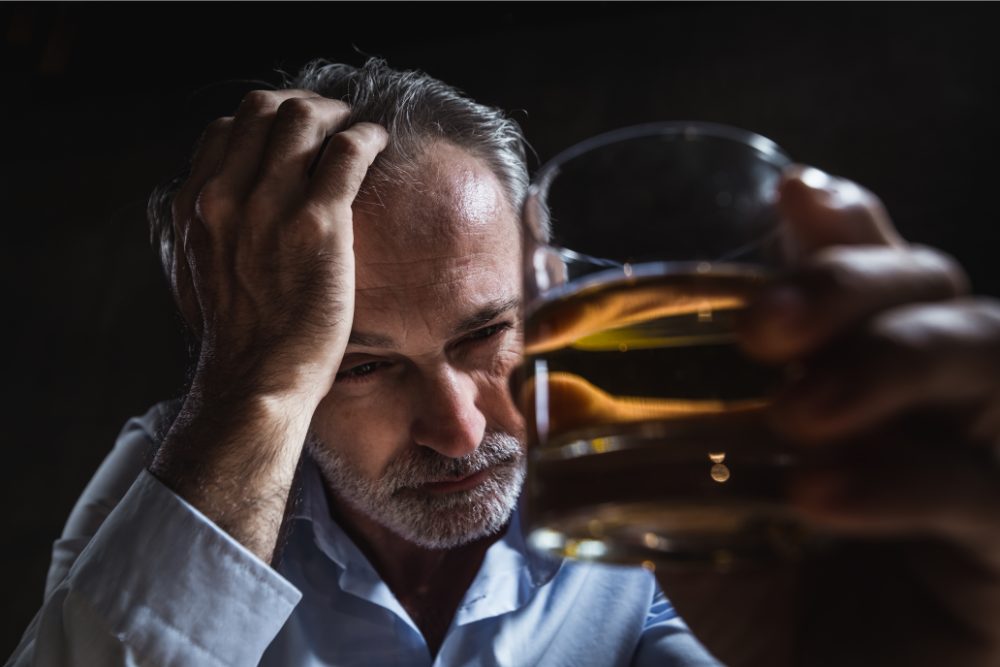
Know the Signs of Addiction
Step one in addressing the complex issue of addiction is to recognize the signs of alcohol addiction or drug misuse. Understanding these addiction symptoms allows us to be better informed to be able to provide timely and effective support to our loved ones struggling with alcohol or drug addictions. Common signs of drug addiction to look out for include an increased tolerance to substances, mood and personality changes, anxiety, and secrecy. Drastic changes in sleeping schedule, energy levels, and the ability to stay focused are also signs of addiction.
Addiction is a topic that needs to be handled with care in a safe and non-judgmental space. A collaborative effort is required from healthcare professionals, family, and friends to effectively and successfully help someone who struggles with addiction. Ultimately, the goal is to help individuals reclaim their lives. As the family or friends involved, we can do our best to stay informed about potential issues and be supportive throughout the recovery process.
If you or a loved one are struggling with the signs of addiction listed above, Wellbrook Recovery are here to support you. Our rehabilitation focuses on healing the physical, emotional, and psychological facets of addiction, utilizing evidence-based treatments and therapies to create lasting recovery. Contact Wellbrook Recovery to start your journey back to health.