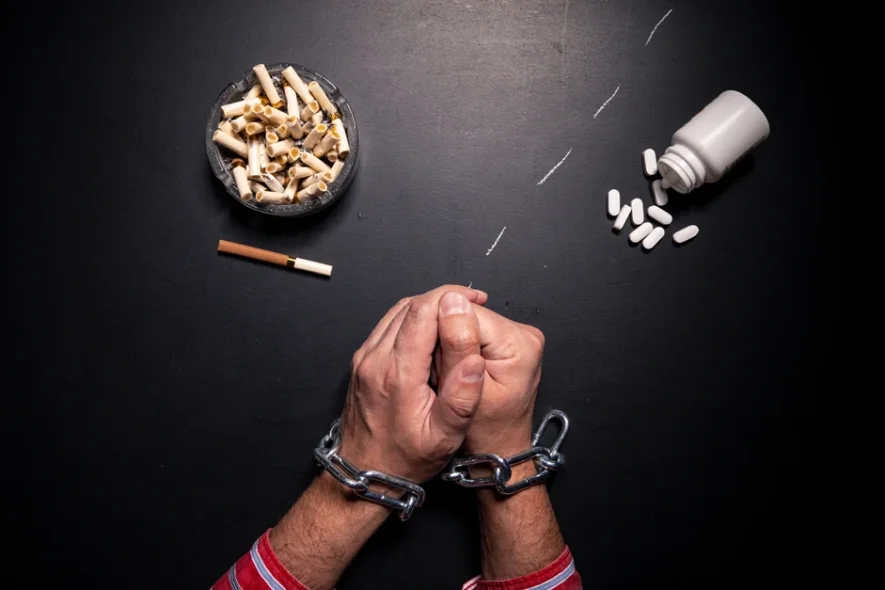
You don’t know what to do. The spouse you married, you loved, you know has been replaced by a stranger. Maybe they’re distant, angry, or depressed, often absent. You sense they are no longer truthful and the trust of many years seems to be absent. Is it something you’ve done? You’re afraid to talk, afraid to stay silent. Perhaps you notice money is missing from your joint bank account. Your spouse’s friends have changed. Maybe there are difficulties at work or your spouse is not able to find or hold a job. Has a monster entered your spouse’s life? All of these may be signs you are married to an addict. And if you are, how do you deal with an addict husband or wife?
Changes in the relationship between spouses can be caused by many factors: problems at work, problems with children or other family members, financial struggles, and health concerns to name a few. So when should changes raise a red flag, that something outside of these issues is very wrong? What are some of the signs of spouse addiction? Signs may include physical, behavioral and psychological changes, changes in the way your spouse relates to you including distancing and secrecy and increased financial difficulties. Join Wellbrook Recovery, the leaders in addiction treatment and discover how to know if you are the spouse of an addict and what are the different types of addictions they may suffer from.
What Is It Like to Be Married to an Addict
Addiction can impact every person differently but some characteristics are typical of addicts, including the following:
- It’s harder to talk to your spouse
- You find you are spending less time together
- Your spouse is no longer interested in activities you used to pursue together
- Your spouse is absent more often or more distant
- You suspect your spouse is lying about time spent at work or new relationships
- Money periodically disappears from your bank account or you discover the existence of loans
- Perhaps you received or overheard a call from the police, a lawyer, or a threatening person
This is not the person you married, have trusted and felt comfortable with for a long time. It seems to you your spouse is being drawn away from you, absent both physically and psychologically. Perhaps your spouse has lost a job or been put on probation. It is becoming harder and harder to talk with your spouse, who seems preoccupied and distant. Your spouse may have become anxious, depressed or even aggressive towards you and others. Could addiction be the cause of all this?
Types of Addictions
There are different types of addictions. Among them are substance addiction – particularly drugs and alcohol, gambling addiction, and sex addiction. All involve compulsive behavior and an inability to break away from the addiction.
Substance Addiction
A spouse may be addicted to mood-altering drugs such as heroin or cocaine or to prescription drugs like painkillers. Or they may have developed a dependence on alcohol. In each of these cases, as the addiction grows the need for larger doses of these substances grows with it. The body adjusts and needs more of the drug to achieve the same feeling. This can lead to changes in behavior as well as noticeable physical changes, but also to financial problems as the spouse tries to obtain more of the illegal – or legal – substance. In all these cases, efforts to stop the addiction often fail, leading to depression, irritable behavior, and the renewal of the addiction. This turns into an oft-repeated cycle.
Other Types of Addiction:
Gambling addiction: Most people who gamble occasionally set limits on the amount they are prepared to lose. Gambling addiction is the willingness to sacrifice something of value to try to obtain more value. What are the signs of gambling addiction in a spouse? Financial difficulties, including amounts missing from joint bank accounts and sometimes desperate efforts to secure loans or even steal to finance the addiction. This can lead to problems with threats, police, and even jail. A spouse may disappear for periods of time as they engage in their addictive behavior. As with other addictions, efforts to stop often fail, and the addicted spouse may return to gambling and find themselves deeper and deeper in financial troubles.
Sex addiction: Changes in sexual behavior within a marriage, secrecy or disappearance of a spouse without explanation are some of the signs of sex addiction in a spouse. Your spouse may resort to extra-marital relationships or other means to maintain their fix. Financial problems may result from a spouse trying to buy sex to fulfill their sexual needs. Marital relationships may strain or even break in the face of sex addiction in a spouse. Even though gambling and sex are not the same as substance addiction, they too stimulate the reward system of the brain in similar ways, which tends to prolong the addiction.
Determining if Your Spouse Has an Addiction

How can I tell when someone is an addict? There are some symptoms common to all types of addiction and others specific to one. Let’s examine some of the telltale signs.
Physical Signs Your Spouse Is an Addict
Addiction may affect your spouse’s appearance, produce bodily changes, and alter how your spouse presents themselves physically. Not every physical change in a partner is the result of addiction, but some of the possible physical signs that your spouse is an addict may be:
- Eye movement or changes in eye appearance
- Weight loss or gain
- Tremors
- Slurred speech
- Physical marks
- Coordination
- Concentration
Psychological Signs Your Spouse Has an Addiction
Addiction places your spouse under tremendous pressure, both physical and psychological, that may result in altered behavior. You may find yourself unable to recognize the spouse you know well in the midst of these changes. Such changes may affect not only your relationship to your addicted spouse but other relationships and a spouse’s job as well. Some psychological signs your spouse has an addiction include:
- Anxiety
- Paranoia
- Instability
- Mood swings
- Lack of memory or memory blankouts
Behavioral Signs of Addiction in Your Spouse
Both the physical and psychological effects of addiction could alter the behavior of a spouse, putting additional pressure on your relationship. Old habits and interests might change as the spouse pursues the addiction. Your spouse may have trouble at work or trouble holding a job. Some possible behavioral changes that could indicate your husband or wife may be a drug addict, or addicted to other substances are:
- Aggression towards you and others
- Abandoning hobbies
- Legal problems resulting from theft or behavior
- Erratic or inappropriate behavior
- New relationships
- Depression
Other Signs Your Spouse May Have an Addiction
You may also notice the following addiction symptoms in your spouse:
- Seeking new circles of friends who are also involved in addictive behavior
- Possible problems at work or even the loss of a job
- Cyclic attempts to stop the addiction and then start it again
- A loss of trust between the spouse and other family members and friends
- Aggression and other damage to the relationship with the spouse
- Denial of addiction or related issues
- Distance or disappearance of a spouse to pursue their addiction
Drug Addiction Versus Alcohol Addiction
There are differences between alcohol addiction and drug addiction, largely, but not only, related to legality. Society encourages alcohol consumption and may joke about it but this is not true of injecting heroin or sniffing cocaine. Alcohol is easier to obtain and its consumption is considered acceptable. Drug users need to find suppliers and use drugs secretly or seek out others with whom they can share the experience. This attaches a much greater stigma to drug use. As marijuana becomes more available legally, it begins to resemble alcohol as an acceptable social pastime. In America, the addiction rates are staggering: 18 million people are addicted to alcohol, while 4.2 million struggle with marijuana addiction.
Different Types of Addiction and Their Symptoms
There are many different substances your spouse could be addicted to. What are the signs of specific types of addiction?
Signs of Alcoholism in Spouse
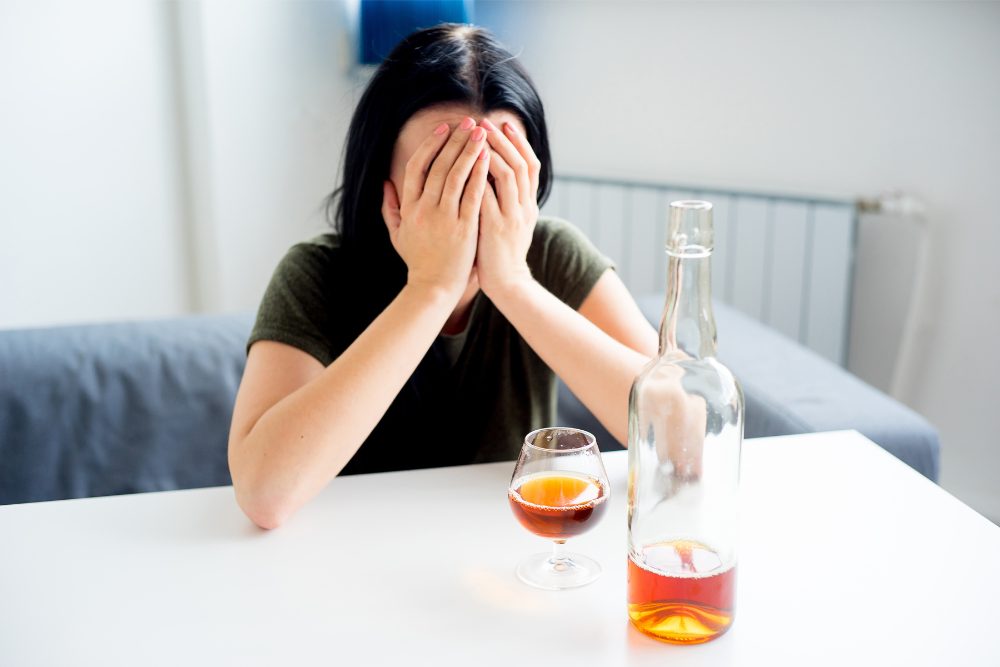
Alcohol abuse can affect every organ in the body including stomach lining and brain function. Some of the possible signs of alcohol abuse in a spouse are:
- Rapid, uncontrolled eye movements
- Lack of coordination
- Memory blackouts or impairment
- Sweating
- Nausea or vomiting
- Slurred speech
- Erectile dysfunction
Alcohol addiction may also have serious physical consequences. Possible problems may include high blood pressure, ulcers, alcoholic hepatitis, and damage to the heart, liver, pancreas, and immune system. Other physical consequences include comas, strokes, and certain cancers.
Once a spouse is seriously addicted to alcohol, attempts to withdraw may result in symptoms such as tremors, seizures, insomnia, anxiety, hallucinations, and nightmares. As in other types of addiction, an addict may go through cycles of trying to withdraw and returning to the addiction.
Spousal Drug Addiction

Drug addiction may involve illegal substances such as heroin but may also be the result of extended use and abuse of prescription drugs, specifically painkillers. You may be married to a drug addict whose abuse began as a legitimate way to control pain from an injury or a disease but progressed to the point where your spouse seeks much higher doses of these drugs than available through prescription.
Signs of Drug Abuse in Spouse
Understanding how to tell if someone is on drugs, could help you identify whether your spouse has a drug addiction. Here are some possible signs of drug addiction in a spouse:
- Bloodshot eyes or exceptionally dilated pupils
- Weight increase or decrease
- Slurred speech
- Lack of coordination
- Changes in sleep or appetite
- Changes in oral hygiene
- Strange odors on body, clothing, or breath
- Physical marks such as track marks at injection sites
Some of the consequences of drug addiction include overdoses, violent or accidental death, organ failures due to accumulated toxicity, and getting a disease, like HIV, while addicted.
Resources for Those Married to an Addict
As spouses of addicts, how can you help them with their addiction? Do the signs persist? Does your spouse deny they have a problem or refuse to talk about themselves? It may be time to seek treatment.
First and foremost an addict needs compassion. Addiction is a disease, mental and/or physical, which may trap a spouse and alter their behavior. The spouse may have attempted to stop and been unsuccessful leading to feelings of anxiety and failure. They may have lost a job, be in debt or have distanced themselves from their loved ones. As the spouse of an addict, helping them talk about their addiction and the way it is affecting them is a first step. Help is available if a spouse can admit their problem and discuss it. If you can behave with the same love and compassion that was part of your relationship before your spouse became addicted, it will help your addicted spouse be able to recognize the problem and seek help. Recovery treatment centers have the tools and the trained staff to diagnose addiction and help your loved one get onto the road to recovery.
Wellbrook Recovery is uniquely suited to help your spouse with issues of substance abuse and addiction. Wellbrook provides an overall framework for recovery, dealing with the physical, psychological, and emotional aspects of addiction. If your loved one is suffering from substance addiction and is in need of structured and intensive treatment, contact us today.