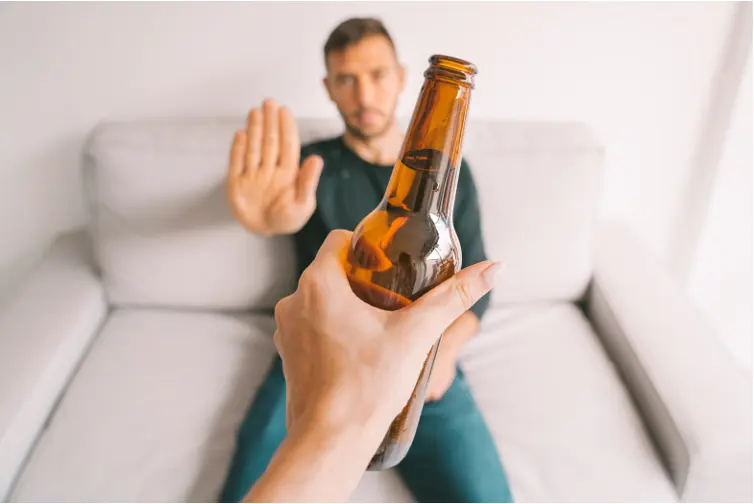
Recovery is rarely a straight line. For many individuals battling substance use, relapse is a painful but common part of the process. For loved ones, it can feel devastating to see someone slip after making progress. The most important thing to remember is that relapse does not erase the effort already made, but it simply signals that more support, understanding, and healing are needed.
At WellBrook Recovery, we remind families across Ohio and Wisconsin that compassion and communication are the strongest tools you have when relapse happens. Here’s how to understand what’s happening and how to respond with empathy and hope.
Table of Contents
Key Takeaways on What to Do After a Relapse
- Addiction relapse is common and can be part of the recovery process; understanding this helps reduce shame and build resilience.
- Relapse doesn’t mean failure; it’s a signal that more support, awareness, or adjustment is needed on your recovery journey.
- Telling someone you’ve relapsed can be difficult, but it can restore accountability, rebuild trust, and reconnect you with support.
- Causes such as stress, triggers, emotions, or environment often play a role in relapse; awareness is the first step to prevention.
- Recognizing the relapse cycle and noticing early warning signs (like emotional or mental triggers) helps you interrupt the pattern before it escalates.
- Recovery and relapse are intertwined; each setback offers insight into what you need to strengthen your long-term recovery plan. Moving forward is always possible; seek help, adjust your coping strategies, and focus on progress, not perfection.
What is Addiction Relapse?
An addiction relapse occurs when a person returns to using drugs or alcohol after a period of sobriety. Some relapses are brief “slips,” while others may lead to a full return to substance use. For family members, this can be heartbreaking to witness, but it’s essential to know that relapse is not a sign of failure. Instead, it is a symptom of addiction itself, a chronic condition that often requires long-term management and care.
Understanding relapse helps remove judgment and shame. It allows families to see their loved one’s struggle through a medical and emotional lens, not a moral one.
Definition of Relapse in Addiction
Taking a substance again after deciding to stop constitutes relapse in addiction. It reflects the powerful nature of addiction as a chronic brain disease that alters how people experience stress, memory, and reward. Even after long periods of sobriety, stress, triggers, or emotional distress can reignite cravings.
Knowing this definition helps families view relapse not as “giving up,” but as an opportunity to reassess the support systems and treatment approaches needed.
What Are Some Examples of Relapses?
Relapses can take different forms. Sometimes, they are intentional and a conscious decision to drink or use again. Other times, they’re accidental, such as unknowingly consuming alcohol at an event. Emotional stress, celebrations, or even boredom can lead to relapse.
For a loved one, this can look like subtle behavioral changes: withdrawing from support groups, avoiding conversations about recovery, or returning to old environments. Recognizing these signs early can help families encourage intervention before a lapse deepens into a full relapse.
How to Tell Someone You Relapsed
Honesty is one of the hardest, yet most healing, steps after a relapse. If your loved one has relapsed, they may be ashamed or afraid to tell you. Responding with anger or disappointment can complicate the recovery process. Instead, listen first. Offer reassurance that relapse does not define their worth or erase their progress.
You might say, “Thank you for trusting me with this. I’m here for you. Let’s talk about how to move forward.” Encouraging open communication sets the foundation for renewed recovery.
What Causes a Relapse?
Many factors can contribute to relapse. These often include:
- Stress – pressure at work, family conflict, or financial strain.
- Emotional triggers – loneliness, anxiety, or depression.
- Environmental cues – visiting places or seeing people associated with past use.
- Overconfidence – believing one can “handle just one drink” or “use responsibly.”
- Lack of support – isolation or absence of a strong recovery network.
Understanding these causes can help families create safer environments and promote positive coping mechanisms at home.
The Relapse Cycle
The relapse cycle doesn’t happen overnight – it develops gradually. Experts identify three phases of relapse:
- Emotional relapse: Your loved one may begin to withdraw emotionally, skip meetings, or neglect self-care.
- Mental relapse: They might romanticize past use or debate whether one drink or dose would hurt.
- Physical relapse: This is the point where they actually use again.
Recognizing early warning signs during the emotional or mental phases can help you intervene with compassion and encouragement before the physical phase occurs.
Relapse and Recovery
Relapse and recovery are deeply intertwined. Many people in long-term recovery have experienced one or more relapses. It does not mean treatment has failed, but rather that recovery plans must evolve. Each relapse provides insight into what triggers are most potent and what strategies need reinforcement.
For families, this is a moment to reaffirm commitment, not retreat in frustration. Encouraging your loved one to reconnect with therapy, support groups, or structured treatment can reignite progress.
Is It OK to Relapse?
While no one wants to relapse, it’s essential to know that relapse does not erase progress. Asking “Is it ok to relapse?” is really asking whether healing can continue, and the answer is “yes.” It’s okay to have setbacks. What matters is how one responds afterward.
Families can model that mindset by avoiding blame and helping the person take practical steps toward renewed recovery.
Relapse Is Part of Recovery
For many individuals, relapse is part of recovery. Addiction is a chronic relapsing illness, much like diabetes or hypertension. It may take multiple treatment attempts before lasting change occurs. This understanding helps replace frustration with patience.
At WellBrook Recovery, we remind families that recovery is a lifelong process. Relapse is not the end but an important checkpoint on the journey toward stability.
I Relapsed, Now What?
The best answer to a loved one overwhelmed by their relapse is: You are not alone, and help is available. Encourage them to reach out to a counselor or return to a treatment program. Suggest attending a meeting the same day; momentum is crucial.
You can also help by removing triggers from the home, offering transportation to appointments, or simply listening without judgment. Each small act of support makes a difference.
Relapse Recovery Plan
Creating a relapse recovery plan can help prevent future setbacks. Together, you and your loved one can outline:
- Common triggers and how to avoid them.
- Positive coping skills such as exercise, journaling, or prayer.
- Support contacts – therapists, sponsors, and sober friends.
- Healthy routines for sleep, nutrition, and mindfulness.
Encourage your loved one to keep this plan visible and revisit it regularly. Families can also benefit from having their own plan, such as attending Al-Anon or therapy, to process emotions and learn how to offer support without enabling.

What to Do When You Relapse
If relapse happens again, take immediate steps:
- Acknowledge it. Denial prolongs the cycle.
- Reach out for help. Professional guidance makes a difference.
- Re-enter treatment if necessary. A higher level of care may be needed.
- Avoid self-blame. Shame isolates; recovery reconnects.
Relapse can serve as a turning point that strengthens long-term recovery, especially when families respond with empathy rather than judgment.
Life After Relapse – How to Bounce Back and Start Over
Recovery after relapse is absolutely possible. It begins with honesty, connection, and renewed commitment. Families who approach relapse with compassion often become a lifeline for their loved one’s healing.
At WellBrook Recovery, every setback can lead to a stronger comeback. Whether you’re in Wisconsin, Ohio, or anywhere in between, our experienced and compassionate team is ready to help you and your loved one find stability again. Reach out to us for a listening ear after relapse; we’re here to help.
You are not alone – and neither are they.
FAQs on What to Do After a Relapse
How many times do addicts relapse before quitting successfully?
Addicts relapse an average of 5 to 6 times before quitting successfully. Relapse rates for addiction range between 40% and 60%, similar to chronic illnesses like diabetes or hypertension.
What percentage of addicts relapse?
Between 40% and 60% of addicts relapse after initial treatment. Addiction relapse rates are comparable to chronic diseases such as diabetes or hypertension. At Wellbrook Recovery, we maintain an active alumni support group with regular events, which contributes to our high rates of lasting sobriety.
What is considered a relapse?
A relapse occurs when a person returns to substance use after a period of abstinence. It differs from a brief “slip,” which involves a single use without continued abuse.
What are five tools for relapse prevention?
Five practical tools for relapse prevention include therapy, support groups, mindfulness training, exercise, and trigger management.
How long does a relapse usually last?
A relapse usually lasts from a few days to several weeks, depending on the substance, duration of addiction, and available support. Early intervention can shorten relapse duration. Without treatment, a relapse can extend for months as addictive behavior patterns reestablish and withdrawal symptoms return.