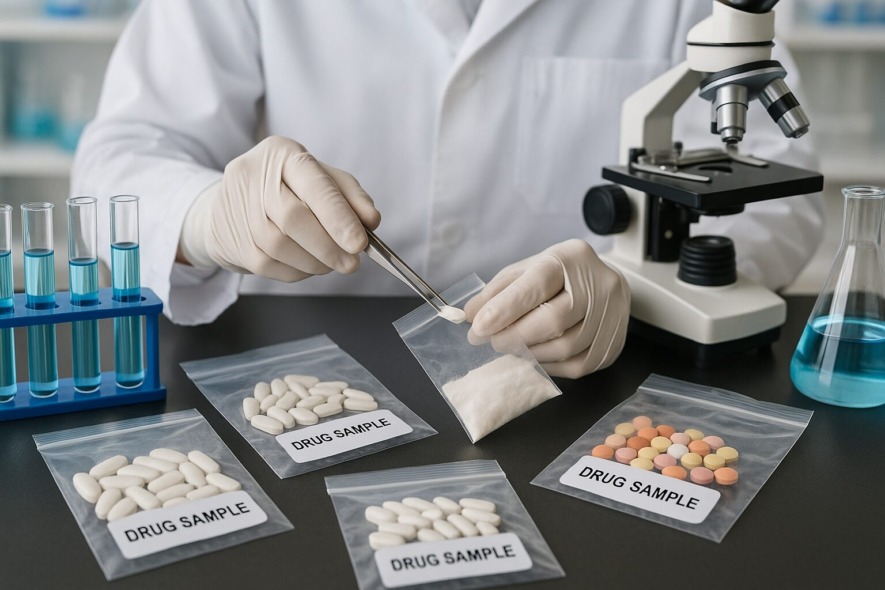
Walk into the supermarket, and buy a package of say, pasta. What are you actually buying? Simple. It’s pasta. Consumers in the United States are accustomed to “what you see is what you get”. Strict label regulation and FDA oversight ensure that every batch of anything you’d get in the supermarket is simply what it says it is.
Unfortunately, on the illicit drug scene, none of these protections exist. A complete lack of oversight, regulation, or standards means that the product label likely has no relation to what the product actually is. Drugs labeled and marketed as heroin are very likely to contain little to no heroin.
Table of Contents
- What’s in typical heroin? The shocking truth about illegal drug ingredients
- Why does it matter what’s in my drugs?
- How an unpredictable drug supply increases overdose risk
- Why are other drugs and ingredients added to heroin and other opioids?
- What other ingredients are found in heroin (and other opioids)?
- Overdoses are becoming harder to reverse due to unknown ingredients
- Get help with opioid addiction
What’s in typical heroin? The shocking truth about illegal drug ingredients
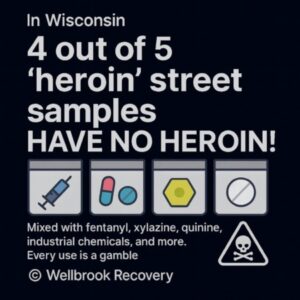
From five supposed street heroin samples recently analyzed in Wisconsin, only one actually contained heroin. Yes, you read that correctly. Just one fifth of the drugs sampled contained what they were labeled as. Read on to learn what was in those samples.
The CDC warns that illegal drugs aren’t regulated, and don’t come with an ingredient list. As a result, dosage and purity are difficult to determine. Heroin may be mixed with other substances, and counterfeit pills made to resemble prescription medications are increasingly common in the illegal drug market.
Users have no way of knowing just what is in the drugs that they are taking. Notably, drugs labeled as heroin, cocaine, or meth, often contain anything but.
Why does it matter what’s in my drugs?
The key element in using drugs safely is knowledge. What drug are you taking, how much are you taking, how does it affect you, what dose are you taking. Knowledge is power, and a lack of knowledge of one’s drug intake is what can make a user’s experience potentially deadly.
One aspect of knowledge, is that users need to know their personal drug tolerance levels. They need to know that the drug they are using is within their tolerance level. And to do that, they need to know just what is in their drugs.
With the addition of all these unpredictable, -unknown ingredients, drug users have lost their only protection from overdose- knowledge. Every use carries new and increased risks, no matter how experienced or careful someone believes they are.
How an unpredictable drug supply increases overdose risk
What happens when illicit drugs are laced with unknown ingredients is that users think they are getting, say, 5mg of actual heroin, whilst in truth what they are taking is 1mg of heroin and lots of fillers, or only fillers. The user’s tolerance level is then lowered, and when they take a dose that does actually contain 5mg of heroin, it can quickly become fatal.
Even more risky than cheap fillers and inconsistent dosages are powerful synthetic opioids. Fentanyl, and more recently nitazenes and xylazine (“tranq”), are super potent opioids, and the addition of the tiniest bit to a drug, just the size of a grain of salt, is easily fatal.
Other ingredients found included potentially toxic plastics and a cocktail of other chemicals, which can often be more dangerous than the “Heroin” itself.
The Wisconsin DHS notes: “The amount of fentanyl in illegal drugs… is completely random—even from the same supply. One portion or pill may not contain fentanyl, while other portions and pills from the same supply may contain fentanyl.””
Why are other drugs and ingredients added to heroin and other opioids?
Simple. To increase the dealers’ profits. Drugs like heroin and cocaine are natural substances. They need to be grown, harvested, and trafficked, requiring lots of effort, time, and mainly, money. In contrast, synthetic substances can easily and cheaply be made in labs.
At a congressional hearing about drug scheduling, they noted; By mixing something like fentanyl, which is 50 times more powerful than heroin, into drugs, dealers could vastly increase their profits with a much easier to obtain and cheaper substance.
It started with fentanyl, but today, to boost profits, maximize the ‘high’, and to deal with ever changing supply issues and legal regulations, it’s not only fentanyl being added to heroin. Tens of other drugs, chemicals, and fillers, are being found in heroin, and the drug market is more volatile and unstable than ever before.
What other ingredients are found in heroin (and other opioids)?
The Dane and Madison County overdose death report lists some of the adulterants being found in the illicit drug supply in Wisconsin:
Methamphetamine, caffeine, morphine, quinine (a medication used to treat malaria), lidocaine (a medication that has numbing properties), tramadol, xylazine, ketamine, diphenhydramine (Benadryl), acetaminophen (Tylenol), a chemical called BTMPS, and many forms of fentanyl.
Some common, less harmful additives found in the drug supply
- Caffeine – a psychoactive, stimulant drug that enhances the effects of heroin.
- (Benadryl)-Diphenhydramine- an over-the-counter antihistamine used to treat allergies, has sedating effects.
- Acetaminophen- a widely used pain reliever and fever reducer, often added to heroin to disguise poor quality heroin
- Quinine- a medication used to treat malaria, used as a heroin diluent.
- Lidocaine- a substance used as a local anesthetic in minor medical procedures, with similar anesthetic effects to cocaine.
Non-listed potent drugs often mixed into street drugs like heroin
- Methamphetamine- an illicit, addictive stimulant drug, that can cause overdose or death.
- Morphine- a natural, highly addictive opioid used medically for severe pain management.
- Tramadol- a prescription opioid used to treat moderate pain.
- Ketamine- a powerful anesthetic used in humans (mainly in surgery) and animals, used recreationally as a euphoric drug.
High-risk adulterants found in the illicit drug supply
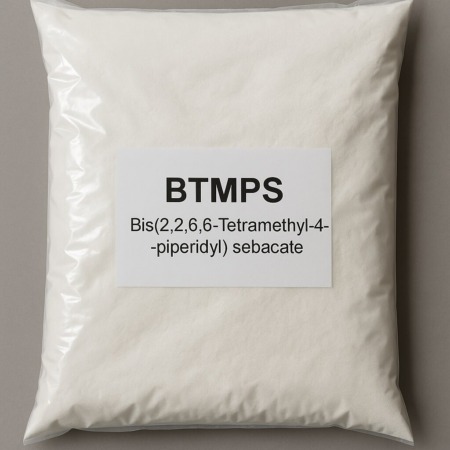
- BTMPS – a chemical agent never tested for human consumption. It is used in industrial production as a plastic stabilizer. The reason for its addition to the drug supply is unknown.
- Xylazine -a sedative intended for animals, primarily large ones, like elephants. It is not approved for human use and can cause severe respiratory depression and dangerous sedation. It is increasingly being found as a driver in overdoses and overdose deaths.
- Fentanyl and fentanyl analogs-Fentanyl is a synthetic opioid up to 50–100 times more potent than morphine. Numerous analogs (e.g., carfentanil, acetylfentanyl) vary in potency and are the main contributors to modern overdose deaths.
- Quetiapine (Seroquel)- a prescription antipsychotic, believed to enhance sedation or “balance” stimulant effects of opioids. When combined with opioids, quetiapine can dangerously slow breathing and lower blood pressure, greatly increasing the risk of overdose. Recently, it’s been detected in street drugs marketed as heroin or fentanyl.
- Nitazenes (Benzimidazole Opioids)- synthetic opioids developed decades ago for research purposes and never approved for medical use. It is now appearing in drug samples across North America and Europe. Similar in potency to fentanyl, even a microgram amount can cause respiratory arrest or death. The DEA reports that this substance is turning up in street heroin tests.
Source: The NY government drug adulterant fact sheet
All of these chemicals, opioids, and drugs are now being found in illicit drugs, underscoring the unpredictability and danger of the modern-day drug supply. Even experienced users can’t predict the potency and quality of their drugs. Every dose is a gamble.
Overdoses are becoming harder to reverse due to unknown ingredients
Does naloxone (Narcan) work if heroin was mixed with unknown substances?
Regrettably, often not all the way. In polydrug overdoses, naloxone will work on the opioids such as heroin or fentanyl, but won’t reverse the effects of non-opioids, such as xylazine or quetiapine. That means someone might wake up slowly, partially, or not at all, even after naloxone, because other substances they ingested (very likely unknowingly) are keeping them sedated.
Never hesitate to give naloxone. It can and does save lives. But be aware and know the danger in every dose, in every pill you take, in every bit you inhale. It might very likely not be what you think it is, and naloxone likely won’t be able to fully reverse its effects.
What should I do if someone doesn’t respond to Naloxone?
The CDC webpage about Naloxone says that the medicine should work within 2-3 minutes. If you don’t see a response within that time frame, give a second dose. Call 911 and keep the dispatcher updated with the information.
If someone doesn’t respond to naloxone, or for non-opioid overdoses, the CDC recommends giving rescue breaths until EMS arrives.
Minimizing the risk of drug use in an unpredictable market
Considering all these risks, when using street drugs, at a minimum, people should make sure to take steps to protect themselves. Never use alone, and start with a very small amount every time, even if the drug looks familiar. The contents and strength can change from one dose to the next, even within the same bag. Using fentanyl or xylazine test strips when possible can give at least some warning about what’s in the supply. Keep naloxone nearby and make sure someone present knows how to use it.
Simple precautions like these cannot remove the danger, but they can reduce the chance of a fatal overdose or poisoning in an increasingly unpredictable drug market. Obviously, substance misuse is a danger to any individual’s health and safety, regardless of precautions taken, and the best course of action is to deal with the addiction comprehensively.
Get help with opioid addiction
Opioid addiction is not a death sentence. You can get help, recover, and be free of addiction.
If you’re looking for opioid addiction treatment in Wisconsin, getting care close to home can make the process safer and easier.
An experienced rehab will guide you on the path to sobriety, recovery, and help you live your best life. Whether you need medical detox, long-term support, or a full treatment program in Wisconsin, Wellbrook Recovery is here to help.
Contact Wellbrook Recovery today to start your journey.