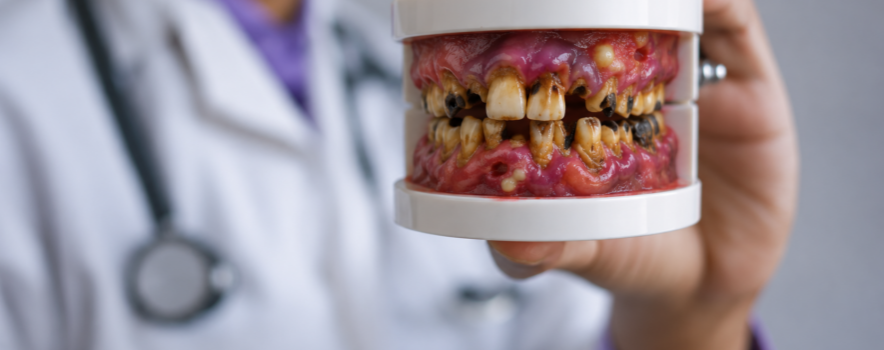
Broken teeth. Dark stains near the gums. Sores on the lips. Rotting teeth. Missing teeth. Too many cavities. All common dental issues, but together, they often point to a larger issue- chronic meth use that is causing what is known as ‘meth mouth’.
Meth mouth is real, and it’s common among people who use meth. Read on to learn what meth mouth is, what exactly causes it, and how to treat both meth mouth and meth addiction.
What Is Meth Mouth?
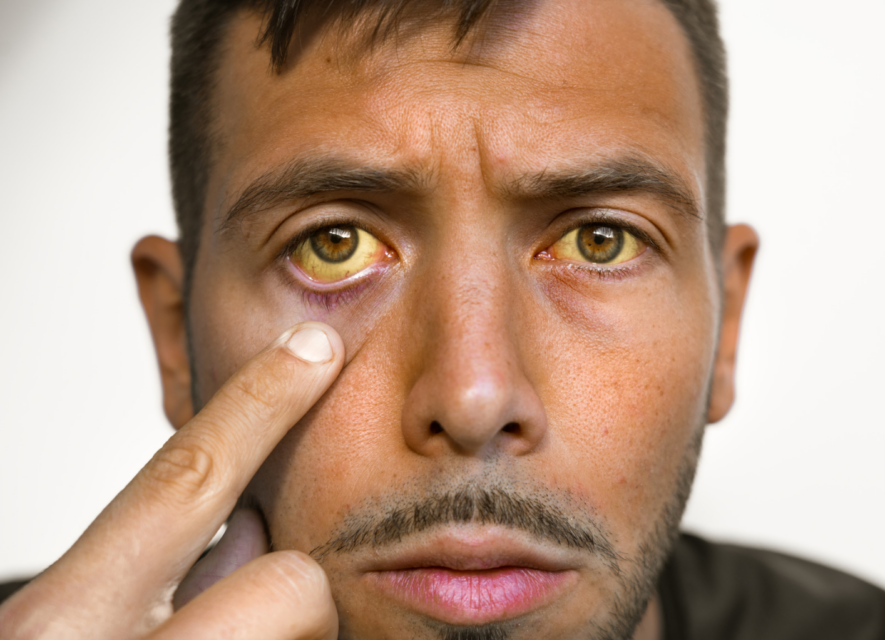
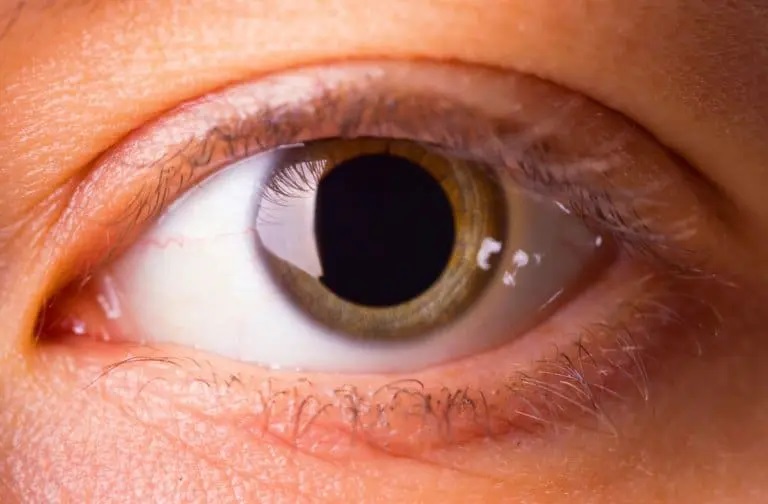
Meth mouth is the name for the severe tooth decay, gum disease, and tooth loss associated with meth use. It isn’t one singular issue, but rather, different mouth, gum and teeth issues caused by various aspects of meth use that together is known as meth mouth. Meth can also cause visible changes to the skin and face and to the eyes.
What Causes Meth Mouth?
Meth mouth isn’t caused by one thing. According to the American Dental Association, different oral problems add up, leading to the many symptoms that are together known as meth mouth.
- Dry mouth. Meth can cause dry mouth, which raises the risk of tooth decay.
- Grinding and clenching. People on meth may grind or clench their teeth, which can damage them.
- Sugary drinks. While high, people often crave sugary, fizzy drinks, which damage the teeth.
- Skipping brushing and dental care. When high on meth, users can go long stretches without taking care of their teeth, allowing decay to build up.
Does Meth Rot Teeth Because It’s Acidic?
You may have heard that meth rots teeth because it’s acidic. Meth is acidic, but a 2023 review found that dry mouth and grinding are the main causes of the damage, not the acid.
Signs of Meth Mouth
According to DentaQuest, common signs of meth mouth include:
- Dry mouth
- Gums that swell or pull away from the teeth
- Stained teeth that can turn black over time
- Tooth decay, often in the front teeth first and starting at the gum line
- Cracked or crumbling teeth
- Sores or burns on the lips, inside the mouth, or at the back of the throat
How Common Is Meth Mouth?
In the largest study of its kind, dentists examined 571 people who use meth. More than 96% had cavities, 58% had untreated decay, and more than 89% had gum disease. Only 23% still had all their natural teeth, compared to 48% of the U.S. general population.
The researchers also found that people who used meth more heavily had more dental disease. A follow-up study found that people who use meth were 4 times more likely to have cavities than people who don’t.

How Can Meth Mouth Be Reversed?
It depends on how much damage there is. Early dental care can help a dentist manage meth mouth, even if the damage can’t always be fully reversed. When the damage is severe, teeth often can’t be saved and have to be pulled.
The good news is that there’s a lot that can be done to stop the damage from getting worse, and to protect the teeth that are left.
Stopping Meth Use
The first step in dealing with meth mouth is usually stopping meth use, according to a 2023 review of research on meth and tooth decay. As long as meth use continues, dry mouth, grinding, and other causes keep damaging the teeth.
Dental Care For Meth Mouth
A dentist will start with a full exam and ask about your health history. According to the American Dental Association, dentists may use fluoride treatments to help protect the teeth. They can also help with dry mouth, using things like artificial saliva or special gum.
Fixing badly damaged teeth isn’t easy, and it may take several visits. Teeth that can’t be saved may need to be removed.
Be honest with your dentist about meth use. It’s important for your safety. Some numbing medicines used in dental work can be risky for someone who has used meth, and dentists often wait to do treatment if meth was used that day.
Treating the Meth Addiction
Dental care can repair what’s possible. But lasting change comes from treating the addiction itself. Without that, the damage to the teeth caused by meth use is likely to keep coming back.
Are you ready to be given a new chance at health and happiness? Be your true best self? Has going it alone not been working? Perhaps you’re concerned about a loved one and want to support them in obtaining the help they need to get better?
Wellbrook Recovery has extensive experience and expertise assisting individuals with all types of substance abuse struggles. Providing compassionate and cutting-edge, multi-pronged addiction recovery care at our beautiful, upscale facilities.
Our highly regarded, expert team of multi-licensed therapists and specialists will make your success their own and will hold your hand throughout, regardless of where you currently at. We’ve done it hundreds of times, helping individuals and families reclaim their lives, their confidence, and their smiles.
Just reach out.
We’ll walk you through the simple admission process and answer any and all questions.
We understand that addiction affects everyone differently, which is why we offer a range of treatment options designed to meet your individual needs. Our treatment center provides the following programs:
Drug & Alcohol Detox: Detoxification is often the first step in recovery. Our facility provides medically supervised detox to help clients safely manage withdrawal from drugs or alcohol in a supportive environment.
Inpatient Drug Rehab: Inpatient treatment offers a structured environment so clients can focus on recovery free from distractions. It’s ideal for those at the beginning of their recovery journey who need intensive, around-the-clock care to overcome addiction.
Day rehab – Partial Hospitalization Program (PHP): As clients transition from inpatient care to a more independent lifestyle, PHP gives them the support they need as they continue on their road to recovery. By spending much of the day in rehab but the evenings at home, clients reinforce the life and recovery skills they learned during inpatient treatment.
Outpatient Treatment Programs (Day/Evening): For those who need more flexibility, outpatient programs allow clients to continue living at home while attending treatment on a part-time basis.
Wellbrook Recovery believes in treating the whole person, not just the addiction. Our services go beyond detox and inpatient care to ensure a complete recovery process:
- Mental Health Support: Addiction often co-occurs with mental health disorders such as anxiety, depression, trauma and PTSD. Our team of mental health professionals works closely with clients to treat both the addiction and any underlying mental health issues.
- Behavioral Therapy: We utilize proven behavioral therapies such as CBT, DBT, IFS, EMDR, Biofeedback, Music Therapy, Art Therapy, among other advanced therapies to help individuals address the root causes of addiction, develop coping skills, and make lasting changes in their lives.
- Support Groups: Our support groups provide individuals with the opportunity to connect with others who are going through similar struggles. Peer support is an essential part of the recovery journey.
- Family Programs: Addiction impacts not only the individual but also their loved ones. Our family programs educate and support families, helping them to rebuild relationships and provide ongoing support.
- Alumni & Aftercare: We have a network of our close-knit alumni community, with events and support to stay in touch with your recovery and “battle brothers & sisters” from your time in treatment.