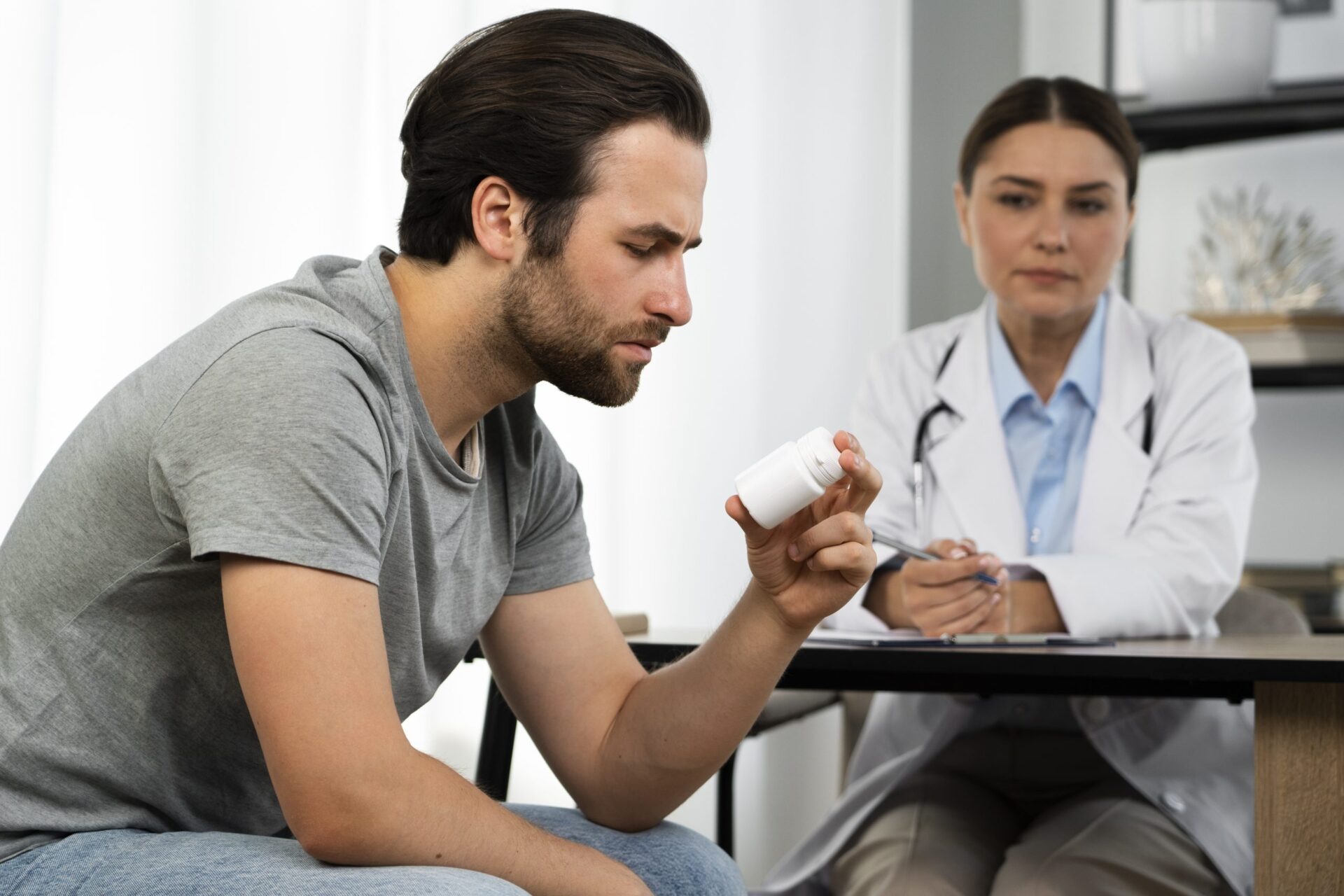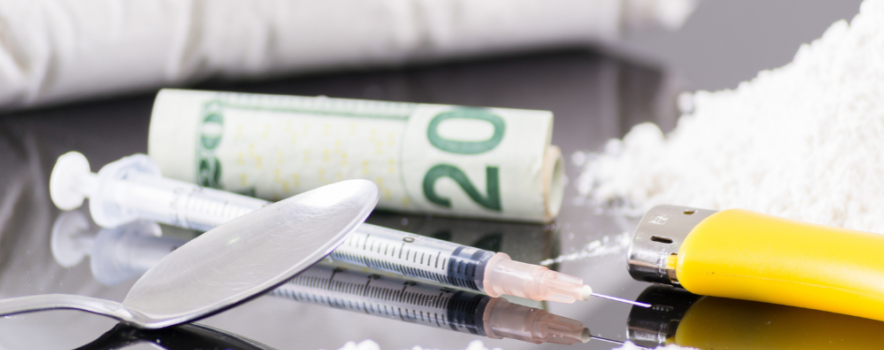
With ongoing heroin use, the body quickly adapts, leading to tolerance and physical dependence. When heroin use stops, the body struggles to function without it, triggering withdrawal symptoms as the brain attempts to rebalance itself. Withdrawal can be intense and overwhelming, and it’s not something to face alone. At WellBrook Recovery, we understand how heroin impacts both the mind and body. Our goal is to help you be prepared for what heroin withdrawal involves, what to expect at each stage, and how to move through the process safely, comfortably, and with the right medical and emotional support.
Table of Contents
Key Takeaways on Heroin Withdrawal
- Heroin withdrawal occurs when the brain, having adapted to repeated heroin use, struggles to function without the drug, leading to both physical and psychological symptoms.
- Common heroin withdrawal symptoms include muscle aches, nausea, vomiting, diarrhea, sweating, insomnia, anxiety, and intense drug cravings.
- Heroin withdrawal symptoms typically begin 6–12 hours after the last dose, peak within 1–3 days, and improve over 5–10 days, though timelines vary by individual.
- Short-term withdrawal often feels like a severe flu, while longer-lasting symptoms such as fatigue, low mood, and difficulty concentrating may persist.
- Heroin withdrawal treatment in a medical detox setting is the safest and most effective way to manage symptoms, reduce discomfort, and prevent complications.
What Are the Withdrawal Symptoms of Heroin?
Heroin withdrawal symptoms include muscle aches, anxiety, sweating, insomnia, nausea, vomiting, diarrhea, and intense drug cravings. Heroin withdrawal symptoms happen because repeated heroin use disrupts the brain’s natural opioid system. The brain reduces its own endorphin production, relying on heroin instead. When heroin use stops, the body struggles to function without it, triggering withdrawal symptoms as the brain attempts to rebalance itself.
How Long Does It Take to Withdraw From Heroin?
Withdrawing from heroin typically takes 5 to 10 days. Symptoms usually begin 6–12 hours after the last dose, peak between 1–3 days, and gradually subside. The exact duration depends on the individual’s usage history, dosage, metabolism, and overall health.
Heroin Withdrawal Timeline
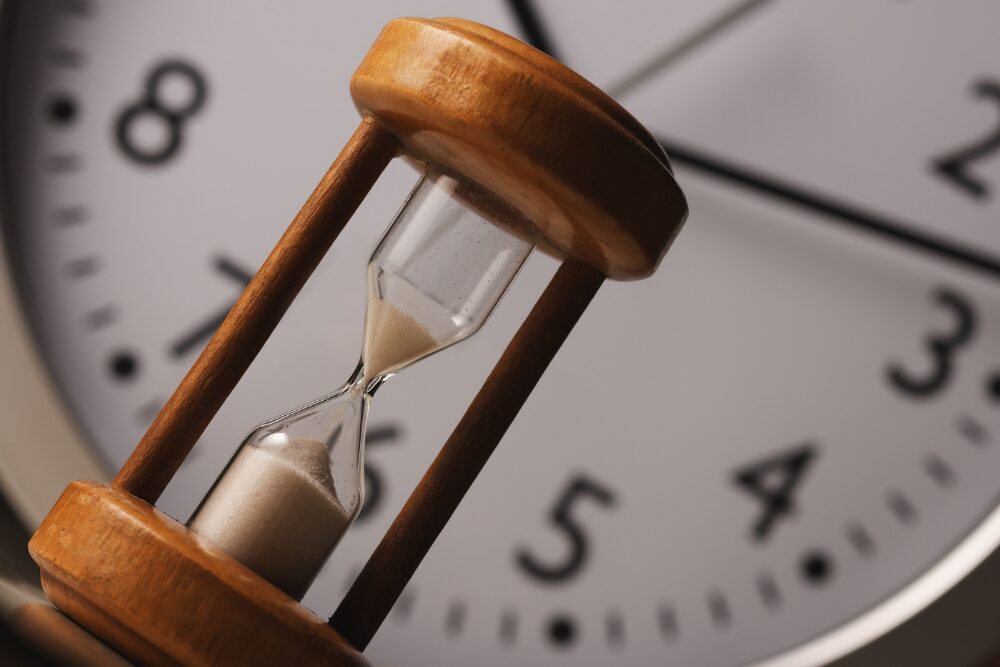
Although individual timelines vary, here is an outline of what a journey might look like:
- 0-24 Hours: Within 6–12 hours after the last dose, early symptoms such as muscle aches, agitation, anxiety, and a runny nose typically begin.
- Days 1-3: This is the most intense phase. Symptoms may include restless legs, muscle spasms, vomiting, abdominal cramping, nausea, and heightened distress.
- Days 3-5: Physical symptoms begin to ease, but profound fatigue and low energy are common as the body stabilizes. Mental cravings may become more noticeable.
- Days 5-7: The final stage of detox. Heroin continues to clear from the body, which may cause fogginess, mood changes, or emotional sensitivity.
- Post-Acute Withdrawal Syndrome (PAWS): After detox, lingering symptoms such as mood swings, anxiety, sleep issues, or low motivation may persist for weeks or months.
Short-Term Heroin Withdrawal Symptoms
Early heroin withdrawal, typically occurring within the first 48–72 hours, often feels similar to a severe flu. Common symptoms include:
- Nausea, vomiting, diarrhea, and intense muscle aches
- Excessive sweating, tremors, and a persistent runny nose
- Heightened anxiety, irritability, and restlessness
Long-Term Withdrawal Symptoms
As recovery progresses, some individuals experience ongoing heroin withdrawal symptoms, often referred to as “long-term fog” or post-acute withdrawal, that may persist for weeks or even months. These can include:
- Insomnia, disrupted sleep patterns, and low energy
- Ongoing anxiety, depression, and difficulty concentrating
- Reduced ability to feel pleasure or motivation (anhedonia)
How to Reduce Withdrawal Symptoms
The safest and most effective way to manage withdrawal symptoms is through a medical detox program. In a supervised setting, trained professionals can help ease discomfort with appropriate medications, closely monitor your physical and emotional health, and intervene quickly if complications arise. The level of care you receive during a medical heroin detox ensures you remain safe, supported, and as comfortable as possible throughout the withdrawal process.
The Importance of a Medical Heroin Detox

A clinical heroin detox is designed to safely and comfortably remove toxins from the body while providing professional support throughout the process. During the stabilization phase, medical protocols are used to manage withdrawal symptoms, monitor vital signs, and help the patient achieve physical stability. Once stabilized, the transition phase guides the individual from acute detox into a long-term program, whether residential or outpatient, ensuring continuity of care. Clinical detox serves as the first crucial step in a comprehensive treatment for heroin addiction, laying the foundation for lasting recovery.
A Path Toward Lasting Heroin Addiction Recovery
The path to a drug-free life begins with detox. We are here to provide evidence-based heroin addiction treatment in a warm, supportive environment that prioritizes your comfort and dignity. With personalized medical care, we guide you every step of the way ensuring you have the tools and support needed for a full recovery.
Take the first step toward lasting recovery today; reach out to us.
Frequently Asked Questions on Heroin Withdrawal
Can you die from heroin withdrawal?
While death cannot exclusively be caused by heroin withdrawal, potential complications, like extreme dehydration or heart strain, can be fatal. That’s why professional medical supervision is a must.
How long does heroin stay in your body?
Heroin stays in the body for 1 to 3 days, depending on the detection method. It can be found in urine for up to 3 days and in hair for up to 90 days. Metabolism, dosage, and usage frequency affect how long it remains.
How long does it take to detox from heroin?
Most patients complete the acute heroin detox phase in 5 to 7 days, but complete psychological healing takes a lot longer.
How long does heroin stay in your blood?
Heroin stays in your blood for up to 6 hours after use. However, a primary breakdown product of heroin, called 6-MAM, may still be detectable for about 24 hours. Factors like dosage, frequency of use, metabolism, and hydration affect detection time.