Leaving rehab is a huge step. You’ve done something genuinely hard, and now you’re stepping back into regular life without the structure and support that carried you through treatment. It’s normal to be uncertain about what comes next, or to worry about whether you’re ready.
You don’t have to figure it out alone, and you don’t have to have everything in place before you leave. What matters most is understanding what the transition ahead actually looks like, and having a clear sense of the support that’s available to you. At WellBrook Recovery, we can help you move forward with stability and a plan you can trust.
Key Takeaways on Life After Rehab
- The first few months after rehab are emotionally uneven for most people. That’s a normal part of recovery, not a sign that something has gone wrong.
- Rehab treats the clinical side of addiction. Building a life that sustains sobriety is the ongoing work that follows.
- Continued care after rehab, whether through PHP, IOP, therapy, or peer support, significantly improves long-term outcomes.
- Routine, relationships, and having things worth working toward all shape daily choices in ways that willpower alone cannot.
- Recovery isn’t a straight line. Understanding how to respond when challenges arise is just as important as having a plan for the times when things are going well.
What Adjusting to Life After Rehab is Actually Like
In treatment, your day had shape. You went to therapy, followed a schedule, and were surrounded by people who understood what you were going through. Adjusting to life after rehab means leaving that environment and stepping back into work, family, and the demands of everyday life.
Many people feel motivated and hopeful in the early days after rehab. Others feel anxious, flat, angry, or emotionally unpredictable. Often it’s all of those things at different points in the same week. That unevenness isn’t a sign of instability. Your brain and body are still regulating after months or years of substance use, and that process takes time.
The coping tools you built in rehab still work outside of it. The key difference is learning to use them on your own in everyday situations, and that is part of recovery after treatment.
Preparing for the Situations You’ll Face
The people, places, and situations connected to your past substance use don’t disappear because you’ve been through treatment. What changes is that you can think through your response in advance, when you’re calm, rather than having to figure it out in the moment.
Before you leave treatment, or as early as possible afterward, it helps to:
- Write down the specific situations, emotions, or environments that increase your urge to use.
- Adjust your routine to reduce unnecessary exposure to those situations where you can.
- Have a clear, specific plan for what you’ll do when a craving comes up.
- Keep the contact details of people you can call right away when things get hard.
Planning for Relapse
Planning ahead for the possibility of relapse doesn’t mean you expect to fail. Recovery can include setbacks, and having a clear plan can make a difficult moment feel more manageable. Think about who you’ll contact, what steps you’ll take to stay safe, and how you’ll reconnect with support if you do experience a relapse. Deciding this in advance can reduce panic and help you return to recovery quickly.
Why Continued Post-Rehab Support Makes Such a Difference
One of the clearest findings in addiction research is that people who stay engaged with care after primary treatment are more likely to maintain their sobriety over time. The real test of recovery happens in the environments and relationships you return to, not in a clinical setting, and having post-rehab support matters a lot.
Continued care gives you clinical oversight as you navigate real-world pressure, a gradual reduction in treatment intensity rather than an abrupt end, connection with others who understand what you’re going through, and an honest outside perspective on how you’re actually doing. The right level of care depends on your history and what support you have at home. The main options are:
Partial Hospitalization Programs (PHP)
Structured daytime treatment most or all days of the week while you live at home or in sober housing. The most intensive step-down from inpatient care, and a good fit if you want significant daily structure while spending nights in a home environment.
Intensive Outpatient Programs (IOP)
Multiple therapy sessions per week alongside your regular work, school, or family commitments. Less intensive than PHP and a common next step, or a strong primary option for people with a stable home environment.
Outpatient Therapy
Continues the work you started in treatment and adapts to whatever new challenges come up. Approaches like Cognitive Behavioral Therapy (CBT) and Acceptance and Commitment Therapy (ACT), both offered at WellBrook, remain effective long after the inpatient phase.
Peer Support
Adds a layer of shared experience and accountability that complements one-on-one therapy. Peer support programs like Alcoholics Anonymous, Narcotics Anonymous, and SMART Recovery are widely available in person in most areas, and many also offer remote meetings you can join from anywhere.
Sober Living Residences
Substance-free housing where peer support and shared accountability are built into the environment. The question of where to live after rehab deserves careful thought. After rehab, housing is an important decision because the choice you make can influence your ongoing recovery. For people who want a stable, recovery-oriented home to return to, sober living residences can be one of the most supportive options.
Building a Routine That Holds
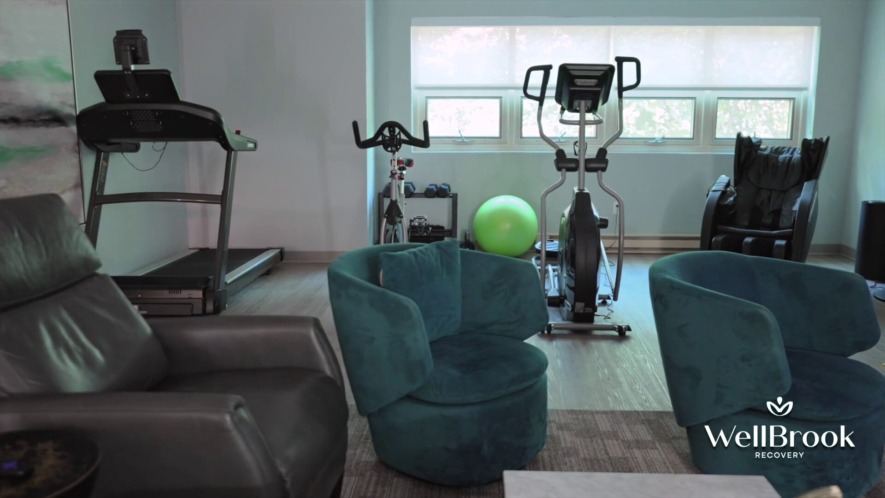
Substance use fills time and mental space in ways that aren’t obvious until it’s gone. Many people in early recovery find that unstructured time is when things feel most difficult, not because something is wrong, but because the brain is still learning to sit with boredom, restlessness, and everyday stress without reaching for something to take the edge off. This is why planning what to do after rehab can play such an important part in your stability.
Building a daily routine is helpful. Regular sleep, meals, and physical movement aren’t small things. They directly affect your mood, your ability to think clearly, and your ability to handle pressure. When those basics slip, everything else becomes harder to manage.
It also helps to have things in your life that feel worth staying sober for. Work you care about, relationships you’re investing in, goals that are months or years out. People in stable long-term recovery tend to be building toward something, and that sense of direction shapes daily choices in ways that are hard to manufacture through effort alone. There are specialized organizations that can help you figure out how to find a job after rehab, which can go a long way towards building stability.
Developing new hobbies can also provide a satisfying, productive way to fill your time and help you take your mind off cravings.
Relationships After Drug or Alcohol Rehab
Life after rehab for families and friends is its own navigation and one that begins a new chapter in relationships. Some prior relationships may be a source of strength and stability, while others, especially those tied to past substance abuse, can make recovery harder. Recognizing that early and making decisions accordingly is a sign of self-awareness rather than rejection.
Some loved ones may have spent months or years dealing with the emotional and practical fallout of your struggle with addiction. They may need time to catch up with the changes rehab has helped you achieve. Continue to demonstrate, through ordinary, consistent behavior, that things are different now.
Family therapy can help when communication is strained or when old patterns keep resurfacing despite everyone’s best efforts. It gives families a structured space to work through the transition together rather than navigating it through guesswork and good intentions alone.
When it comes to life after rehab, spouses can find couples therapy especially important, as it provides a guided space to navigate the challenges that come with recovery.
Trust comes back slowly, through repeated small acts of reliability like following through on what you said you would do or being honest when something is hard, rather than going quiet.
Post-Rehab: When Things Feel Harder Than Expected
Recovery has its own rhythms, and there will be stretches that feel more difficult than others. That’s not a sign that you’ve done something wrong. What matters is noticing when things have shifted and responding, rather than waiting it out alone.
Signs worth paying attention to include pulling back from your support network, losing interest in things that were helping, skipping therapy or meetings, or feeling increasingly preoccupied with the past.
Reaching out to your care team during those periods is exactly what that relationship is designed for. Getting extra support when you need it isn’t a step backward. It’s how people maintain long-term recovery.
Support After Rehab With WellBrook Recovery
At WellBrook Recovery, support doesn’t end when primary treatment does. Evidence-based therapies, including EMDR, IFS, and REBT, work alongside holistic approaches like music, art, nature therapy, yoga, and mindfulness, so that care addresses the whole person, not just the clinical side of addiction. WellBrook’s Alumni Program offers structured post-discharge engagement that keeps connection and accountability in place as you move forward. If you’re looking into your options for life after rehab, reach out to us. Our team is there to help you build the best plan for lasting stability, confidence, and continued progress.
FAQs About Life After Rehab
How long does the adjustment period take after rehab?
The adjustment period after rehab typically lasts 3 to 6 months. Full emotional and lifestyle stabilization often takes 6 to 12 months. Recovery speed varies depending on your history, any co-occurring conditions, and how consistently you stay engaged with care. Progress is rarely linear, but it does accumulate.
Is it common to need support after completing rehab?
Yes, it is very common to need support after completing rehab. Most people benefit from structured aftercare as they re-enter their regular environment and face real-world challenges for the first time in recovery.
How do I handle going back to work?
Handle going back to work after rehab by creating a structured plan before your first day, starting with clear boundaries, and easing back in gradually if you can. Keep attending therapy during the transition. Workplace pressure feels different in early recovery, and giving yourself time to find your footing makes a real difference.
What if my family is struggling to trust me?
It’s not uncommon for families to find it hard to trust a relative post-rehab. Rebuild family trust by demonstrating consistent behavior. Attend family therapy, maintain sobriety, communicate transparently, and follow through on commitments. Consistency, accountability, and patience restore credibility more effectively than conversations. Family therapy helps when communication feels stuck.
Do marriages last after rehab?
Yes, marriages can last after rehab. Your relationship stability depends on working towards continued sobriety, communicating with your spouse effectively, and participating in couples therapy. Couples who engage in structured therapy after treatment report higher relationship satisfaction and lower relapse rates.