When someone returns to substance use after a period of recovery, the language around that experience can carry a lot of weight. Terms like “lapse” and “relapse” are often used to describe different patterns, but they are not moral labels and they are not a substitute for a clinical assessment. What matters most is safety, honest support, and the next helpful step.
A return to use does not erase the effort, learning, or care that came before it. It can be a signal that a recovery plan needs more support, a different level of structure, or a closer look at what changed.
Key Takeaways
- A lapse and a relapse can describe different patterns of return to use, but the terms are not a measure of a person’s worth.
- Prompt, compassionate support is more helpful than secrecy or self-blame.
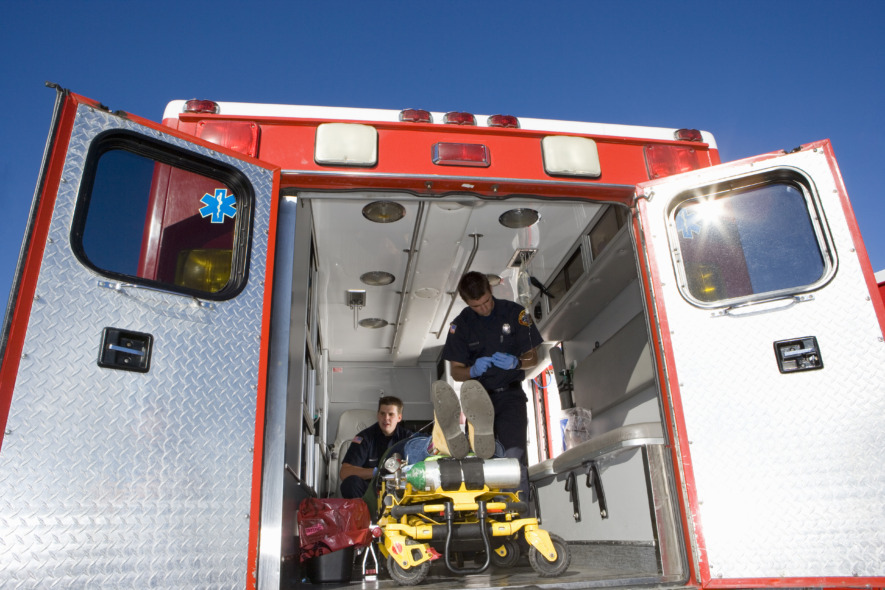
- Suspected overdose, severe withdrawal, or immediate danger requires emergency medical help.
What Is a Lapse?
People often use “lapse” to mean a brief return to substance use or a departure from a recovery plan. For example, someone may use once after a period of abstinence and immediately feel regret or concern. Even a single event deserves attention because it may reveal a trigger, a gap in support, or a situation that felt harder than expected.
A lapse does not automatically become a longer pattern. The most useful response is to bring it into the open with someone safe and to ask what support is needed next.
What Is a Relapse?
People often use “relapse” to describe a more sustained or returning pattern of substance use after a period of recovery. The difference may involve duration, frequency, risk, or the degree to which someone has stepped away from their recovery supports. Different treatment settings may use the terms differently, so the labels should guide action rather than create shame.
Whether you call it a lapse, relapse, or return to use, the important questions remain the same: Is everyone safe? What happened before the event? Who can help now? What changes are needed to reduce risk going forward?
Lapse vs. Relapse: Why the Distinction Can Help
The distinction can be useful if it helps someone respond early. A brief lapse may be a chance to contact support before a pattern becomes harder to interrupt. A sustained return to use may signal that more intensive care, additional monitoring, or a renewed treatment plan is needed. Neither situation should be treated as proof that recovery is impossible.
Wellbrook’s article How Many People Relapse After Rehab? provides additional context on why a return to use should be understood as a recovery concern that deserves support rather than stigma.
What To Do Next
- Prioritize immediate safety. Do not drive if you are impaired. If you believe someone may be experiencing an overdose, severe withdrawal, or another medical emergency, call 911 or seek emergency medical care.
- Tell someone who can help. A trusted support person, therapist, sponsor, clinician, or recovery contact can help reduce isolation and identify the next practical step.
- Look at the situation with curiosity instead of blame. Consider what was happening before the return to use, including stress, conflict, loneliness, pain, fatigue, social pressure, or a break in routine.
- Reconnect with your recovery plan. Review support contacts, appointments, triggers, coping tools, and the level of care that may be appropriate now.
For a more detailed recovery-focused next-step guide, see What to Do After a Relapse.
Rebuild Support Around Urges and Triggers
An urge does not mean you have failed. It may be a cue to slow down and use the supports you planned ahead of time. How to Stop Addiction Urges discusses practical ways to respond when cravings arise. A clinician may also help you use skills-based approaches such as Cognitive Behavioral Therapy for Addiction to understand patterns connecting thoughts, feelings, behavior, and substance use.
It can help to keep a short plan visible: three people to contact, three actions that create distance from substances, and the next care appointment. NIDA notes that recovery supports can include peer groups, coaching, recovery housing, recovery checkups, and community resources that provide practical and emotional support for continued remission.[1]
Consider Whether More Structure Would Help
A return to use can be an important time to speak with a qualified treatment professional. You may need a new assessment, more frequent appointments, a change in your support schedule, or a different level of care. This is not a decision you need to make alone.
Continued connection can also make it easier to ask for help sooner. If you are eligible, Wellbrook Alumni offers a way to stay connected with the recovery community after treatment.
Recovery Can Continue From Here
The next helpful action may be small: sending a message, going to an appointment, leaving a risky setting, or asking for a ride. Those steps matter. Recovery is not defined by never needing support. It is strengthened by learning to reach for it. For more guidance on continuing recovery after treatment, readers can visit Life After Rehab.
| If you or someone you love needs compassionate, individualized addiction treatment support, Admissions can help you explore next steps at Wellbrook Recovery. |
Editorial Source Notes: Remove Before Publishing
This section documents high-level sources used to keep the article responsible and recovery-oriented. It is for editorial review and is not intended for the published website article.