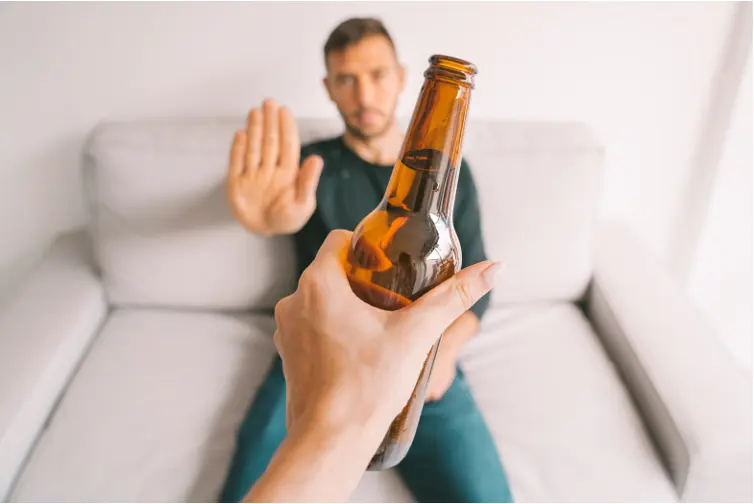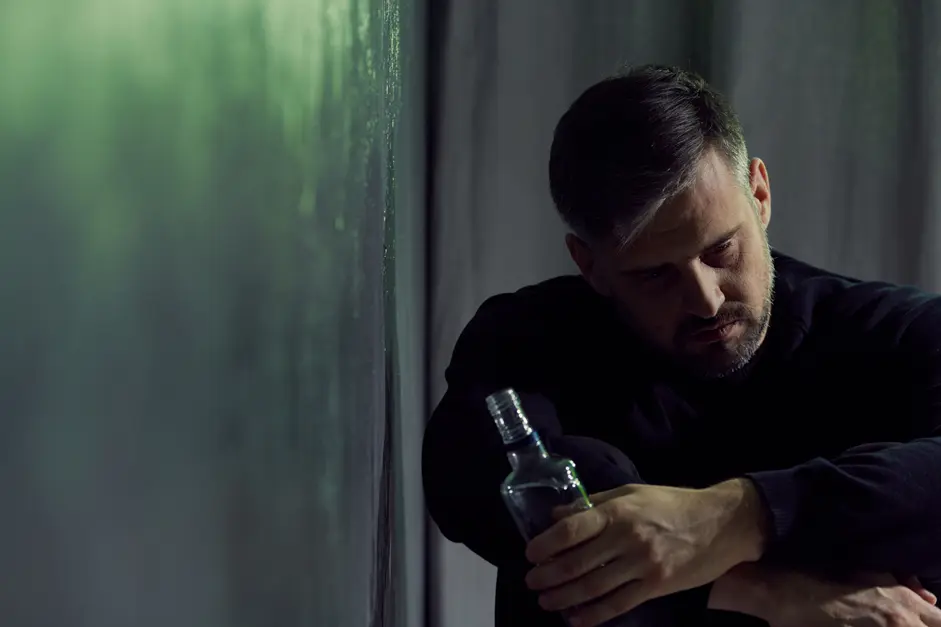
A challenging part of recovery is learning to move through those sudden, powerful waves of craving. These urges, whether for alcohol or drugs, can feel intense and confusing, but they’re also a normal part of healing. They do pass, even if in the moment it feels like they won’t. It’s common for families to wonder what these drug or alcohol cravings actually are and how they work. Understanding what a craving feels like, and how long it usually lasts gives you a clearer picture of what your loved one is facing. With that insight, you’re better prepared to support them in recovery as they fight the urges and keep moving toward sobriety.
Wellbrook Recovery explores addiction urges, why they happen, and helpful tips to resist the cravings and move past them.
Table of Contents
Key Takeaways
- Cravings are temporary. They usually peak within 15–30 minutes and then begin to fade.
- Urges are neurological, not moral, caused by the brain’s conditioned response to past substance use.
- Triggers matter. Stress, certain people, places, or emotions can quickly heighten cravings.
- Recognizing symptoms (emotional, physical, mental) helps you intervene early and stay grounded.
- Practical coping tools- distraction, reaching out for support, changing environments, breathing, and HALT- can stop an urge from taking over.
What is a Craving in Addiction?
Far more than a simple desire, a craving in addiction is a powerful, conditioned response rooted in the brain’s reward system, essentially a biological distress signal. The brain, having been chemically altered by regular substance use, begins to view the substance as necessary for survival. When the substance is removed, the brain attempts to override rational thought and trigger the behavior that previously provided the reward. This is why individuals feel such a compelling need to fight the urge. It’s important to understand this isn’t a moral failure or lapse in willpower; it is merely a neurological effect.
Knowing the Craving Symptoms
Cravings manifest differently for everyone, but they share common physical and emotional components. Recognizing these signs helps supporters anticipate moments of vulnerability and offer timely help with resisting urges. Sometimes, drug cravings become heightened in response to specific triggers – people, places, or stress. It’s helpful to watch for these observable signs of an impending urge:
- Emotional Stress: Sudden mood shifts, irritability, anxiety, or restlessness. The individual may seem emotionally unstable.
- Physical Manifestations: Muscle tension, sweating, a rapid heartbeat, or the classic “knots in the stomach” feeling. These are the physical symptoms of a brain preparing for action.
- Mental Fixation: The individual may become withdrawn, start talking about past using experiences, or show an unusual preoccupation with things related to the substance. This mental focus is the brain trying to rationalize the use.
- Avoidance: A strong desire to escape social situations or responsibilities, often to seek isolation, which is a high-risk environment.
How Long Do Cravings Last?
An addiction craving typically peaks and begins to subside within 15 to 30 minutes, although the intensity can feel endless in the moment. It is important to understand that this is a crucial window where focused distraction and planned coping skills are essential. There will be lingering feelings and thoughts, but the psychological intensity that drives immediate action is short-lived. Knowing that the worst will pass quickly provides a beacon of hope and a time limit, encouraging the individual to hold on just a little longer rather than giving in. This knowledge is central to learning how to fight the urge to drink or use.
10 Ways to Cope with Cravings in Addiction.
To support a loved one, you can help them develop strategies for coping with cravings. These techniques are designed to manage distress, distract the mind, and shift the focus away from the urge until the 30-minute window passes. These are practical, evidence-based methods you can use to maintain their sobriety:
- Delay and Distract: Commit to waiting 15 minutes before taking any action. Use that time for an engaging activity, like reading a short article or doing a Sudoku puzzle.
- Reach Out: Call a sponsor, a trusted family member, or a support peer. Verbalizing the struggle immediately makes it less powerful.
- H.A.L.T Check: A quick assessment to see if the urge is rooted in being Hungry, Angry, Lonely, or Tired. Addressing the underlying physical need often lowers the urge’s intensity.
- Practice Mindful Breathing: Focus intensely on breathing for five minutes. This engages the rational part of the brain and calms the stress response associated with the craving.
- Use Visualization: Imagine a safe, peaceful place, or picture a wall standing between you and the substance. Simple mental imagery can be a powerful deflector.
- Change Scenery: Immediately leave the high-risk environment. Even moving from one room to another can break the cycle of fixation.
- Engage the Body: A burst of physical activity, like a quick walk, jumping jacks, or stretching, releases tension and alters brain chemistry.
- List Consequences: Write down or verbally state all the negative outcomes of giving in to the urge. This can connect the individual with their recovery motivation.
- Challenge the Thought: Remind yourself, “This is a craving, not a command. It is temporary.” This process of recognizing and labeling the thought is important to fight cravings for alcohol or drugs.
- Listen to Music: Put on powerful, inspiring music (not sad or nostalgic) and focus solely on the lyrics and rhythm.
Mastering the Urge
Addiction urges can feel powerful, but they’re temporary. What helps most is remembering two things: the craving is your brain sending a conditioned signal, not a sign of weak willpower, and even the strongest urge will rise, peak, and start to fade within minutes. The real progress happens in that moment when you actively do something about it – distract yourself, reach out to someone, use grounding techniques, anything that breaks the cycle. When you understand how cravings work and have a few practical tools ready, those overwhelming moments become something you can get through, and eventually something you know you can win against.
Whether you’re early in recovery or navigating life after rehab, you don’t have to face urges alone. Contact Wellbrook Recovery to learn how our treatment and alumni programs can support you at every stage.
FAQs About Addiction Urges, and How to Stop Them:
How long does a craving usually last?
Most cravings peak within 15–30 minutes and then begin to fade, even if they feel intense in the moment.
What does an alcohol or drug craving feel like?
Cravings often feel like a strong pull or pressure to use, paired with anxiety, restlessness, or a racing mind focused on the substance.
What is the best way to fight the urge to drink or use drugs?
The most effective approach is to act immediately. Distract yourself, change your environment, reach out to someone, or use breathing and grounding techniques.
Why do cravings become heightened sometimes?
Cravings can spike due to triggers like stress, certain people or places, or emotional discomfort. Your brain is reacting to cues it associates with past use.