Meth is a powerful and highly addictive stimulant and has long been associated with a range of severe health consequences. While its impact on mental health and overall well-being is widely acknowledged by healthcare professionals and the general public, the drug’s devastating effects on the mouth, teeth, eyes, and skin are often overlooked. However, these are some of the longest-lasting consequences of the drug — and some of the hardest to recover from.
In today’s article, we will delve into the different ways methamphetamine abuse can wreak havoc on your oral and physical health, exploring the causes and consequences of meth mouth, meth eyes, and meth-related skin issues. By understanding the full extent of meth’s damage to the body, you can better appreciate the importance of early intervention, addiction treatment, and preventive measures for those at risk of methamphetamine abuse. If you or someone you love is addicted to meth, remember that you can always reach out to Wellbrook Recovery for help.
Table of Contents
Meth Face Sores
Meth face sores are skin lesions that appear on the faces of individuals who habitually use meth. Meth can cause various physical and mental health issues, and these sores are one of the visible symptoms of long-term abuse. Meth face sores can be attributed to several factors, including:
- Skin Picking – Meth frequently causes hallucinations. One of the most common hallucinations or delusions associated with meth is the sensation of insects crawling under the skin (also known as meth mites). When someone using meth feels this sensation, they compulsively scratch or pick at their skin. This can result in open sores and scabs, particularly on the face, arms, and hands.
- Poor Hygiene – Using meth often causes you to neglect personal hygiene, leading to the development of sores. When combined with skin picking, poor hygiene can even lead to more serious infections.
- Reduced Blood Flow – Meth constricts blood vessels, which can reduce blood flow to the skin and impair the skin’s ability to heal, contributing to the formation of sores. This also makes it more difficult to fully recover from meth sores, as it may take weeks, months, or even years for sores to fully clear up.
- Nutritional Deficiencies – Chronic meth use can result in a lack of appetite and poor nutrition, weakening the immune system and increasing the risk of skin sores on the face and the rest of the body.
It is important to note that face sores are not exclusive to methamphetamine users, as they can be caused by other skin conditions or infections. Nonetheless, the presence of these sores, along with other signs of meth abuse, may suggest an addiction.
Meth Mouth & Teeth
“Meth mouth” describes the severe dental problems associated with long-term meth use. More specifically, this term refers to the extensive tooth decay, gum disease, tooth loss, and other dental issues that can result from chronic meth abuse. This problem is so prevalent that images of the teeth of meth users are often used in anti-drug campaigns to deter potential users.
Contrary to popular belief, the drug itself does not always cause teeth to rot and fall out. Instead, it is often the behavioral effects of being high on meth that can lead to poor dental health over the short and long term. Here are some of the most common factors that contribute to meth mouth:
- Dry Mouth – Meth abuse can cause xerostomia or dry mouth, which is a decrease in saliva production. Saliva plays a crucial role in maintaining oral health, as it helps to neutralize acids, wash away food particles, and prevent the growth of harmful bacteria. Reduced saliva production increases the risk of tooth decay and gum disease.
- Poor Oral Hygiene – Meth users often neglect their personal hygiene, including oral care. Failing to brush and floss regularly can lead to the buildup of plaque, as well as tooth decay and gum disease.
- Teeth Grinding – Meth use can cause bruxism, or the involuntary grinding and clenching of teeth. This can lead to increased tooth wear, fractures, and chipped teeth.
- Sugary Food and Drink Consumption – Meth users frequently crave sugary foods and beverages while high, which can contribute to tooth decay. When combined with poor oral hygiene, the effect on mouth and dental health can be devastating.
- Acidity – Methamphetamine itself is acidic, and when smoked or snorted, it can contribute to the erosion of tooth enamel, making teeth more susceptible to decay.
Meth mouth can cause severe pain and discomfort, and in some cases, it may lead to tooth loss or the need for extensive dental work. Treatment for meth mouth typically involves addressing the underlying addiction and working with a dental professional to repair the damage and restore oral health.
Meth Eyes
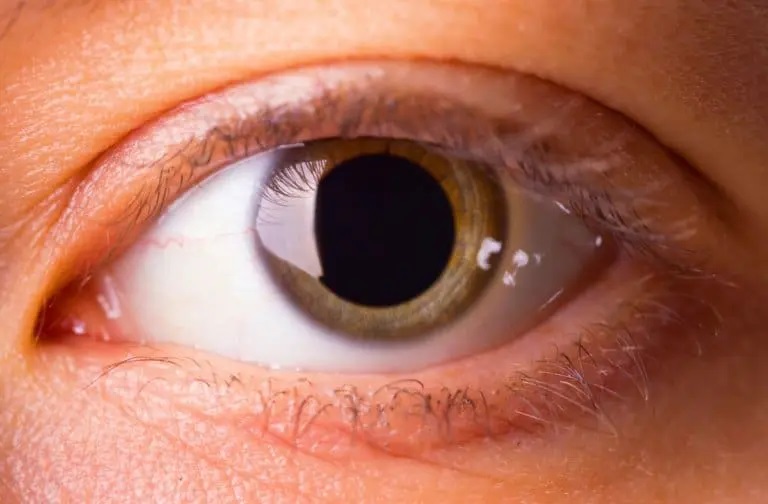
If you’ve ever used drugs or encountered someone high on drugs, you know that eyes can look very different on meth. “Meth eyes” is a term that refers to the distinct appearance of the eyes of some meth addicts. Methamphetamine use can have various physical effects, and these visible changes in the eyes can be one of the symptoms of long-term abuse. Some of the characteristics associated with meth eyes include:
- Bloodshot Eyes – Meth use can cause bloodshot eyes, which result from the dilation or irritation of blood vessels in the whites of the eyes. This can be due to the drug’s stimulant effects, as well as exposure to toxic fumes when smoking meth. Additionally, meth can lead to Retinal Vein Occlusion, as it constricts blood vessels, which causes blood clots in or around the eyes.
- Crystalline Retinopathy – Crystalline Retinopathy is a disorder that can result in crystal deposits throughout the retinas. Meth can contribute to the buildup of crystals, which become more visible with time.
- Dilated Pupils – Methamphetamine can cause the pupils to dilate or enlarge, making them appear bigger and darker than normal. This is a common reaction to stimulant drugs and can contribute to the appearance of meth eyes.
- Sunken Eyes – Chronic meth use can lead to weight loss, malnutrition, and dehydration, which may cause the eyes to appear sunken or hollow.
- Dark Circles – Methamphetamine use frequently disrupts sleep patterns, causing insomnia or irregular sleep habits. The resulting sleep deprivation can lead to the development of dark circles or bags under the eyes.
- Rapid Eye Movement – Meth use can cause involuntary eye movements or twitching, known as nystagmus. This is largely due to the drug’s stimulating effect, as well as its effects on the nervous system.
Get Help With An Inpatient Meth Addiction Treatment Center
If you’re looking for comprehensive meth addiction treatment at an inpatient residential facility, look no further than Wellbrook Recovery. Located in Brookfield, Wisconsin, Wellbrook Recovery is equipped to help you overcome the challenges presented by meth addiction. We are committed to providing compassionate inpatient care to ensure that you overcome addiction and regain control of your life.
At Wellbrook Recovery, our experienced and dedicated team of addiction specialists work tirelessly to create personalized treatment plans tailored to meet the unique needs of each individual. We focus on addressing the root causes of addiction and providing the necessary tools and support for long-term recovery. If you or a loved one is suffering from methamphetamine addiction and is looking for inpatient drug rehab, reach out to Wellbrook Recovery today.