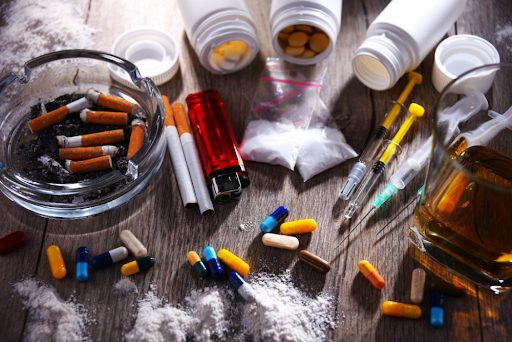
Once a mild anesthetic and kitchen tool, nitrous oxide has become a widely abused inhalant, now sold in gas stations, vape shops, and online. Often assumed to be a harmless, legal high, its misuse has been linked to emergency room visits, neurological injury, paralysis, and death.
What is nitrous oxide (also known as laughing gas, galaxy gas, whippets, hippy crack or Miami magic)? What are its legitimate uses, how did it become a product that thousands are abusing, and what can we do about it?
Table of Contents
What is nitrous oxide (N2O) and what is it used for
Nitrous oxide is a colorless, nonflammable, nearly odorless gas, chemically known as N₂O.
In medical settings, it’s largely referred to as laughing gas, where it’s used as a mild relaxant and anesthetic. It’s used at the dentist, for women in labor, and in emergency medicine. There are also some studies suggesting it may be helpful to treat depression or anxiety, but those studies are limited.
Outside of medicine, nitrous oxide is used as a propellent for whipping cream; an oxidizer in rocket propellent and as an engine power booster in racing cars.
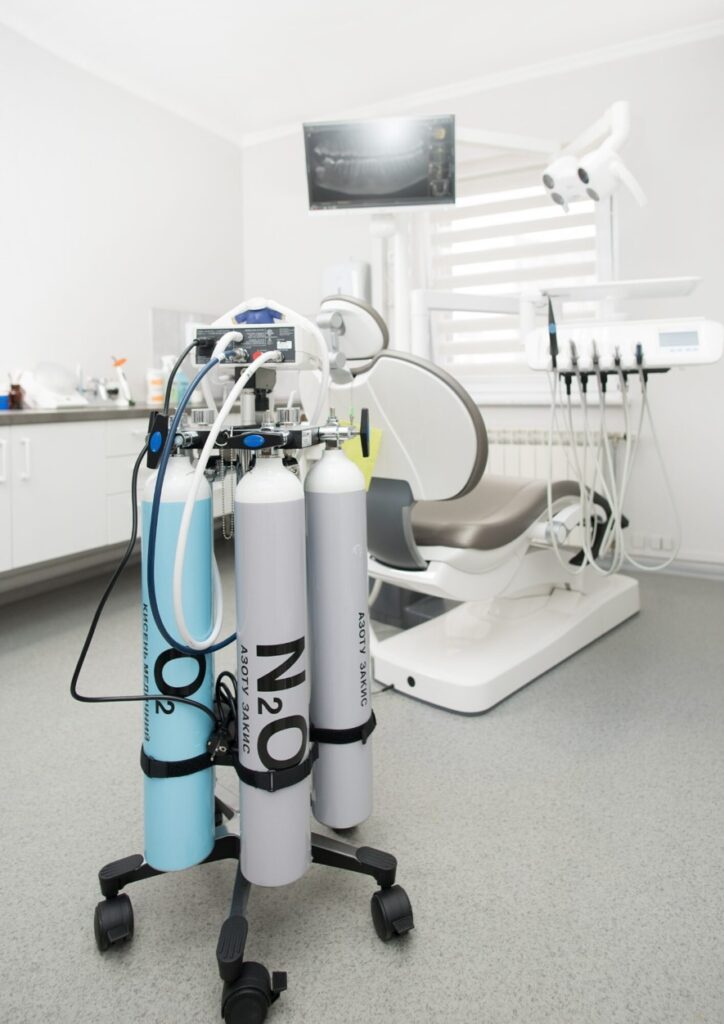
Nitrous Oxide “Laughing Gas” abuse
The history of nitrous oxide abuse
In 1799, English chemist Humphry Davy self-experimented with the gas, noting its euphoric effects. After watching people on the gas laugh uncontrollably, he nicknamed it “laughing gas”. He started getting together with friends to get high, hosting laughing gas parties.
Since that discovery, laughing gas has been used recreationally, with its popularity waxing and waning over the years.
How laughing gas abuse became so widespread
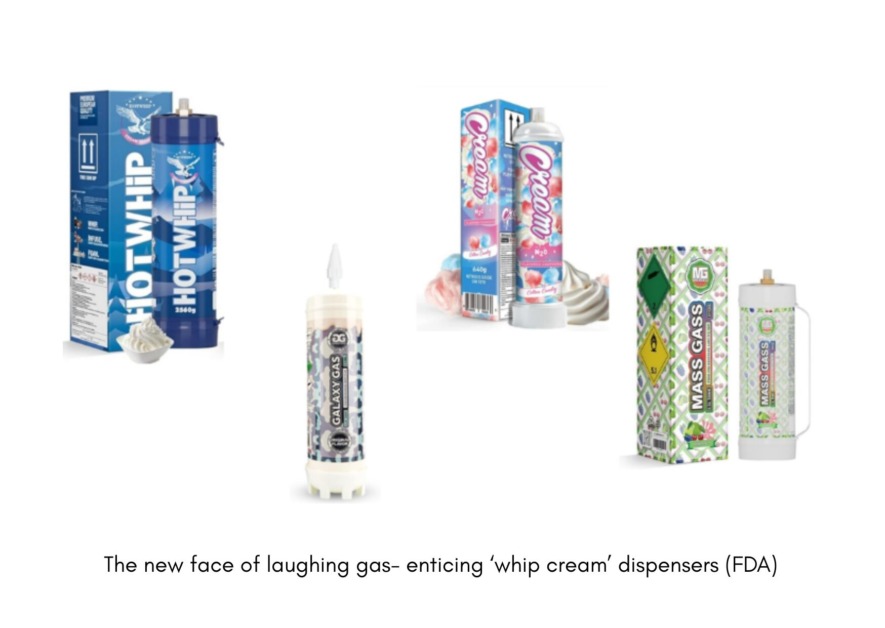
In recent years, manufacturers started selling nitrous oxide gas in different flavors (think strawberry and bubblegum), and the gas canisters storing them became continuously bigger and bigger. Bigger than you could practically use, even if you’d be whipping cream all day.
It became widely available in gas stations and vape shops. Why would a gas station sell whipping cream propellant? Experts say, to attract youth, teens, and partygoers looking for a quick and legal high.
They didn’t do it explicitly. The cans still say, ‘for culinary use only’. But careful reading of the product description and reviews seem to imply that these whip cream bottles are being used for lots more than just whip.
Laughing gas on social media
The laughing gas craze was fueled by viral social media posts promoting the gas and its effects. A video posted on Instagram and Tik Tok showed a user inhaling nitrous oxide, and how it changes his voice. That video reached an astounding thirty-eight million views before it was taken down.
The Jama Network reported that deaths from nitrous oxide went from just 23 in 2010 to 156 in 2023. That represents an astounding 578% increase in deaths from the gas. CBS news blames viral Tik Tok videos promoting the gas for causing the spike.
Laughing gas abuse in 2026
Together, expanded access, larger canisters, and social media exposure created the problem we face today. Laughing gas is no longer a niche product being abused, but a widespread threat facing our youth, teens, and young adults today.
Stories of paralyzed teens, loved ones found dead in their rooms, surrounded by nitrous oxide canisters, and children taken in their prime by drivers high on nitrous oxide, fill the news.
More work is needed in our communities, on social media, and legislatively to educate parents and children about the dangers of this harmful but friendly sounding drug.
Nitrous Oxide abuse effects
Immediate effects of nitrous oxide abuse
As soon as nitrous oxide is inhaled, it displaces the oxygen in the lungs. This induces immediate effects, including
- Euphoria
- Hallucinations
- Voice changes
- Reduced anxiety
- Lightheadedness/ dizziness
- Altered sense of reality
- Headache
- Shortness of breath
- Fainting/loss of consciousness
- Frostbite, when inhaled directly from the canister
(source: CDC )
Long term side effects
Constant nitrous oxide abuse can lead to neurological damage. The gas deactivates the vitamin B12 in the body. Without B12, messages in the nervous system aren’t given over properly.
This first leads to tingling in the arms and legs (pins and needles), and then progresses, sometimes slowly, sometimes quickly, sometimes even after a patient has stopped using. Damage continues to persistent numbness, weakness, balance problems, difficulty walking and finally, if left untreated, complete paralysis.
Typically, the damage is at least partially reversible, especially if identified early enough. Sometimes, individuals can be left with permanent sensory damage, and in severe cases, permanent paralysis.
Treatment for nitrous oxide side effects
Treatment includes first stopping all nitrous oxide use. Users are then treated with high-dose intramuscular B12 supplements and often require physical therapy. Treatment success depends on the individuals drive to succeed.
Early treatment is critical, as addressing nitrous oxide abuse quickly can prevent permanent nerve damage, while delays significantly increase the risk of irreversible neurological injury.
The broader risk of nitrous oxide abuse
Ryan Schneider, clinical director at Wellbrook Recovery, explains the concern with nitrous oxide. “Besides the inherent health risks of nitrous oxide, there’s a broader issue here. Once a teen becomes exposed to the mind-altering, dissociative effects of using, they want more. They start with something that seems harmless, like nitrous oxide, but it often doesn’t stop there. Nitrous oxide is often the first substance a teen may misuse, but it’s often not the last, becoming a gateway to more serious drug abuse. We must do everything we can to control this better, so we don’t deal with more serious consequences later on.”
Nitrous oxide in the Midwest
Recent news coverage shows Nitrous Oxide abuse is a growing concern in the Midwest.
Nitrous Oxide in Ohio
Local12 News reports that nitrous oxide abuse is a growing concern amongst teenagers. Dr. Shan Yin, medical director at Cincinnati Children’s Drug & Poison Information Center, highlighted the potential dangers associated with the substance. “It’s definitely worrisome because it definitely can have long-term effects, especially on cognition and your developing brain,” said Dr. Yin.
Nitrous Oxide in Wisconsin
Nitrous Oxide abuse is affecting Wisconsin too.
Dr. Fawzi Hindi and Dr. Naomi Arenson, both neurologists in Aspirus Wausau Hospital, report treating patients with spinal cord damage caused by nitrous oxide abuse.
“My patient was using for several months, and, actually, very high quantities, and then actually stopped before the symptoms started,” Dr. Arenson stated. For Dr. Hindi’s patient, it was a month of use that caused paralysis.
Anthony Boyd, a resident in Serenity House of Green Bay, lost two close relatives to the gas. “One was my uncle, and one was my cousin. I’ve used it with both of them, and they are now deceased,” he said. “They had aneurysms, and they both died. They were declared brain dead from it.”
The battle against nitrous oxide abuse
Parents who lost children to nitrous oxide, friends who’ve lost friends, and individuals whose lives were irrevocably damaged are at the forefront in advocating for tighter legislation and greater awareness surrounding nitrous oxide.
Attorney Mike Morgan, fighting one such case, explains that “The sale of the nitrous oxide, it used to be simply plain packaging with small canisters that were obviously used for culinary purposes, and that has evolved today to include bright colors, packaging meant to attract youth”
The FDA warns consumers “to not misuse or inhale nitrous oxide products. These products can result in serious adverse health effects, including death, when inhaled.”
Nitrous oxide legal status 2026
Is nitrous oxide legal?
Nitrous Oxide is legal in medicine and industrial use, albeit regulated. It’s completely legal for culinary use. Its sale or possession for recreational use is facing increasing scrutiny, with laws varying from state to state. Some ban sales to those under 21, some ban possession, for recreational use. Each state has its own laws, and because the gas has legitimate use, regulation is complex. Always check your local laws.
Is nitrous oxide legal in Wisconsin?
Wisconsin has stricter laws surrounding nitrous oxide sales than most states. Selling, buying, or possessing nitrous oxide with the intent to misuse is illegal, and it’s also illegal to sell it to anyone under 21. Retailers may not sell more than 24 whippets to a customer at a time. As a result, many retail websites won’t ship nitrous oxide to Wisconsin—not because it’s illegal for all uses, but to avoid potential legal trouble.
Is nitrous oxide legal in Ohio?
Ohio regulates nitrous oxide abuse under its general inhalant laws. Enforcement often depends on intent, context, and local ordinances. There are no laws targeting nitrous oxide specifically, and legislation around it is vague and unclear.
FAQs about Nitrous Oxide
Yes. While it doesn’t have standard addictive qualities and withdrawal symptoms like opioids do, many users develop phycological dependence. They’ll use the gas repeatedly even while suffering from its consequences.
Yes. Too many lives have been lost from nitrous oxide abuse. Deaths often occur from drivers under the influence of nitrous oxide losing control of their vehicles and killing passengers or passerby. Deaths can also occur when the gas is inhaled in a way that not enough oxygen is inhaled and brain is deprived of oxygen for too long (some say only five minutes!)
In medical settings, nitrous oxide is combined with oxygen, so the brain is never deprived of oxygen. The patient is continuously monitored to ensure adequate oxygen saturation throughout.
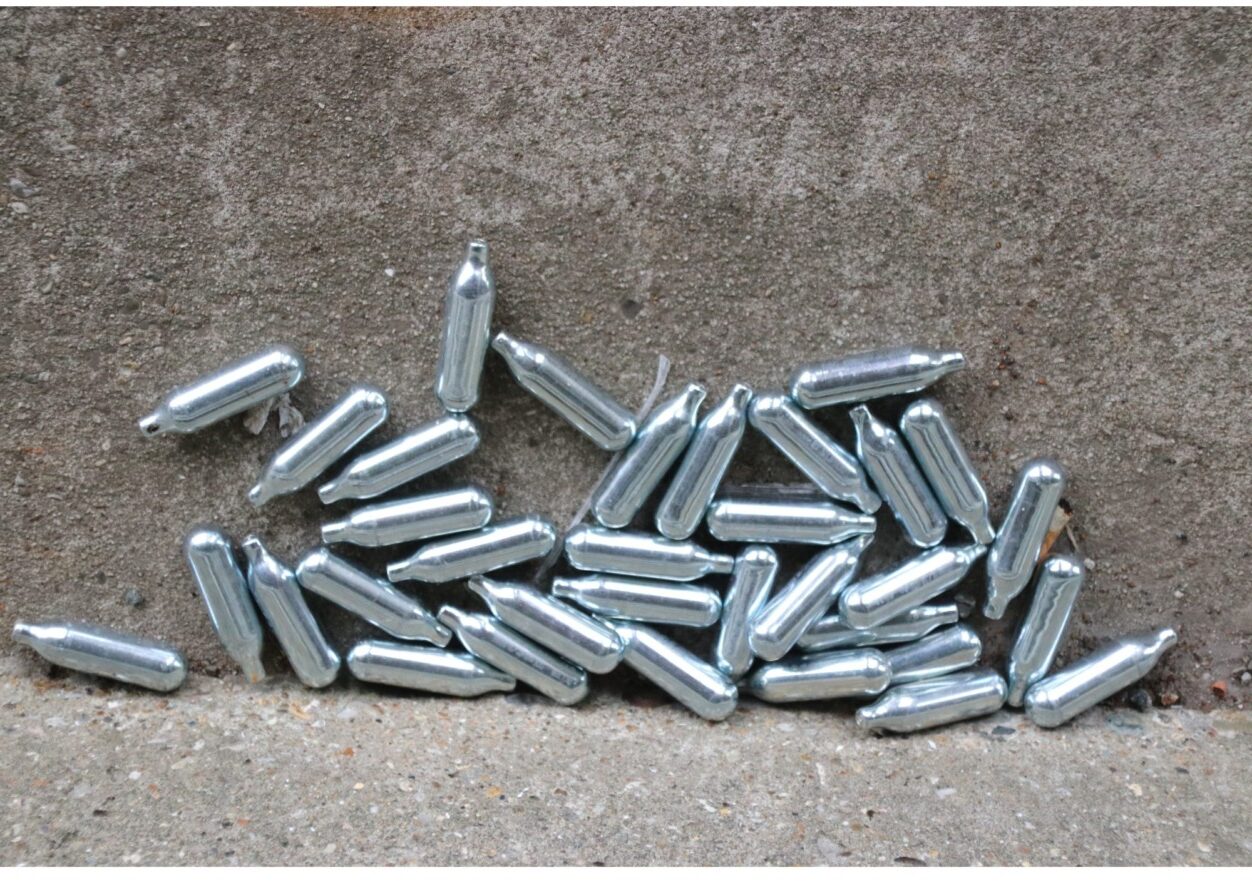
Whippets, or chargers, are little metal canisters of nitrous oxide that are made to be attached to dispensers to make whipped cream. Abusers go through piles of whippets, inhaling directly from the charger to get their high.
Recreational use of nitrous oxide has existed for decades, but the introduction of larger, more accessible canisters, as well as viral social media posts promoting the product, contributed to a recent surge in nitrous oxide popularity.

Get help for drug and alcohol use related struggles. As easy and clear as it can get.
Are you ready to be given a new chance at health and happiness? Has going it alone not been working? Perhaps you’re concerned about a loved one and want to support them in obtaining the help they need to get better?
Wellbrook Recovery has extensive experience and expertise assisting individuals with all types of substance abuse struggles. Providing compassionate and cutting-edge, multi-pronged addiction recovery care at our beautiful, upscale facilities.
Our highly regarded, expert team of multi-licensed therapists and specialists will make your success their own and will hold your hand throughout, regardless of where you currently at. We’ve done it hundreds of times, helping individuals and families reclaim their lives, their confidence, and their smiles.
Just reach out.
We’ll walk you through the simple admission process and answer any and all questions.
We understand that addiction affects everyone differently, which is why we offer a range of treatment options designed to meet your individual needs. Our treatment center provides the following programs:
- Drug & Alcohol Detox: Detoxification is often the first step in recovery. Our facility provides medically supervised detox to help clients safely manage withdrawal from drugs or alcohol in a supportive environment.
- Inpatient Drug Rehab: Inpatient treatment offers a structured environment so clients can focus on recovery free from distractions. It’s ideal for those at the beginning of their recovery journey who need intensive, around-the-clock care to overcome addiction.
- Day rehab – Partial Hospitalization Program (PHP): As clients transition from inpatient care to a more independent lifestyle, PHP gives them the support they need as they continue on their road to recovery. By spending much of the day in rehab but the evenings at home, clients reinforce the life and recovery skills they learned during inpatient treatment.
- Outpatient Treatment Programs (Day/Evening): For those who need more flexibility, outpatient programs allow clients to continue living at home while attending treatment on a part-time basis.
We incorporate both evidence-based therapies and holistic approaches to ensure that each client receives the most effective care. We specialize in treating substance use disorder, alcohol addiction, and co-occurring mental health issues. Wellbrook Recovery believes in treating the whole person, not just the addiction. Our services go beyond detox and inpatient care to ensure a complete recovery process:
- Mental Health Support: Addiction often co-occurs with mental health disorders such as anxiety, depression, trauma and PTSD. Our team of mental health professionals works closely with clients to treat both the addiction and any underlying mental health issues.
- Behavioral Therapy: We utilize proven behavioral therapies such as CBT, DBT, IFS, EMDR, Biofeedback, Music Therapy, Art Therapy, among other advanced therapies to help individuals address the root causes of addiction, develop coping skills, and make lasting changes in their lives.
- Support Groups: Our support groups provide individuals with the opportunity to connect with others who are going through similar struggles. Peer support is an essential part of the recovery journey.
- Family Programs: Addiction impacts not only the individual but also their loved ones. Our family programs educate and support families, helping them to rebuild relationships and provide ongoing support.
- Alumni & Aftercare: We have a network of our close-knit alumni community, with events and support to stay in touch with your recovery and “battle brothers & sisters” from your time in treatment.