Is kratom legal in Wisconsin? What about 7-hydroxymitragynine (7-OH)? The short answer is no, they’re not, and the long answer tells the story of one of the country’s toughest kratom bans. While many states are moving toward regulating kratom through consumer protection laws, Wisconsin still classifies it as a Schedule I controlled substance, making it completely illegal to possess or sell.
Table of Contents
- What are kratom and 7-OH?
- What’s the difference between kratom and 7-OH?
- When did kratom and 7-OH become illegal in Wisconsin?
- Why is kratom illegal in Wisconsin?
- The fight to make kratom legal again in Wisconsin
- Did the bill to make kratom legal in Wisconsin pass?
- Will kratom ever become legal in Wisconsin?
- Do Wisconsin residents still use kratom? How do they get it?
- Get Help
What are kratom and 7-OH?
Kratom (mitragyna speciosa) is a tropical plant native to Southeast Asia that has been used for centuries. In small doses, it acts like a stimulant, providing energy, increased focus, and mood boosting, while in larger doses it acts like an opioid, producing pain-relieving and sedative effects. (Nida/NIH)
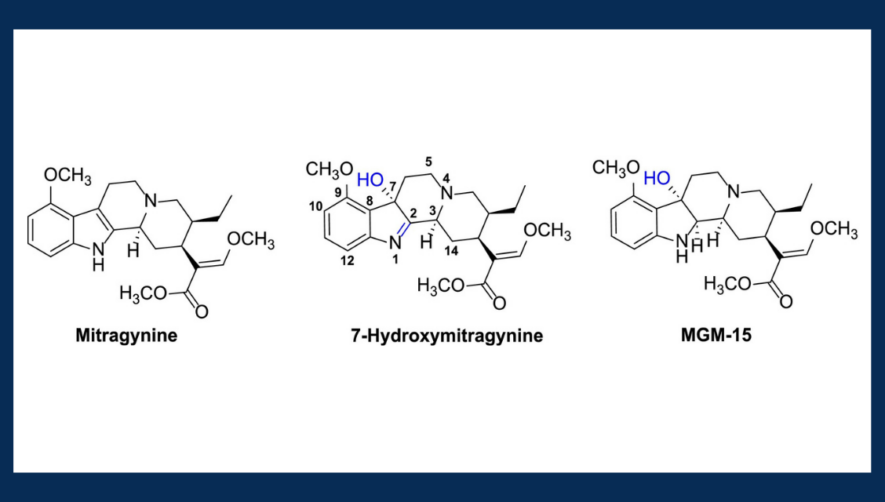
The plant’s effects come from two main alkaloids (natural plant chemicals) : mitragynine and 7-hydroxymitragynine (7-OH).
What’s the difference between kratom and 7-OH?
Kratom’s effects come from its main alkaloid, mitragynine. It works by slightly stimulating parts of the brain that affect energy, mood, and pain. At low doses, it can make users feel more alert and focused, while higher doses can bring pain relief and calmness.
In recent years, Kratom manufacturers have started producing a concentrated version called 7-OH to increase the strength of their products. 7-hydroxymitragynine (7-OH) -the concentrated version, is much stronger and acts directly on opioid receptors, creating stronger pain-relieving and sedative effects. Some 7-OH is sold by itself, while other forms are added to kratom products to increase their effects. 7-OH is often confused with standard kratom, but it is much more potent and carries a significantly higher risk of addiction and risky usage. https://www.fda.gov/news-events/public-health-focus/fda-and-kratom https://www.dea.gov/factsheets/kratom
When did kratom and 7-OH become illegal in Wisconsin?
In December 2013, the 2013 Wisconsin Act 343 to schedule kratom and 7-OH as illegal substances was introduced. It moved quickly through the house and senate, and By April 16, 2013, the bill was law. The bill added both mitragynine and 7-hydroxymitragynine, the two main alkaloids in kratom leaf, to Schedule I of the state’s controlled-substances list.
Wisconsin’s decision came before any federal scheduling action, making it one of the first states in the nation to outlaw kratom’s active compounds.
Why is kratom illegal in Wisconsin?
If a drug has a high potential for abuse, and no accepted medical use, then it is placed as Schedule I. The Wisconsin Controlled Substances Board reviewed kratom’s pharmacology, patterns of use, and public health risks under this criteria, and recommended that the substances be banned.
They raised concerns that its active compounds, mitragynine and 7-hydroxymitragynine, act on the same receptors as opioids and could lead to abuse or dependence. Instead of waiting for a public health crisis to develop, they chose to act quickly and shut it down before it can begin. Once Act 343 took effect, kratom’s key compounds were treated like other Schedule I drugs such as heroin, LSD (acid), and MDMA (ecstasy).
With the passage of the ban, and the growing popularity of Kratom and 7-OH nationally, a fierce and deeply emotional public battle began. The debate eventually influenced lawmakers to take another look at the laws relating to these popular substances.
The fight to make kratom legal again in Wisconsin
In 2023, Wisconsin lawmakers introduced Assembly Bill 393, a proposal to change kratom’s legal status. Rather than continuing the full ban, the bill sought to regulate kratom under a “Kratom Consumer Protection Act,” requiring product testing, labeling, and age restrictions similar to those adopted in Utah and Florida, allowing users to have safe access to Kratom.
Tensions ran high on both sides. Kratom users submitted deeply personal letters how Kratom use is giving them their life back.
Heidi Sykora, a Grafton, Wisconsin women suffering from multiple chronic conditions, wrote “The legal status of kratom in Wisconsin forces me to make difficult choices that no individual seeking relief from chronic pain should have to make. The current law … restricts my …. ability to participate fully in my community and live a stable life….. To access the relief that kratom provides, I must travel to Illinois, where it is legal.”
Billy Griffin, a disabled veteran wrote, “The difference kratom made in my life was nothing short of remarkable. It allowed me to be present and engaged with my family, to enjoy life’s simple pleasures without the looming shadow of pain and anxiety.”
Ila Webster wrote; “I am almost 91 and have compression fractures in my upper and lower spine and chronic pain in my elbows and knees. I cannot take anti-inflammatories due to GI bleeding. I do not tolerate Tylenol. I’m so thankful that I can take Kratom in Illinois…. . Please remove Kratom from the list of controlled substances in Wisconsin and in place support the Kratom Consumer Protection Act.”
Health and medical organizations offered a sharply different message. Groups such as the American Medical Association (AMA) and the Wisconsin Society of Addiction Medicine (WISAM) argued that legalization was premature, and the drug should not be legalized until proper scientific studies are done.
In a letter to the Legislature, James L. Madara, MD, CEO of the AMA, writes that “The AMA opposes the sale, marketing or prescribing of kratom until such time that it undergoes thorough research, clinical trials, evaluation, and other processes as established by the U.S. Food and Drug Administration (FDA) and further evaluation under the Controlled Substances Act.”
Did the bill to make kratom legal in Wisconsin pass?
In April 2024, Assembly Bill 393 failed to pass. The bill attempted to loosen some restrictions on kratom. Supporters were deeply disappointed, while health officials celebrated another win for public safety. For now, Wisconsin remains one of only six states with a complete kratom ban, but the debate over whether regulation might be safer than prohibition continues.
Supporters of kratom reform argue that prohibition drives the market underground, leading to untested and potentially unsafe products. They point to states where kratom is regulated rather than criminalized and where labeling and testing requirements have reduced contamination risks.
Opponents maintain that until federal health agencies approve kratom for medical or dietary use, Wisconsin should keep its ban in place. They argue that 7-OH’s opioid-like potency and reports of dependency make the plant too risky to be sold without comprehensive data on its’ effects.
Will kratom ever become legal in Wisconsin?
As of this writing, there are no active bills in Wisconsin to legalize or regulate kratom. Advocacy groups such as the American Kratom Association (AKA) continue to lobby for reform, while medical and addiction-treatment organizations continue to oppose it.
With national research expanding and other states adopting regulatory frameworks, the future of kratom in Wisconsin will likely depend on the outcome of this research- is Kratom and 7-OH actually a safer, healthier alternative to opioids, or is it just another drug, starting another opioid crisis.
Until then, kratom and its potent alkaloid 7-OH remain fully illegal in Wisconsin, and possessing it can lead to criminal charges.
Do Wisconsin residents still use kratom? How do they get it?
As kratom use gained popularity nationwide it earned a reputation as a natural alternative for chronic pain relief, anti-depressant and anxiety, and to relieve opioid withdrawal symptoms.
Many Wisconsin residents, some desperate for more natural pain relief and mood boosting options, were already using this substance before the ban. Others learned about its purported benefits from others in states that have not banned it. Once the ban went into effect, many continue to cross state lines to get their kratom.
Get Help
If you or a loved one in Wisconsin is battling a kratom or 7-OH addiction, Wellbrook Recovery is here to help you.
Our Wisconsin rehab center provides:
- 24/7 medically supervised detox
- Residential longer-term inpatient care
- Individualized treatment programs
- Therapy for co-occurring mental health conditions
- Long-term recovery support
Recovery is possible. Call us today for compassionate, confidential help.