

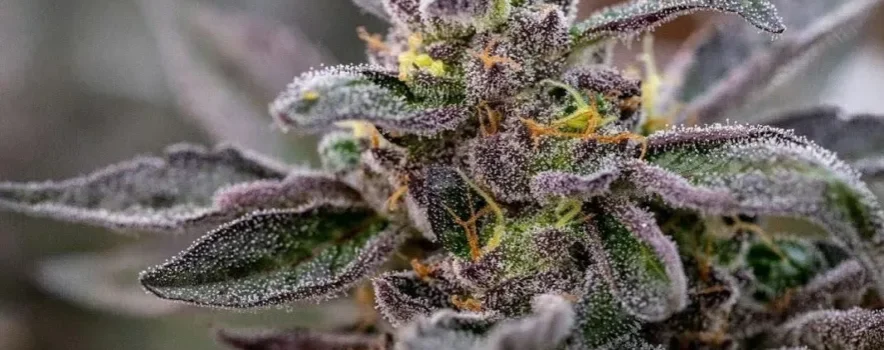
Marijuana withdrawal can feel overwhelming, but understanding what to expect can make the process more manageable. When regular or heavy cannabis use stops, the body and brain need time to readjust. This can trigger physical and emotional symptoms such as irritability, anxiety, sleep disturbances, and cravings.
Drawing on our experience, WellBrook Recovery offers this guide so users and their loved ones can learn about the most common marijuana withdrawal symptoms, understand what to expect, and discover strategies to ease the process.
Table of Contents
- Key Takeaways on Marijuana Withdrawal
- What is Marijuana Withdrawal?
- How Prevalent Is Marijuana Withdrawal in Cannabis Users?
- Understanding the Causes of Marijuana Withdrawal
- What Are the Withdrawal Symptoms of Marijuana?
- Marijuana Withdrawal Timeline: What to Expect
- Effective Strategies for Managing Marijuana Withdrawal
- Building a Recovery Support Network
- Frequently Asked Questions About Marijuana Withdrawal
Key Takeaways on Marijuana Withdrawal
- Marijuana withdrawal occurs after stopping regular cannabis use.
- The most common symptoms of withdrawal are irritability, anxiety, and sleep disturbances.
- Withdrawal often follows a predictable pattern, with symptoms peaking during the first week and gradually easing within three to four weeks.
- Although the experience can feel overwhelming, marijuana withdrawal is not physically dangerous, and your body will adjust over time.
- Withdrawal can also indicate that cannabis use is affecting your well-being, and professional support may help clarify next steps.
What is Marijuana Withdrawal?
Marijuana withdrawal, known clinically as cannabis withdrawal syndrome, refers to the physical and emotional symptoms that affect someone who has stopped regular marijuana use. Everyone experiences marijuana withdrawal differently, and while it can be extremely uncomfortable and affect mood, motivation, sleep, and overall functioning, it is not physically dangerous. Symptoms typically resolve on their own as the body gradually readjusts.
How Prevalent Is Marijuana Withdrawal in Cannabis Users?
An analysis summarized by the Cleveland Clinic, involving more than 23,000 people, found that approximately 47 percent of individuals who used marijuana regularly, often daily or near daily, experienced withdrawal symptoms.
As cannabis potency has increased, withdrawal has become more common. Research shows withdrawal is more likely among individuals who use marijuana daily, use high-potency products such as concentrates or dabs that may contain THC levels as high as 80 percent, or have other substance use disorders. People with certain mental health conditions, including post traumatic stress disorder, may experience more severe withdrawal symptoms.
Understanding the Causes of Marijuana Withdrawal
How THC Affects the Brain and Leads to Dependence
THC, the chemical in cannabis that causes the euphoric high, binds to and activates brain receptors involved in mood, sleep, appetite, and stress regulation, instead of the body’s naturally produced hormones. Regular marijuana use changes how these systems function. When someone stops using THC, the body needs time to return to its natural balance without the drug.
Over time, the brain requires larger amounts of cannabis to achieve the same effect because these receptors become less sensitive and develop a tolerance to THC. This increase in use raises the risk of developing dependence or cannabis use disorder, making it harder to stop even when use begins to disrupt daily life.
The Role of Frequency and Quantity of Use in Withdrawal Severity
The brain regulates key neurotransmitters, but when you use THC repeatedly, THC repeatedly stimulates receptors that influence mood, reward, and stress, and your brain adapts to that external input. You reduce your own production of dopamine and other natural mood-related chemicals over time because your brain comes to expect THC to activate those pathways.
When you stop using marijuana, your brain’s chemical systems initially operate below normal levels without THC, which causes discomfort, mood swings, irritability, sleep disruption, and cravings until your regulation improves.
You experience more severe withdrawal if you use cannabis more often, use stronger THC products, and use it for a longer time. With dependence, your body stays tuned to the old dose, so even a small change in the amount you take can produce a much larger change in effect until your system readjusts.
Post-Acute Withdrawal Syndrome (PAWS): What It Entails
After the acute withdrawal phase, some people may experience Post-Acute Withdrawal Syndrome (PAWS), a stage in which psychological and emotional symptoms can persist for months. This is because it’s an ongoing adjustment of the brain to life without THC.
Common PAWS Symptoms Include:
- Difficulty concentrating, poor memory, or foggy thinking
- Irritability, aggression, or mood swings
- Anxiety, panic attacks, or heightened stress sensitivity
- Depression, lack of motivation, or apathy
- Fatigue or low energy
- Poor impulse control
- Alcohol or other drug cravings or related dreams
What Are the Withdrawal Symptoms of Marijuana?
Withdrawal symptoms vary from person to person. How long marijuana withdrawal lasts depends on factors such as usage, metabolism, and mental health. Most symptoms fade within 2–4 weeks. Some individuals experience manageable discomfort, while others find symptoms interfere with their daily lives. Withdrawal from synthetic marijuana may produce similar symptoms but can sometimes be more intense or unpredictable. Everyone’s timeline will be slightly different.
Key Physical Symptoms Experienced During Withdrawal
Physical symptoms experienced during withdrawal can include:
- Sleep difficulty (e.g., insomnia, disturbing dreams)
- Decreased appetite or weight loss
- Restlessness
- Physical discomfort such as abdominal pain, headaches, tremors, sweating, chills, or fever
Sleep disruptions, such asmarijuana withdrawal night sweats, often cause the greatest distress because they affect mood, concentration, and stress tolerance, and can increase the risk of relapse during early recovery.
Psychological Symptoms Associated With Marijuana Withdrawal
Marijuana withdrawal can involve a range of psychological symptoms, including:
- Irritability, anger, or aggression
- Anxiety
- Low mood/depression
- Difficulty concentrating
- Cravings for marijuana
These symptoms reflect temporary changes in the brain’s stress and reward systems and do not indicate a lack of effort, motivation, or commitment.
Marijuana Withdrawal Timeline: What to Expect
Everyone experiences withdrawal differently. This table shows a typical marijuana withdrawal timeline to help you anticipate what to expect.
| Marijuana Withdrawal Phase | Timeframe | Common Withdrawal Symptoms | Notes |
| Initial withdrawal | First 24–48 hours | – Irritability- Anxiety- Insomnia | Sleep problems often start here and can be a major trigger for relapse. |
| Peak withdrawal | Days 3–7 | – Intense cravings for cannabis – Sweating – Chills – Stomach pains – Fatigue- Irritability | Symptoms usually reach their peak during this phase. |
| Subacute symptoms | Weeks 2–4 | – Depression – Cravings | Most symptoms resolve by week 3 as THC is excreted from fat cells. Sleep disturbances and occasional anxiety may persist up to 30–45 days. |
| Lingering / Post-acute symptoms | After week 4 | – Occasional anxiety- Sleep disruption | Symptoms generally improve over time with support. |
Preventing Marijuana Withdrawal Symptoms
Strategies to Minimize Withdrawal Risks Before Quitting
Some individuals benefit from a structured marijuana detox, which provides clinical monitoring during early withdrawal. Medical detox provides clinical monitoring during early withdrawal, while residential treatment enables stability within long-term recovery. These forms of structured care are often most helpful when withdrawal symptoms are expected to be severe or when previous quit attempts have been difficult. Gradually tapering off marijuana gives your brain time to adjust, rather than being shocked by the sudden absence of THC. These strategies reduce the risk of relapse and make withdrawal more manageable.
The Significance of Tapering Versus Abrupt Cessation
Having a clear action plan and understanding what withdrawal looks like in practice makes it more manageable. Gradually tapering off gives your brain time to adjust, rather than being shocked by the sudden absence of THC. This allows neurotransmitters to regain balance over time, creating a smoother, more manageable transition into abstinence.
Effective Strategies for Managing Marijuana Withdrawal
Quitting marijuana can trigger a range of symptoms, but there are strategies to ease the process. These strategies can support recovery but do not replace professional care when it is needed. Once withdrawal begins, focusing on daily self-care and routine can help stabilize both body and mind. Managing withdrawal can start with small daily actions that build stability and structure in your life and regain agency. Therapy and support systems teach you to notice triggers and shift thoughts like ‘I can’t do this’ into ‘I’m handling this one day at a time.’ Practicing this for even five minutes each day can make a meaningful difference.
Light to moderate exercise is a huge mood booster, getting endorphins pumping around your body, which regulate mood, improve sleep, and reduce stress hormones. Studies show that regular exercise can support recovery from marijuana withdrawal by improving mood and reducing stress. Even less intensive activities such as walking, stretching, or yoga can be helpful during early withdrawal.
Importance of Nutrition and Hydration During Recovery
Staying hydrated is especially important during withdrawal, as it can help ease physical discomfort. Simple strategies, such as adding lemon to water, can make hydration easier. Including lean proteins, fruits, vegetables, and whole grains in your diet helps provide energy and support healing. Small, frequent meals throughout the day can make it easier to eat if you experience nausea or a reduced appetite.

Building a Recovery Support Network
Family, friends, and even the community can provide crucial support during marijuana withdrawal. They can celebrate milestones or offer encouragement, and they can step in when cravings or setbacks arise. Feeling connected also helps regulate your nervous system, keeping you calmer and more resilient.
Research shows that strong social support improves recovery outcomes and lowers the risk of relapse. Support groups and 12-step programs connect you with others facing similar challenges, giving you opportunities to share experiences and stay motivated through mutual understanding.
However, while this kind of social support is essential, it may not fully address cravings, emotional regulation, or long-standing patterns related to marijuana use.
Professional Therapy and Support for Marijuana Withdrawal
Therapy helps by addressing cravings and emotional regulation, while also examining relationships, work stress, and daily habits that can make quitting marijuana more difficult. Treatment focuses on building practical skills to manage challenges as they arise and support long-term recovery.
At WellBrook, we offer evidence-based therapies, including:
- Acceptance and Commitment Therapy (ACT)
- Motivational Interviewing
- Rational Emotive Behavior Therapy (REBT)
- EMDR
- Internal Family Systems therapy
Our care is personalized to your history, mental health, and needs. Clinicians combine education, structure, therapy, and monitoring to help you manage withdrawal and rebuild routines. When appropriate, loved ones are included to strengthen long-term support.
Navigate Marijuana Withdrawal with WellBrook Recovery
With support, you can focus on taking back control and on rebuilding your life, without feeling overwhelmed.
At WellBrook Recovery, we help individuals understand what marijuana withdrawal involves and how to manage it safely. We are with you, every step of the way.
If you are concerned about marijuana withdrawal for yourself or someone close to you, our team can help you explore appropriate treatment options reach out to us for guidance and support. You don’t need to manage withdrawal alone.
Frequently Asked Questions About Marijuana Withdrawal
How long do marijuana withdrawal night sweats last?
Night sweats often appear early in withdrawal and are most noticeable during the first week. For many people, improvement occurs as sleep stabilizes, though mild sweating can persist for up to two weeks.
Can marijuana withdrawal worsen anxiety or depression symptoms?
Yes. Anxiety and low mood may temporarily worsen during withdrawal, especially in those with a history of these symptoms. These changes are typically short-term and improve as the brain adjusts.
Does occasional or recreational marijuana use lead to withdrawal symptoms?
Occasional marijuana use does not usually cause withdrawal. However, difficulty cutting back or experiencing cravings may signal developing dependence and may warrant professional guidance.
When is professional support or a marijuana detox recommended?
Professional support may be helpful for people with daily use, intense symptoms, or co-occurring mental health concerns. Structured care can reduce discomfort and lower relapse risk.
Is relapse possible after marijuana withdrawal symptoms have resolved?
Yes, relapse is still possible even after marijuana withdrawal symptoms have resolved. Triggers such as stress or emotional discomfort can lead to relapse even after withdrawal ends. Ongoing support and healthy routines help maintain recovery.



































































1 Comment
buy backlinks review
nzzevekij smeut tasxmyt dxuu wpcdriqqrtosije