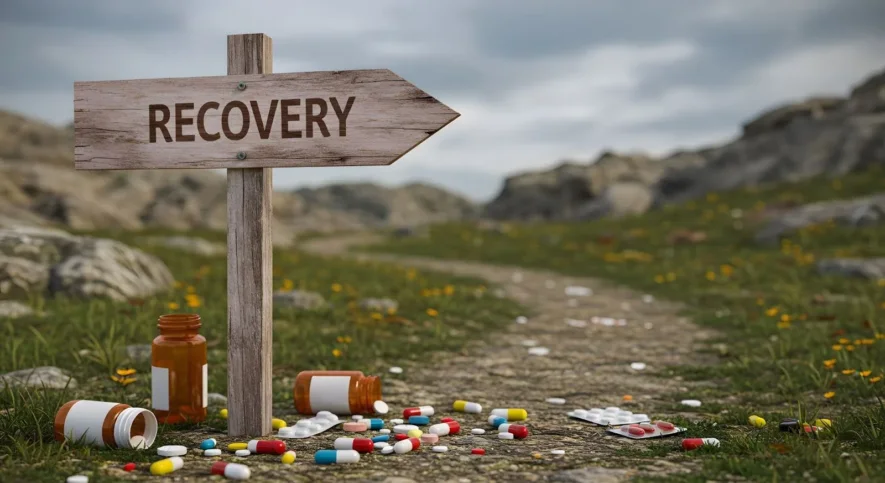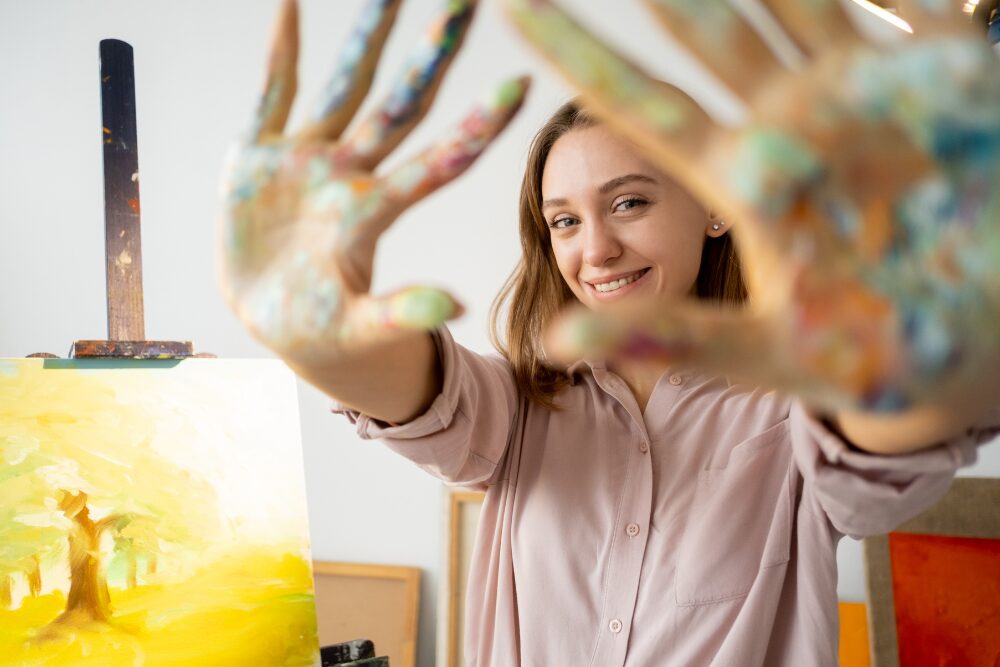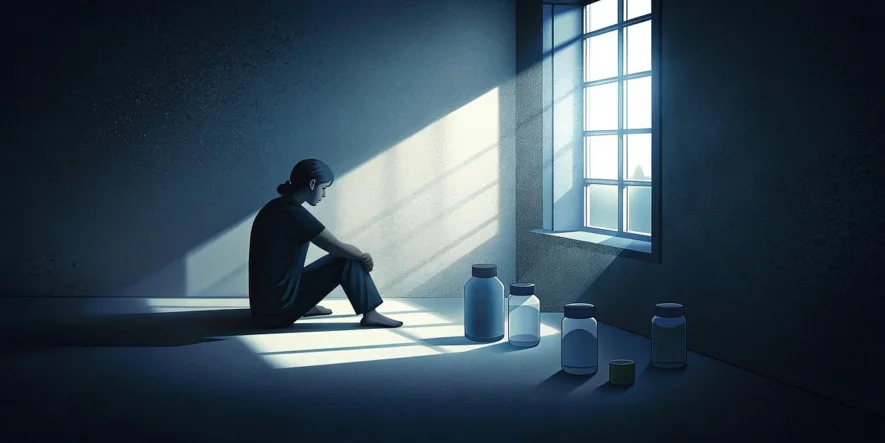
Addiction affects far more than the body – it reaches into a person’s emotions, identity, relationships, and sense of meaning. While traditional treatment methods like counseling, medication, and support groups remain central, many recovery programs now incorporate art therapy as a powerful complementary approach. By using creativity as a pathway to self-understanding and emotional release, art therapy can help individuals heal in ways that talk-based methods alone may not reach. At Wellbrook Recovery, we integrate proven approaches into our programs to provide you with the strongest path to recovery.
Table of Contents
- Key Takeaways on Art Therapy for Addiction Recovery
- What Is Art Therapy for Addiction Treatment?
- The Connection Between Creativity and Healing
- What Are the Benefits of Art Therapy for Substance Abuse?
- How Addiction and Art Affect the Brain
- Art Therapy Prompts for Addiction Treatment
- Embracing Art as a Path to Recovery
- Frequently Asked Questions (FAQs) on Art Therapy for Addiction
Key Takeaways on Art Therapy for Addiction Recovery
- Art therapy for addiction involves engaging in creative activities such as sculpting, painting and drawing under the guidance of a licensed art therapist.
- Art therapy provides a safe, nonverbal way for you to express yourself when words feel inadequate.
- Art therapy helps to reconnect the different parts of the brain, leading to better impulse control and more goal-oriented thinking.
- Some art therapy activities include painting your emotions, creating a collage of your strengths or illustrating your timeline of recovery.
What Is Art Therapy for Addiction Treatment?
Art therapy for addiction is a clinical, evidence-based approach that uses creative activities, such as drawing, painting, sculpting, collage and other forms of visual art, to help you explore and manage your emotions, reduce your cravings, and rebuild your self-confidence during recovery. It’s guided by a licensed art therapist and works alongside other treatments such as counseling, detox, and support groups. Art therapy offers you a safe, nonverbal way to confront difficult experiences, communicate internal states, and reconnect with parts of yourself that addiction may have silenced.
The Connection Between Creativity and Healing
Engaging in creative activities like painting or sculpting helps you enter an “alpha state,” which can reduce stress, increase mindfulness, and boost your mood. These benefits are especially important in addiction recovery, where feelings of guilt, shame, anxiety, and depression are common. Art therapy for drug addiction and alcohol addiction provides a safe way to release these emotions and work through them, which can lower the risk of relapse.
For many people with substance use disorders, addiction can erode a sense of identity and purpose. Participating in creative activities can help rebuild self-worth and empower you on your healing journey. You might even discover a passion for art that becomes a rewarding hobby, career path, or healthy outlet that replaces harmful habits with something positive.
What Are the Benefits of Art Therapy for Substance Abuse?
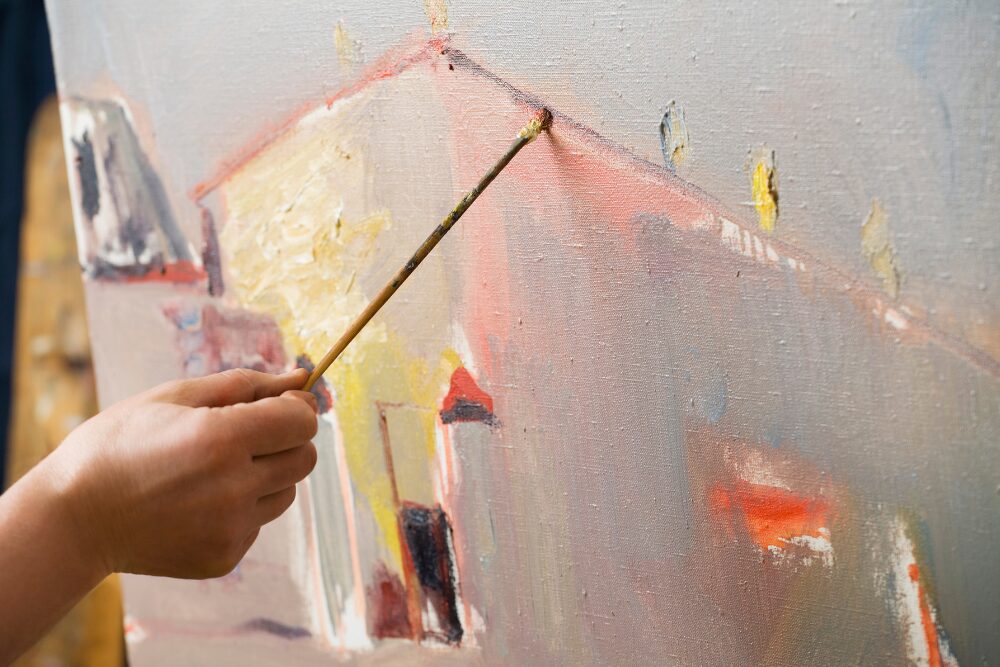
Art therapy has proven highly effective, providing benefits like:
- Art enables expression without words
If you are recovering from trauma or deep emotional wounds, you may struggle to verbally express your feelings of guilt, shame or trauma. It may feel too painful, and words may simply feel inadequate. Art provides a safe, non-verbal outlet to explore and process these complex emotions indirectly. A simple color choice, shape, or symbol can express layers of meaning that words may fail to convey.
- Creating art reduces stress
Your recovery journey can feel incredibly overwhelming at times. Creative activities lower cortisol and activate the brain’s relaxation pathways. Drawing or painting can lower your physiological stress, helping you manage cravings and emotional triggers with healthier tools, as well as making your recovery process not only manageable but enjoyable.
- Art fosters self-awareness and insight
Art therapy encourages reflection. After creating a piece, you can explore its meaning with your therapist, gaining insight into patterns of thought and behavior that fuel addiction, as well as exploring underlying causes of addiction and identifying personal triggers. Addressing foundational problems such as unresolved traumas or comorbid mental health conditions helps you build a healthier future with a stronger sense of self-awareness.
- Creating art rebuilds your confidence and identity
Addiction often strips away your sense of identity, as well as damaging your self-esteem. Creating art – something tangible, personal, and meaningful – empowers you and helps you reconnect with your strengths and inner voice, supporting the rebuilding of your confidence and self-worth.
- Artistry provides a healthy outlet
Instead of turning to substances to cope, you learn to use creative expression to manage stress and navigate difficult emotions. Art becomes a constructive release valve for frustration, sadness, and tension. Engaging in artistic activities also prevents boredom, which is a known relapse trigger.
How Addiction and Art Affect the Brain
Addiction is a disorder, and people with substance use disorders often have complex brain challenges. Art therapy can support healing in deeper ways than talk-based therapies alone.
Using Art Therapy to Improve Cognitive Function
Research shows that communication between key brain networks is often weaker in people with alcohol or opioid use disorders. This can affect attention, self-awareness, and decision-making. Art therapy activates these brain networks through movement, sensory input, and creative thinking, helping them work together more effectively. Over time, this can support better impulse control and more goal-focused thinking, which are both essential for recovery.
Relapse is often triggered by cravings and the brain’s tendency to remember only the pleasurable effects of substances. The new and engaging sensory experiences involved in making art can stimulate natural dopamine release. This helps the brain relearn how to feel motivated and rewarded by healthy, non-drug experiences, reducing reliance on substances.
Art Therapy for Recovery: Relieving Trauma and Stress
Traumatic memories are often stored as sensations or images rather than words, which can make them hard to access or talk about. Creative activities like art help calm the mind while gently bringing these memories to the surface in a safe way.
Art therapy allows people to express difficult experiences through images instead of language, making them easier to process without becoming overwhelmed. Focusing on the act of creating also helps prevent emotions from feeling too intense.
Because addiction often follows the same rigid patterns, the creativity and unpredictability of art can be especially healing. Over time, pairing difficult memories with creative expression can reduce emotional reactions and help people cope with stress without turning to substances.
Art Therapy as a Communication Tool in Recovery
Many people with substance use disorders also struggle with communication or thinking skills, often due to past brain injuries or learning difficulties. In fact, up to 80% of people with SUDs have a brain injury that has a destabilizing effect on mental health and recovery, hampering their utilization of addiction treatment. These challenges can make traditional talk therapy frustrating and less effective.
Art therapy for recovering addicts offers another way to express thoughts and emotions without relying only on words. Through creating art first and talking about it afterward, people can communicate things they might not be able to explain in conversation. This can reduce frustration, improve social skills, and support emotional healing.
Learning differences like ADHD are also common among people in recovery and can make it hard to stay focused in standard therapy sessions. Including art therapy in treatment can help people stay engaged, build confidence, and improve their chances of long-term recovery.
Art Therapy Prompts for Addiction Treatment
There are various art therapy prompts that can aid in addiction recovery by unlocking your inner creativity and fostering healing. Here are some art therapy ideas for addiction recovery you may encounter in art therapy sessions.
Create a Vision Board
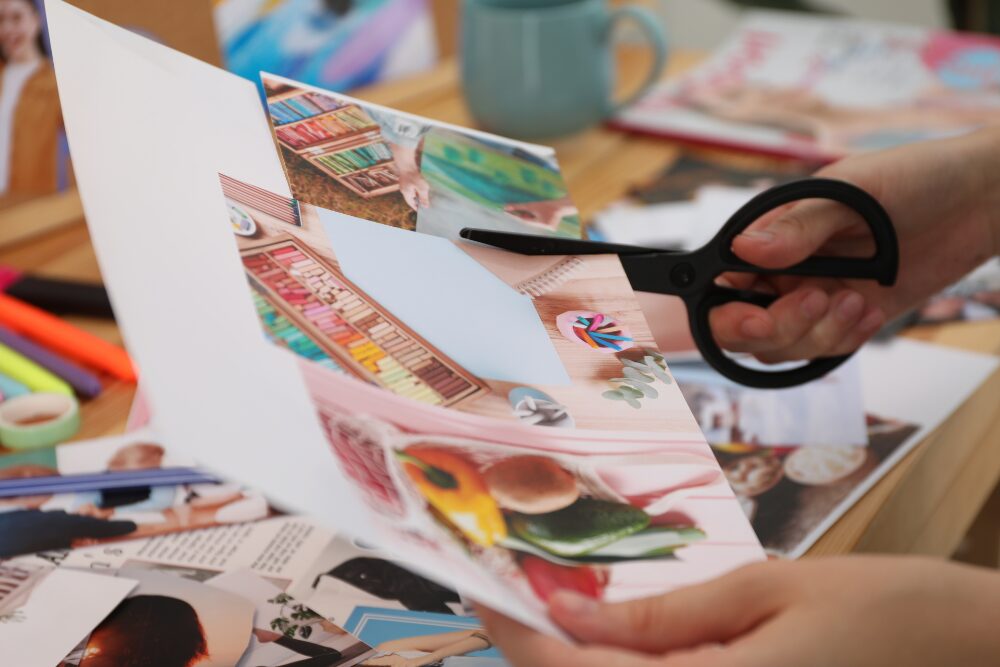
This exercise involves creating a collage to represent your personal dreams and goals. You receive magazines and newspapers, then cut out words, phrases, and images that reflect what matters to you. Arrange and glue them onto a large piece of paper or cardboard in a way that feels right. Searching for images and words often uncovers hidden desires you might not have been fully aware of. The finished vision board can provide hope and motivation during your recovery, helping you focus on your future goals and aspirations.
Paint Your Emotions
This activity involves you expressing your current emotions through shapes and colors. You use watercolors or acrylics to paint on canvas or paper the shapes and colors that represent your current emotions. Don’t worry about the final product – allow yourself to paint freely and focus on complete honesty in your emotional expressions. Externalizing your feelings in a calm way provides insight into your emotions and helps you process them.
Collage of Strengths
The goal of creating a collage of strengths is to help you recognize and celebrate your personal strengths and qualities. You collect newspapers and magazines and cut out images, words and phrases that you feel best represent your qualities, strengths and abilities. Addiction can lower your self-esteem, so highlighting all your strengths can reinforce a positive self-identity and boost your self-worth.
Create Artwork About Addiction Timeline
You illustrate your personal recovery journey – from early life experiences to addiction to the hope of a healthier future. You draw a timeline on a large piece of paper, marking on it all significant milestones and events in your journey. You should use symbols and colors that hold personal meaning for the different phases. Creating a visual journey provides perspective to help you understand the past, acknowledge and celebrate your growth and progress, and envision your future goals.
Embracing Art as a Path to Recovery
At WellBrook Recovery, we believe in the power of creative expression to support healing and recovery. Our art therapy for adults with addiction provides a safe, supportive environment where you can explore your emotions, process past experiences, and develop healthier coping strategies. Led by experienced, licensed art therapists, our programs complement traditional addiction treatments, helping you build self-awareness, reduce stress, and strengthen your resilience. Take the first step toward a more balanced, fulfilling life – contact us to join our art therapy sessions and discover a new path to recovery.
Frequently Asked Questions (FAQs) on Art Therapy for Addiction
Does art therapy for addiction complement other therapies?
Art therapy is not a standalone treatment for addiction. It works best when combined with other therapies. By addressing emotional, psychological, and creative elements of healing, art therapy helps individuals build a well-rounded foundation for long-term recovery.
How is art therapy different from regular counseling?
Art therapy enables you to access parts of your brain that verbal therapy can’t reach. Trauma and other memories of addiction are often stored non-verbally. The creative expression of art therapy allows you to process these experiences without the re-traumatization that can occur with regular, talk-only approaches.
Is art therapy evidence-based?
There have been numerous studies proving the positive effect art therapy has on the different parts of the brain and their interconnectedness. While more large-scale studies are needed, it is widely accepted as a supportive treatment within integrative addiction programs.
Do I need to be good at art to do art therapy?
Absolutely not. Art therapy focuses on expression, not skill or aesthetics. The process of creating is what matters, not the final product.
Who can benefit from art therapy for addiction?
Anyone struggling with substance use disorders can benefit, including those in recovery, early intervention, or relapse prevention. It’s also helpful for co-occurring mental health conditions like anxiety, depression, or trauma.
How long are art therapy sessions?
Art therapy sessions typically last 45–60 minutes, but this can vary depending on the program or therapist. Some individuals participate in weekly sessions, while others attend multiple times per week during intensive treatment.