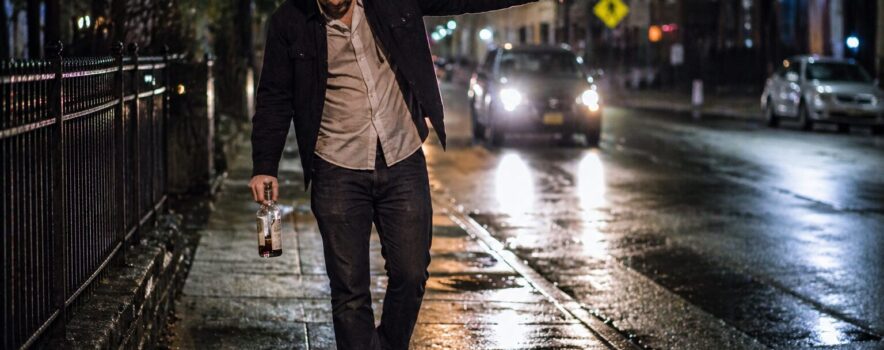
Nearly half of fatal pedestrian accidents involve alcohol, and in majority of those cases, it’s the pedestrian, not the driver who was intoxicated. Drunk walking is an overlooked risk in drinking and is rarely reported or emphasized in public safety messages, despite clear evidence of the dangers of walking drunk.
Alcohol is killing pedestrians, and it’s the walkers that are drunk
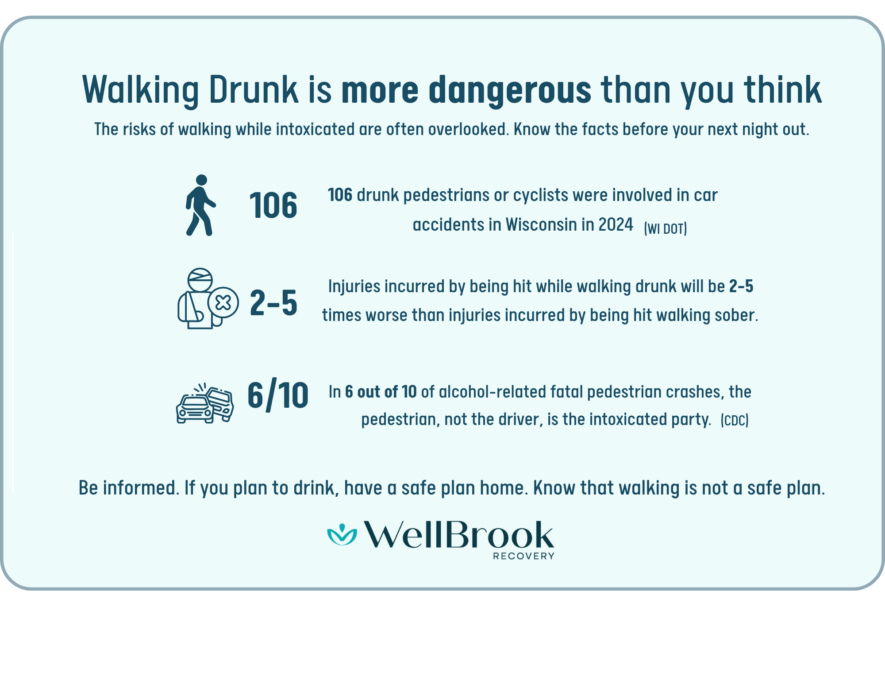
The CDC reports that alcohol is involved in 48% of fatal pedestrian crashes. What’s notable about this finding is the breakdown: only 18% of the time is it the driver that was intoxicated, and 30% of the time it’s the pedestrian that was under the influence.
That means that when alcohol is involved in a fatal pedestrian crash, it’s more likely to be the pedestrian, not the driver (!) who is intoxicated. Walking drunk is dangerous and puts you at risk of being involved in a fatal accident.
When hit, intoxicated pedestrians will suffer harsher injuries
Not only are intoxicated pedestrians likely to be involved in a motor vehicle accident, a study published in Prehospital and Disaster Medicine finds that pedestrians struck by vehicles when they are intoxicated will have injuries two to five times worse than in those struck while sober.
So drunk walking doesn’t just increase your chance of being killed, it also dramatically increases your chances of being seriously injured.
Drunk walking in Wisconsin- some shocking numbers
Wisconsin DOT 2024 crash data contained some inconsistencies. Stephanie Voller, Program and Policy Analyst – Advanced, at WisDOT, in a private communication with Wellbrook Recovery, explained why- that in Wisconsin, in 2024, 106 alcohol-related car accidents involved a drunk pedestrian or cyclist, not a motorist. 18 drug-related accidents involved impaired pedestrians or cyclists.
These numbers are small in comparison to the number of crashes caused by impaired drivers, but they’re significant. They tell us that walking while intoxicated is not only conceptually dangerous- it actually has caused drunk walkers to be involved in car accidents.
Why Are There So Many Drunk Pedestrians Being Hit?
The rise of e-bikes and e-scooters has dramatically expanded the population of vulnerable, unprotected road users facing alcohol-related risk on our roads. According to a 2024 study published in the American Journal of Public Health, powered scooter injuries had the highest proportion of alcohol involvement of any micro-mobility device — higher than e-bikes, bicycles, or hoverboards. Like drunk pedestrians, drunk scooter riders have no protective shell, poor visibility, and no chance against a car. And as micro mobility use continues to surge — emergency department visits related to these devices more than doubled between 2017 and 2023 — the number of intoxicated vulnerable road users being killed or injured is likely growing with it.
Why is walking drunk so dangerous?
Picture the typical urban traffic scene. Cars swerving, buses stopping on and off, beeping and shouting. Rain, fog, dusk, or darkness impairs visibility. Everyone is rushing, running, going, coming. Staying safe as a pedestrian depends on quick judgment and constant awareness of your surroundings.
And alcohol disrupts those abilities in several key ways:
Poor Judgment of Distance and Speed
Alcohol reduces a person’s ability to judge how fast a vehicle is moving and how far it is from them. On busy urban streets, this makes them likely to cross in front of a moving vehicle, dash past a bus, or cross the street when a truck is too close to stop.
Impaired balance and coordination
Intoxicated, a person’s ability to balance is thrown off. This makes them prone to stumbling on obstacles, tripping on the curb, and potentially falling onto the road, directly into the line of traffic.
Reduced reaction time
Alcohol slows the brain, taking the brain longer to respond to danger. By the time an intoxicated brain processes the car swerving in front of them, the bus passing by, or the light that changed, it may just be too late. Fatally too late.
Unawareness of surroundings
People walking drunk might be in a stupor, completely unaware of everything going on around them. They might not completely notice street signs, approaching vehicles, road signs, or ditches.
How can you stay safe when walking drunk?
First, know the dangers of walking drunk. Don’t assume it’s a safer alternative to driving. A Freakonomics analysis concludes that while driving drunk puts everyone on the road near you in danger, walking drunk puts you in greater danger.
Then, take proper precautions —if you know you’ll be drinking, plan to have someone sober escort you, call a cab, or get a sober ride home.
Is drunk walking illegal?
Some states have laws penalizing being intoxicated in public while in other states, like Wisconsin, you can only be incriminated for what you do while drunk. For more info, see our guide of public intoxication laws by state.
Legal or not, drunk walking can seriously injure or kill
Regardless of whether you can get arrested in your state for walking drunk, by walking intoxicated, because of alcohol on your mind and body, you can get seriously injured or killed. Know the risks, and don’t do it.
If drunk walking is happening often, it may be time to get help
Planning a safe ride home is good advice. But if you or someone you love is regularly drinking to the point where judgment, coordination, and safety are compromised, the real issue may go deeper than transportation planning. Alcohol use disorder is a medical condition, and it is treatable.
Are you ready to be given a new chance at health and happiness? Be your true best self? Has going it alone not been working? Perhaps you’re concerned about a loved one and want to support them in obtaining the help they need to get better?
Wellbrook Recovery has extensive experience and expertise assisting individuals with all types of substance abuse struggles. Providing compassionate and cutting-edge, multi-pronged addiction recovery care at our beautiful, upscale facilities.
Our highly regarded, expert team of multi-licensed therapists and specialists will make your success their own and will hold your hand throughout, regardless of where you currently at. We’ve done it hundreds of times, helping individuals and families reclaim their lives, their confidence, and their smiles.
Just reach out.
We’ll walk you through the simple admission process and answer any and all questions.
We understand that addiction affects everyone differently, which is why we offer a range of treatment options designed to meet your individual needs. Our treatment center provides the following programs:
Drug & Alcohol Detox: Detoxification is often the first step in recovery. Our facility provides medically supervised detox to help clients safely manage withdrawal from drugs or alcohol in a supportive environment.
Inpatient Drug Rehab: Inpatient treatment offers a structured environment so clients can focus on recovery free from distractions. It’s ideal for those at the beginning of their recovery journey who need intensive, around-the-clock care to overcome addiction.
Day rehab – Partial Hospitalization Program (PHP): As clients transition from inpatient care to a more independent lifestyle, PHP gives them the support they need as they continue on their road to recovery. By spending much of the day in rehab but the evenings at home, clients reinforce the life and recovery skills they learned during inpatient treatment.
Outpatient Treatment Programs (Day/Evening): For those who need more flexibility, outpatient programs allow clients to continue living at home while attending treatment on a part-time basis.
Wellbrook Recovery believes in treating the whole person, not just the addiction. Our services go beyond detox and inpatient care to ensure a complete recovery process:
- Mental Health Support: Addiction often co-occurs with mental health disorders such as anxiety, depression, trauma and PTSD. Our team of mental health professionals works closely with clients to treat both the addiction and any underlying mental health issues.
- Behavioral Therapy: We utilize proven behavioral therapies such as CBT, DBT, IFS, EMDR, Biofeedback, Music Therapy, Art Therapy, among other advanced therapies to help individuals address the root causes of addiction, develop coping skills, and make lasting changes in their lives.
- Support Groups: Our support groups provide individuals with the opportunity to connect with others who are going through similar struggles. Peer support is an essential part of the recovery journey.
- Family Programs: Addiction impacts not only the individual but also their loved ones. Our family programs educate and support families, helping them to rebuild relationships and provide ongoing support.
- Alumni & Aftercare: We have a network of our close-knit alumni community, with events and support to stay in touch with your recovery and “battle brothers & sisters” from your time in treatment.