

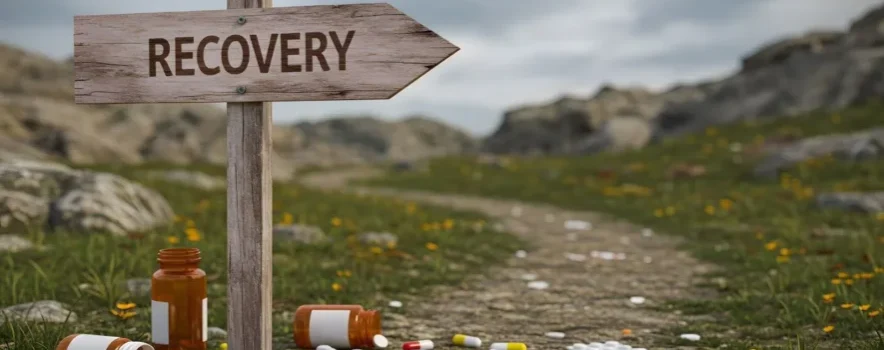
Breaking an addiction typically takes 7 to 14 days for initial physical stabilization, 3 to 12 weeks for early emotional and behavioral recovery, and 3 to 6 months or longer to build consistent, long-term habits. Timelines vary based on the substance, a person’s health, co-occurring conditions, past attempts to quit, and the level of support they receive.
Whether you are struggling with addiction yourself or supporting a loved one who is, you may be feeling uncertain about how to navigate the recovery process. It looks different for everyone, and it’s natural to wonder how long it takes to break an addiction or what a typical addiction recovery timeline looks like. Explore the key stages of addiction recovery in this guide from WellBrook Recovery and get a clearer picture of a realistic breaking-addiction timeline, along with practical steps to support lasting recovery.
Table of Contents
- Key Takeaways
- Understanding Addiction: Why It Takes More Than Willpower To Stop
- A Week-by-Week Breaking an Addiction Timeline
- Recovery by Substance: How Long Does It Take to Quit Alcohol, Opioids, Nicotine, and More
- Factors Affecting How Long Addiction Lasts and Recovery Timelines
- Frequently Asked Questions About Breaking an Addiction
Key Takeaways
- The length of time it takes to break an addiction varies widely depending on the substance, a person’s health, mental health conditions, and level of support.
- Most people stabilize within 7–14 days during the initial withdrawal phase.
- Early recovery, when sleep, mood, and focus begin to improve, typically occurs during weeks 3–12.
- Long-term recovery habits begin solidifying over 3–6 months and beyond.
- Some substances (like alcohol and benzodiazepines) carry medical risks during withdrawal and often require clinical supervision.
- Professional treatment, medications (when appropriate), therapy, and strong peer/community support can shorten the recovery timeline and improve safety.
- Relapse is not a failure. It provides information about what needs to change in the recovery plan.
Understanding Addiction: Why It Takes More Than Willpower To Stop
Addiction can be psychological or physical, or a combination of both. The person may feel they can’t live without the substance, but may not yet be physically addicted. As addiction continues, it can rewire reward, stress, and self-control pathways in the brain. It may cause someone to seek the substance no matter what the consequences.
With physical dependence, the body adapts to the substance; stopping can cause withdrawal symptoms. In the case of psychological dependence, cravings, compulsive thinking, and habit encourage continuing to use the substance, despite the problems it causes.
Because addiction affects the body and brain in complex ways, recovery happens in several stages: withdrawal stabilization, early recovery (skills building), and extended recovery (maintenance and relapse prevention). This can take weeks or months, rather than days.
How Long Does Addiction Last?
There is no single answer to how long addiction lasts, but patterns do emerge. Many people stabilize within the first one to two weeks, move through early recovery during weeks three to twelve, and continue building long-term recovery over the next three to six months and beyond.
Medical risks also differ, as withdrawal from alcohol or benzodiazepines can be dangerous without clinical supervision. Timelines can be shorter with professional care, medication when appropriate, therapy, and peer support. If you relapse, it should be viewed not as failure, but information about what is or isn’t working for you.
A Week-by-Week Breaking an Addiction Timeline
The recovery journey generally moves through three phases: initial withdrawal, early recovery, and extended recovery. Below is a quick overview, followed by a deeper explanation of each stage.
| Phase | Timeframe | What’s Happening | Challenges | What Helps |
| Initial Withdrawal | Days 1–14 | Body sheds the substance; symptoms like anxiety, irritability, insomnia, low mood, sweats, tremors, nausea, aches, and cravings | Sleep disruption, mood swings, strong triggers | Medical detox when appropriate; hydration; nutrition; structured routine; coping tools; clinical oversight for alcohol, benzos, some opioids |
| Early Recovery | Weeks 3–12 | Symptoms ease; brain reward system recalibrates; energy and focus slowly return | Motivation dips, uneven energy, triggers | Craving-management skills; therapy; group support; routines; light exercise; medication support if needed |
| Extended Recovery | Months 3–6+ | Habits stabilize; brain circuits continue healing; focus shifts to goals, family, and long-term stability | Maintaining motivation; relapse risk under stress | Relapse-prevention planning; sleep, nutrition, movement; social support; purpose-building activities |
Recovery by Substance: How Long Does It Take to Quit Alcohol, Opioids, Nicotine, and More
Recovery timelines vary by substance and individual circumstances, so these ranges are general guides. Some withdrawals, like alcohol, benzodiazepines, or certain opioids, require medical oversight. The table below offers a quick overview of typical recovery phases for each substance.
| Substance | Early Stabilization | Early Recovery | Extended Recovery |
| Alcohol | 3–7 days: complications possible, medical supervision advised | Weeks 2–8 for sleep and anxiety to improve | 3–6 months for steadier mood, energy, and focus |
| Nicotine | 3–7 days of peak withdrawal | Weeks 2–4 for cravings to decline with NRT or medication | 2–3 months for urges to become manageable |
| Opioids (oxycodone, heroin, fentanyl) | 4–10 days: body aches, GI upset, insomnia are common | Weeks 2–6: strong benefit from MOUD (buprenorphine, methadone, naltrexone) | 3–6+ months for routines and relapse prevention to stabilize |
| Cocaine & Stimulants (methamphetamine) | 5–10 days: fatigue, low mood, sleep changes | Weeks 2–8: mood regulation and anhedonia improve | 3–6+ months for motivation and reward sensitivity to normalize |
| Cannabis | 3–10 days: irritability, sleep issues, appetite changes | Weeks 2–6: sleep and mood gradually improve | 2–3+ months for habitual cues to fade |
| Benzodiazepines (Xanax, Klonopin) | Weeks, not days: medical taper strongly recommended | Ongoing taper and symptom management | Months for sleep and anxiety circuits to restabilize |
Factors Affecting How Long Addiction Lasts and Recovery Timelines
How quickly recovery progresses depends on several factors. The substance being used, the amount, its potency, and how it’s used can all influence the length of treatment. The duration of use and the number of previous attempts to quit may also affect how long addiction lasts and how quickly stabilization occurs.
Physical and mental health also play a role. Conditions like chronic pain, anxiety, depression, ADHD, or past trauma can influence the pace of progress. Daily circumstances such as housing, work stress, relationships, and other pressures can either support recovery or create additional challenges for you or your loved one. All these factors change how long addiction lasts and how quickly a person stabilizes.
Support is an essential factor in the success and length of recovery. When you or your loved one has access to medical guidance, medication when necessary, consistent therapy, and a network of supportive people, it becomes easier to move forward with confidence and hope.
Treatment Paths That Strengthen and Accelerate Recovery
A medically supervised detox can help keep you or your loved one safe and more comfortable during those first difficult days or weeks. If alcohol or opioid use is involved, FDA-approved medications can ease cravings and lower the risk of relapse.
Therapy also becomes a powerful element of recovery. Approaches such as cognitive-behavioral therapy, contingency management, motivational interviewing, and family therapy can help you or your loved one understand patterns, strengthen motivation, and rebuild the parts of life that matter most.
You also have options regarding the level of support needed. Inpatient or residential programs, partial hospitalization, intensive outpatient care, and regular outpatient sessions all offer varying amounts of structure to provide the right kind of help at the right time. And beyond formal treatment, peer support makes a real difference. Groups like 12-step programs, SMART Recovery, and similar communities give you connection and accountability between sessions, reminding you that neither of you has to face recovery alone.
Common Recovery Challenges: Managing Cravings, Triggers, and Setbacks
Withdrawal and cravings are a normal part of the process, and it helps to expect them rather than fear them. When you have coping skills and a support system in place, you’re far better equipped to get through those moments. Certain people, places, and emotional states can also trigger old habits, so having a plan for high-risk situations can make a meaningful difference. If you hit a setback or even relapse, don’t give up. Look at what happened, adjust your plan, reconnect with your supports, and keep moving forward. Persistence rather than perfection is the key.

Motivation will naturally rise and fall throughout the journey. On harder days, leaning on routines, small rewards, and a strong community can help bring things back into balance for both the person in recovery and those supporting them.
How WellBrook Recovery Offers Support Through Freedom from Addiction
Breaking an addiction takes time, and the timeline differs for everyone. Many factors, including health, substance use history, and daily life circumstances, influence how quickly cravings lessen and new habits take hold. While recovery generally unfolds in stages, the main point is that lasting change develops gradually over weeks, months, or even years.
WellBrook Recovery supports you every step of the way with personalized care, medical oversight when needed, evidence-based therapy, and peer support. With the right guidance, families can respond with confidence, provide meaningful support, and set realistic expectations, while those in recovery gain the tools and encouragement needed to move forward with strength and stability.
Reach out today to connect with a care specialist and take the next step toward recovery and healing together.
Frequently Asked Questions About Breaking an Addiction
How can I measure progress in recovery?
Look for concrete changes. Keep a simple log of sleep, cravings, mood, and meeting/therapy attendance to see trends over time.
How many days does it take to break an addiction?
Most people need more than “a few days.” Expect 7–14 days for early stabilization and several weeks to months to build durable habits.
How long does it take to recover from addiction?
You may see progress in the first month, but recovery usually happens in stages. Sustained recovery usually takes 3–6 months and beyond.
How long does it take to quit alcohol?
Acute withdrawal from alcohol can resolve within a week, but sleep, mood, and energy may take weeks to normalize.
Is relapse part of the process of breaking an addiction?
Relapse isn’t part of the process of quitting an addiction, but it can occur and shows where recovery plans need improvement.
Do I need detox?
Detox is recommended for substances with risky withdrawal (alcohol, benzodiazepines, some opioid cases) or when symptoms are severe. A professional assessment can determine the safest path.
How long does it take to recover from alcohol addiction versus nicotine addiction?
Nicotine often stabilizes within weeks, while alcohol recovery commonly requires months of structured support to protect sleep, mood, and relapse









































3 Comments
… [Trackback]
[…] Find More Informations here: wellbrookrecovery.com/blog/how-long-does-it-take-to-break-an-addiction/ […]
… [Trackback]
[…] There you can find 39513 more Information to that Topic: wellbrookrecovery.com/blog/how-long-does-it-take-to-break-an-addiction/ […]
… [Trackback]
[…] There you can find 64616 additional Info on that Topic: wellbrookrecovery.com/blog/how-long-does-it-take-to-break-an-addiction/ […]