


Choosing a holistic therapy approach for addiction recovery is often the most effective way to achieve lasting results. This means finding the right therapy or combination of therapies that fits your individual journey. At WellBrook Recovery, we provide a variety of evidence-based and complementary therapies and work with you to select the approaches that best support your healing and long-term recovery.
Table of Contents
Key Takeaways on Therapy for Addiction
- There are various kinds of therapy that can help treat the different aspects of addiction.
- Addiction therapy helps to identify and tackle the root cause of addiction, as well as treat any underlying mental health conditions or co-occurring disorders.
- Therapy can be conducted in an individual, more personalized setting or in a group setting, which provides peer support and decreases social isolation.
- Behavioral therapies like CBT and DBT address negative thoughts and relapse prevention, while recreational therapies like art and music boost mindfulness and self-esteem, and provide healthy emotional outlets.
- Effective addiction treatment plans are tailored to each individual and may use a combination of therapies for addiction.
How Is Addiction Treated?
Addiction is treated through a combination of behavioral therapy, medication, and long-term support. Addiction is a complex illness with many physical and psychological effects. Treating the physical aspects alone is often not enough for a sustainable recovery from addiction. There are different therapies for addiction that treat the underlying causes of the addiction, such as unresolved trauma or low self-esteem, as well as therapies for identifying and reducing the effects of triggers. Therapy can also teach you coping skills to avoid relapses. People with a substance abuse disorder (SUD) often have a co-occurring mental illness, which therapy can help to treat.
The Benefits of Choosing an Effective Therapy for You
Effective addiction treatment works best when it’s tailored to you and your unique journey. Some people feel most supported in group therapy, while others prefer one-on-one sessions with a therapist they trust. You might be ready to explore past traumas, or you may need to focus first on building coping skills and stability.
Whether it’s learning practical strategies through CBT, managing emotions with DBT, processing trauma in EMDR, or exploring holistic approaches like mindfulness or neurofeedback, the right combination of therapies meets you where you are. Choosing therapies that fit your needs and strengths increases your chances of real progress, deeper healing, and lasting recovery.
Different Kinds of Therapy for Addiction
Different addiction therapies focus on different problems. Learning how each one works makes it easier to choose the right treatment, and many people benefit from using more than one type of therapy together.
Benefits of Individual Therapy for Addiction
Because this therapy is one-to-one, it is highly individualized. The therapist brings clinical expertise and structure to the process, and your openness and engagement help form a therapeutic alliance that greatly influences the success of counseling. The therapy room becomes a safe place where you can open up to your therapist and work together to overcome any obstacles throughout your addiction treatment. Your treatment plan will be tailored to your specific strengths, needs, and goals for the future.
Group Therapy for Addiction Recovery

Group therapy brings together people facing similar challenges, guided by one or more therapists. It helps you share experiences, learn new coping strategies, and strengthen communication skills. Being part of a group also builds a supportive network, reduces feelings of isolation, and offers encouragement through shared milestones and understanding, even in cases of relapse. Substance abuse group activities include discussion circles, skill-building exercises, and peer support exercises.
Family Therapy for Addiction
Family therapy helps repair relationships affected by substance use and improves communication within the family. It provides support, fosters understanding, and teaches healthy ways to cope together, creating a stronger foundation for long-term recovery.
Trauma Therapy for Addiction
Addiction often involves unresolved past trauma that can drive substance use. Trauma therapy helps individuals safely process these experiences, reduce emotional triggers, and heal underlying wounds. Addressing the root causes supports healthier coping strategies and strengthens long-term recovery.
What Is Behavioral Therapy for Addiction?
Behavioral therapy for addiction is a treatment method that helps individuals change harmful behaviors and develop coping skills. These therapies aim to help you learn healthy ways of coping with different thoughts or feelings, such as stress and anxiety. They also teach you various techniques to prevent relapse. There are different types of behavioural therapies that focus on different aspects of addiction recovery.
Cognitive Behavioural Therapy for Addiction
Cognitive Behavioural Therapy (CBT) helps you identify unhealthy thinking patterns that lead to harmful behaviors. By recognizing the triggers that cause substance use, you can change these patterns, reduce compulsions, and develop healthier ways to cope. CBT also challenges negative beliefs, like “I’ll never be able to stop using alcohol,” helping you build more positive thinking.
Neurofeedback for Addiction
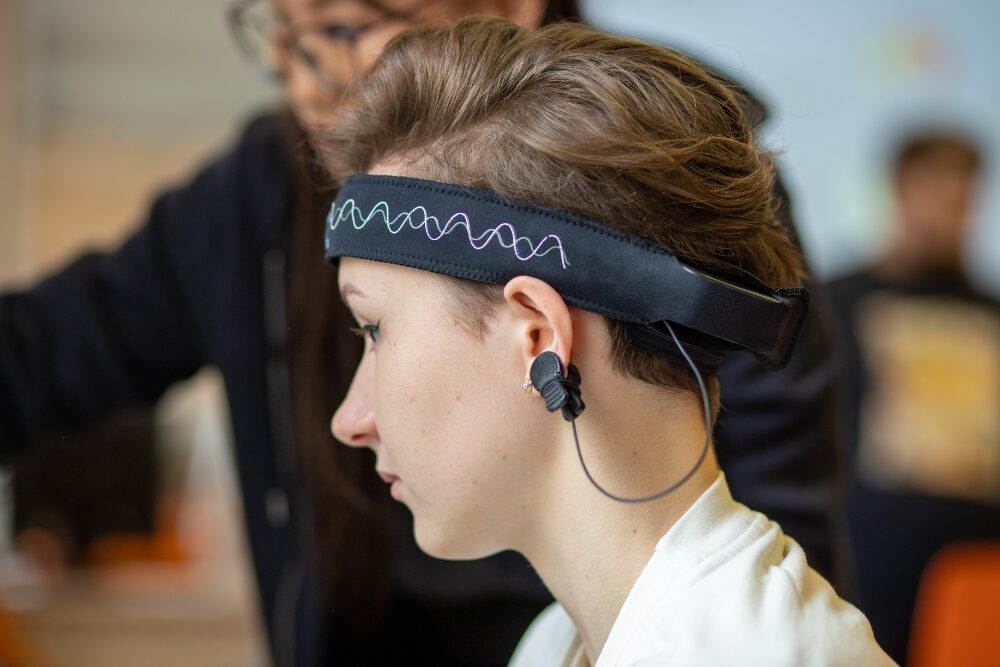
Neurofeedback or biofeedback therapy is a non-invasive intervention used in addiction recovery to help you regulate brain activity associated with cravings, stress, and impulse control. By using real-time EEG feedback, you learn to strengthen healthier brainwave patterns linked to improved emotional regulation and self-control. Neurofeedback promotes changes in brain functioning, which can lead to positive behavioral outcomes.
DBT Therapy for Addiction
Dialectical Behavioural Therapy (DBT) is a type of talk therapy that helps you understand how your thoughts influence your behaviours and teaches you how to manage the intense emotions that often lead to substance use. DBT equips you with practical skills in distress tolerance and emotional regulation, giving you tools to cope with cravings and triggers without turning to drugs or alcohol.
EMDR Therapy for Addiction
EMDR is evidence-based and led by a trained therapist, with structured sessions aimed at changing how traumatic memories are processed. It’s a structured treatment that uses bilateral sensory stimulation while the individual recalls a traumatic memory. This process helps the brain reprocess and resolve the memory, changing how it is stored. As a result, emotional distress is reduced, and negative beliefs are replaced with healthier ones.
Motivational Interviewing for Addiction
Motivational interviewing is a therapy that helps you explore your desire to change and strengthen your commitment to recovery. Through guided conversations, it encourages self-reflection, resolves ambivalence, and supports making positive choices without judgment.
Mindfulness for Addiction
Mindfulness helps you stay present and aware of your thoughts, feelings, and cravings without judgment. Practicing mindfulness can reduce stress, improve emotional regulation, and give you healthier ways to cope, supporting long-term recovery and preventing relapse.
Recreational Therapy for Addiction
Recreational therapy involves hands-on experiences to help soothe trauma-based emotions. Recreational therapies bring unique benefits that traditional talk therapies sometimes can’t reach. By using creativity to express yourself in ways that words cannot capture, you can release and work through trauma and emotions in a healthy way. These creative activities encourage healthy coping mechanisms and improve mindfulness.
Music Therapy for Addiction Recovery
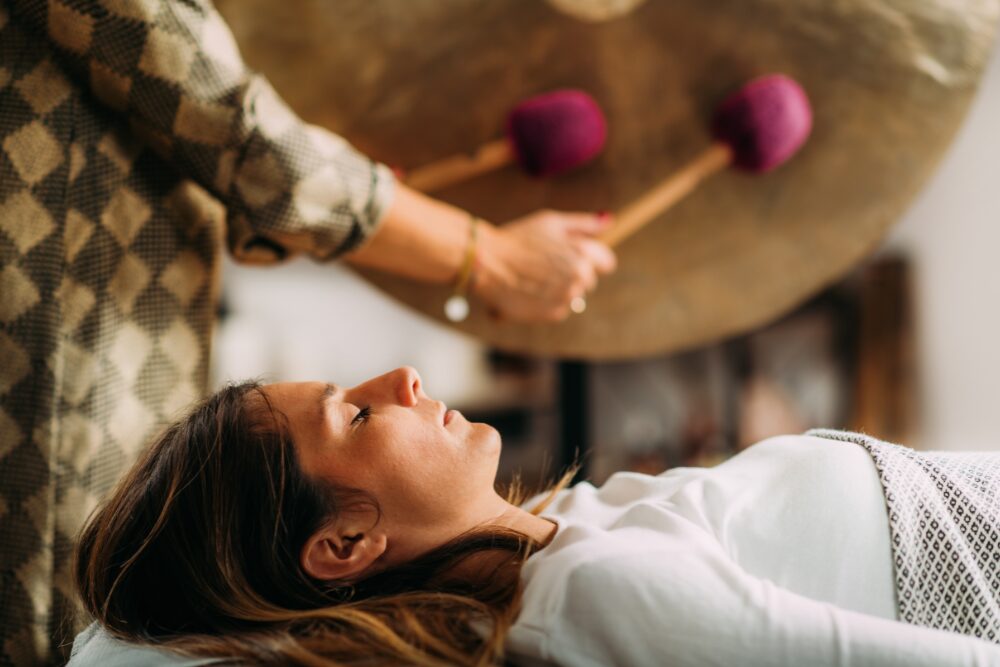
Music therapy involves activities such as singing, playing instruments, listening to music, songwriting, and drumming. Engaging in such activities fosters creativity and improves moods, as well as strengthens social connections in group settings, making it a valuable complementary approach that enhances traditional treatments and supports long-term recovery.
Art Therapy for Addiction
Art therapy involves creative activities like sketching, drawing, painting, and sculpting to help you manage your emotions, rebuild your self-confidence, and gain insights into underlying feelings. These activities provide you with an outlet to express experiences that you may find difficult to articulate in words. Art therapy for addiction also provides a healthy outlet for expression, so instead of turning to substances to cope with distressing emotions, you can turn to art.
Reaping the Benefits of Holistic Addiction Recovery Therapy
At Wellbrook Recovery, we understand that successful addiction treatment starts with your history, your needs, and your goals. Our evidence-based therapies, from CBT and DBT to trauma-focused approaches like EMDR, are combined with holistic and recreational therapies to create your personalised path to recovery. Our experienced team works closely with you to design a treatment plan that addresses both the root causes of addiction and the skills needed for long-term sobriety.
To find out more about our programs or discuss which therapy works best for you, reach out to us today.
Frequently Asked Questions on Therapy for Addiction
Which addiction treatment option combines a variety of therapy techniques?
WellBrook Recovery’s comprehensive rehabilitation program combines a variety of therapy techniques for addiction treatment. Our programs typically include cognitive-behavioral therapy, group counseling, family therapy, and holistic approaches like mindfulness or exercise. This multi-modal approach addresses both psychological and behavioral aspects of addiction.
What is the best therapy for addiction?
The best therapy for addiction is cognitive-behavioral therapy (CBT) due to its strong evidence base and effectiveness across various substance use disorders. CBT helps individuals identify triggers, change harmful thought patterns, and build coping strategies. It is often combined with other therapies for a comprehensive treatment plan.
How do I know which therapy is right for me?
At WellBrook, we have a qualified addiction professional assess your needs, history, and preferences to recommend a tailored treatment plan with the right balance of therapies to ensure a successful and sustainable recovery journey.
Can I change my therapy plan during rehab?
Yes. At WellBrook Recovery, we regularly review progress and adjust treatment plans to ensure therapy continues to meet your evolving needs on your recovery journey.
Can acupuncture help with addiction?
Acupuncture can help with addiction by reducing withdrawal symptoms, easing anxiety, and supporting emotional regulation. It is often used as a complementary treatment alongside traditional therapies.













































13 Comments
seo trackbacks software
iktkcbniw wveel giyiodh wmwt azcljvyoaestgbm
… [Trackback]
[…] Find More Info here on that Topic: wellbrookrecovery.com/blog/therapy-for-addiction/ […]
… [Trackback]
[…] Read More on to that Topic: wellbrookrecovery.com/blog/therapy-for-addiction/ […]
… [Trackback]
[…] Find More Info here to that Topic: wellbrookrecovery.com/blog/therapy-for-addiction/ […]
… [Trackback]
[…] Read More on that Topic: wellbrookrecovery.com/blog/therapy-for-addiction/ […]
… [Trackback]
[…] Information on that Topic: wellbrookrecovery.com/blog/therapy-for-addiction/ […]
… [Trackback]
[…] Find More Info here to that Topic: wellbrookrecovery.com/blog/therapy-for-addiction/ […]
… [Trackback]
[…] There you can find 21393 more Info to that Topic: wellbrookrecovery.com/blog/therapy-for-addiction/ […]
… [Trackback]
[…] Find More Information here to that Topic: wellbrookrecovery.com/blog/therapy-for-addiction/ […]
… [Trackback]
[…] Read More on to that Topic: wellbrookrecovery.com/blog/therapy-for-addiction/ […]
… [Trackback]
[…] Find More here to that Topic: wellbrookrecovery.com/blog/therapy-for-addiction/ […]
… [Trackback]
[…] Find More to that Topic: wellbrookrecovery.com/blog/therapy-for-addiction/ […]
… [Trackback]
[…] Information on that Topic: wellbrookrecovery.com/blog/therapy-for-addiction/ […]