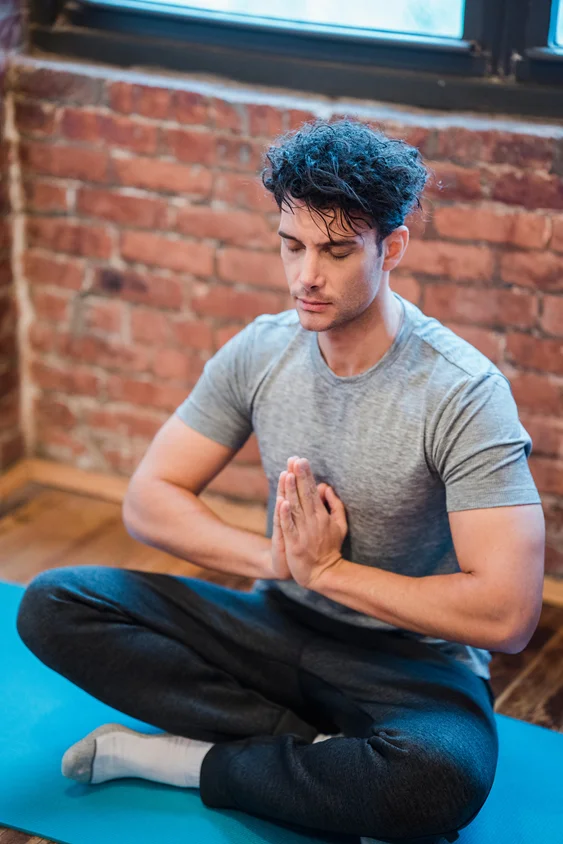
Yoga is a practice that combines movement, breathing, and attention. The goal is not to perform challenging poses, but to learn how to notice what’s happening in your body and respond in a more regulated way. That matters in addiction recovery because substance use often disrupts how the body handles stress, discomfort, and emotional swings.
Yoga for addiction recovery focuses on slowing our system down. It teaches skills such as controlled breathing, staying present during uncomfortable sensations, and recognizing tension before it turns into overwhelm. These are the same skills many people are trying to build in therapy, just practiced physically through recovery with yoga. Read on as WellBrook Recovery, leaders in addiction rehabilitation, explain how yoga can be a safe and supportive tool during your recovery.
Table of Contents
Key Takeaways: Yoga for Addiction Recovery
- Yoga is not a cure for addiction, but it can be a helpful support tool during treatment and ongoing recovery.
- Many people in recovery use yoga to help manage stress, cravings, and emotional reactivity.
- Research suggests yoga may reduce short-term cravings and improve nervous system regulation, especially when practiced consistently.
- Yoga tends to be most helpful when it is recovery-informed and part of a broader treatment plan.
- Structured programs that understand addiction are usually more effective than general yoga classes.
Common Types of Yoga Used in Addiction Recovery
Not all yoga classes are a good fit for someone in recovery. Some styles are physically demanding or performance-focused, which can feel discouraging or overstimulating early on.
In treatment settings, programs usually rely on gentler, more predictable styles, such as:
- Hatha yoga, which moves at a steady pace and focuses on basic postures
- Vinyasa yoga, when taught slowly with an emphasis on breath and control
- Trauma-informed yoga, which prioritizes choice, safety, and body awareness
- Breath-focused practices that emphasize calming the nervous system
Yoga for recovering addicts works best when the class environment feels supportive and nonjudgmental, and when instructors understand how substance use affects the body and mind. These classes often incorporate yoga poses for addiction recovery that emphasize grounding, balance, and breath rather than intensity or performance.
How Is Yoga Used in Addiction Treatment?
Yoga is most effective when it’s used alongside therapy, medical care, and recovery planning. It’s not meant to replace counseling or clinical treatment.
In inpatient rehab and outpatient programs, yoga may be offered as:
- A scheduled group activity during treatment
- A way to manage anxiety, restlessness, or sleep issues
- A long-term recovery habit that patients can continue after discharge
Some programs go a step further by offering yoga therapy for addiction, which integrates recovery principles into the practice itself. These sessions are intentionally designed to help participants work with cravings, emotional regulation, and discomfort rather than avoid them.
Benefits of Yoga for Addiction Recovery
The benefits of yoga for addiction recovery include learning how to live with stress, emotions, and discomfort without turning back to old coping strategies.
Yoga supports recovery by helping people:
- Build steady routines
- Improve sleep and physical awareness
- Recognize emotional and physical cues earlier
- Practice responding rather than reacting
Programs that combine yoga with peer support and recovery principles often see stronger engagement because the practice connects directly to daily recovery challenges.
How Yoga Helps Reframe the Addictive Mind
Substance use disorders change how the brain processes stress, reward, and impulse control. Even after detox, these systems can remain sensitive for months or longer.
Yoga may help by supporting nervous system regulation. Slow breathing and controlled movement activate the body’s calming response, which can reduce the intensity of stress reactions that often trigger relapse. While yoga does not undo addiction-related brain changes, it can make those reactions easier to manage.
The following table supports studies showing that yoga can aid recovery from substance use disorders, addressing stress, cravings, and withdrawal symptoms.
| Benefit | What It Is | How Yoga Helps | Additional Info |
| Yoga to Increase GABA | GABA is a neurotransmitter that helps calm brain activity. Low GABA is linked to anxiety, agitation, and difficulty sitting with discomfort, which are common in early recovery. | Some studies suggest yoga practice is associated with increased GABA activity, which may help people feel steadier and less reactive. | Supports early recovery; helps regulate mood. |
| Yoga Reduces Stress | Stress is one of the most common relapse triggers, regardless of substance. | Yoga for sobriety emphasizes breathing and awareness, which helps slow the body’s stress response. | Over time, people often become better at recognizing stress early and responding before it escalates into craving or impulsive behavior. |
| Yoga Helps Control Addictions and Cravings | Cravings are physical sensations that can include tension, restlessness, and discomfort. | Yoga teaches people how to stay present with those sensations without immediately trying to escape them. | Closely tied to relapse prevention, often included in treatment programs. |
| Practicing Yoga Makes You Naturally High | Some people feel calmer, clearer, or more grounded after yoga. | This is related to endorphin release and nervous system regulation, not intoxication. | For those who previously relied on substances, relief becomes something the body can generate naturally. |
| Yoga Can Help With Withdrawal Symptoms | Withdrawal can involve anxiety, muscle tension, restlessness, and trouble sleeping. | Gentle yoga and breathing practices may help ease some symptoms once medical safety is established. | Yoga for drug addiction and yoga for alcohol addiction should not replace medical withdrawal management, but it can be a helpful support once someone is stable. |
Benefiting From Yoga on Your Path to Recovery
At Wellbrook Recovery, yoga is used as part of a comprehensive treatment approach. The focus is not on flexibility or performance, but on helping patients build practical skills they can use outside of treatment.
Sessions are structured, recovery-informed, and led by trained facilitators who understand substance use disorder. This helps ensure yoga remains supportive and accessible rather than overwhelming.
Take the next step in your recovery journey. Contact us to learn how our structured yoga sessions can support lasting sobriety.
Frequently Asked Questions About Yoga for Addiction Recovery
Is yoga good for addiction?
Yes. Yoga supports addiction recovery by helping manage stress, cravings, and emotional regulation when used alongside evidence-based treatment.
Can yoga replace therapy or rehab?
No. Yoga works best as a complementary practice alongside counseling, medical care, and structured recovery support.
What type of yoga is best for addiction recovery?
Gentle, predictable, and trauma-informed styles are usually the best fit for people in recovery.
How often should someone practice yoga during recovery?
Even a few sessions per week can be helpful. Consistency matters more than intensity.
Is yoga safe during early sobriety?
Yes, in most cases. Yoga should be guided by trained facilitators and adapted to individual needs. Medical clearance is recommended early in recovery.