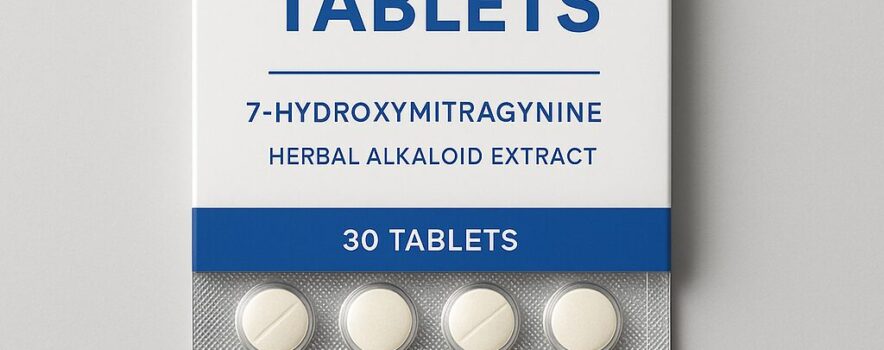
In the past eight months, Wellbrook Recovery’s admissions team has seen an 800% increase in inquiries related to 7-hydroxymitragynine, better known as 7-OH. The calls are coming from people who started using a legal, over-the-counter kratom product and ended up unable to stop.
Clinical observations by Laura Browning, MSN, RN, Director of Nursing at Wellbrook Recovery
What is 7-OH addiction? Is 7-OH considered addictive?
Contrary to what many think, 7-oh is addictive. Because it is so readily and legally available in many states, users are led to believe that it’s just an innocent kratom product. Until they can’t get by without it, and the creeping truth seeps in. This stuff is addictive.
An article on Science direct explains that 7-OH is an opioid agonist- meaning it acts on opioid receptors and activates them, just like all standard opioids, which makes it highly addictive.
A clinical warning: 7-OH and the bridge to harder opioids
Laura Browning, MSN, RN, Director of Nursing at Wellbrook Recovery, has documented a pattern not yet widely reported in the clinical literature: clients turning to heroin or fentanyl when they are unable to obtain 7-OH.
“Several clients have told us that when they couldn’t obtain 7-OH, they turned to heroin or fentanyl.”
For public health officials and clinicians tracking the opioid crisis, this is a significant data point. A product sold legally in gas stations and smoke shops is producing a level of dependence serious enough to drive people toward illicit opioids when the supply runs out.
Why is 7-OH addictive?
When opioid receptors are activated, they trigger a surge of dopamine that produces feelings of euphoria, pain relief, and calm. With repeated use, the brain adapts to that stimulation and stops functioning normally without it.
Because 7-OH activates these opioid receptors, it is highly addictive, just like morphine, fentanyl, or heroin.
Signs you may be addicted to 7-OH
If you’re unsure if you’re addicted to 7-oh, the DSM-5 criteria for opioid addiction are as follows:
- Using more than intended
- Failed attempts to cut down
- Spending a lot of time obtaining or using it
- Cravings for the substance
- Continued use despite negative consequences
- Tolerance — needing more to get the same effect
- Withdrawal when stopping
If any of the above applies to you, speak to a trusted healthcare provider. You may be addicted to 7-OH, and there are treatment options available.
7-OH withdrawal
7-OH Withdrawal Symptoms
Based on published case reports and Wellbrook Recovery’s direct clinical experience, 7-OH withdrawal closely resembles standard opioid withdrawal, and in some cases even surpasses it in intensity. Browning describes a consistent pattern across clients she has personally observed through detox. The symptoms she describes include:
Physical Symptoms
- Muscle pain and weakness
- Nausea, vomiting, and diarrhea
- Hot and cold sweats
- Restlessness
- Elevated heart rate and blood pressure
Psychological Symptoms
- Severe anxiety
- Insomnia
- Disorientation
- Agitation
“From what clients have described, this is one of the worst detoxes — one of the worst days — they have ever been through.” Says Browning
7-OH withdrawal timeline
No formal withdrawal timeline for 7-OH has been established in the clinical literature. What is known comes from published case reports and treatment centers like Wellbrook Recovery that are actively managing these patients.
Based on those sources, onset typically occurs within 24 to 72 hours after the last dose, though some patients have experienced symptoms within 6 to 8 hours. Acute symptoms peak within the first several days, with sleep disruption documented up to five days after the last dose.
Wellbrook Recovery’s clinical experience extends that picture considerably. “Depending on frequency and dosage of use, withdrawal can begin within hours of the last dose and persist for 10 to 14 days,” Browning says, “with post-detox symptoms continuing beyond that.”
- Anxiety, restlessness
- Insomnia
- Elevated heart rate
- Sweating
- Irritability
- Muscle aches, nausea
- Severe agitation
- Disorientation
- Hypertension
- Psychomotor agitation
- Physical symptoms subside
- Fatigue
- Mood instability
- Sleep disruption
- Lingering anxiety
- Sleep disruption
- Intermittent cravings

7-OH detox
How can I get clean from 7-OH tablets?
Getting clean from 7-OH requires detox under medical supervision. After detox, you will be assessed by a treatment team to determine your individual needs and develop a personalized treatment plan.
Wellbrook Recovery’s detox protocol prioritizes patient comfort. This is accomplished through both non-drug-based techniques such as dark rooms, music, aromatherapy, and massage devices, and through medications for blood pressure, pain relief, GI issues, and nerve stabilization. Additionally, nurses complete assessments throughout the day to ensure ultimate patient comfort.
Post detox
After detox, you will participate in evidence-based therapies, counseling, and recovery-focused programming designed to address the underlying causes of substance use, build healthy coping skills, and prevent relapse. As treatment progresses, you will work on developing a strong support system and a long-term recovery plan, including aftercare services and ongoing support to help you maintain sobriety and achieve lasting recovery
Can I quit 7-OH on my own?
Like other opioids, quitting without medical supervision can be dangerous. Life-threatening complications can develop, including severe agitation, psychosis, and respiratory distress.
Attempting withdrawal at home also carries the risk of precipitated withdrawal- a sudden, severe spike in symptoms that occurs when certain medications (like buprenorphine) are given before enough opioid has cleared the system. Without medical supervision to to time medications correctly, the risk is hard to manage safely.
Do rehabs treat 7-OH addiction?
Yes, most premier drug and alcohol rehabs treat 7-OH addiction. Wellbrook Recovery has extensive experience treating opioid use disorders, and works with all new opioid substances, including 7-OH.
Does Wellbrook Recovery treat 7-OH addiction?
Yes. Wellbrook Recovery treats 7-OH addiction at both our Brookfield, Wisconsin and Chardon, Ohio locations. Our clinical team has extensive experience managing opioid use disorders and stays current on emerging substances like 7-OH as they enter the treatment landscape.
Because 7-OH withdrawal presents similarly to other opioid withdrawals, our medical detox program is well-equipped to manage it — including medically supervised withdrawal, medication-assisted symptom management, and around-the-clock clinical monitoring to keep you safe through the process.
Does insurance cover treatment for 7-OH?
Yes, most insurances will cover addiction treatment and rehab for 7-OH. If you’re unsure about your insurance coverage, reach out to the Wellbrook Recovery admissions team and we’ll gladly confirm and explain to you all aspects of your insurance eligibility.
Final Notes
Laura Browning concludes “One of the biggest misconceptions about 7-OH is that because it’s sold openly, it’s somehow safer than traditional opioids. That’s simply not what we’ve seen clinically. Dependence can develop quickly, and withdrawal can be brutal. Just because a substance is accessible doesn’t mean it’s safe.” If you’re ready to get clean from 7-OH, you’re not the only one. In the past eight months, Wellbrook Recoveries admissions team has seen an 800% increase in 7-OH related inquiries. 7-OH use has seen a rapid rise in popularity, and with it, an influx of individuals seeking to get clean from it.
FAQs
Yes. 7-hydroxymitragynine (7-OH) is a potent opioid agonist, meaning it activates the same brain receptors as drugs like morphine, fentanyl, and heroin. Despite being sold over the counter in many states, the FDA has formally recognized 7-OH as an emerging opioid threat and has recommended it be scheduled under the Controlled Substances Act.
Yes. Because 7-OH activates opioid receptors, it has addiction potential. Additionally, many users develop dependence without realizing it, partly because the product is legally available and not always labeled as an opioid.
7-OH withdrawal is similar to opioid withdrawal and can include nausea, sweating, anxiety, restlessness, insomnia, elevated heart rate, and muscle discomfort. In severe cases involving heavy use, symptoms can escalate to agitation, disorientation, and respiratory distress.
Based on published case reports, withdrawal onset typically occurs within 24 to 72 hours after the last dose, though some users report symptoms within hours. Acute symptoms generally peak within the first several days, though sleep disruption and psychological symptoms can persist beyond that.
It is not recommended. Like other opioids, stopping 7-OH abruptly without medical supervision can lead to dangerous complications. Medical detox allows clinicians to monitor symptoms and manage withdrawal safely, including timing any medications correctly to avoid precipitated withdrawal.
Most insurance plans cover addiction treatment, including detox and rehab for opioid use disorders like 7-OH dependence. Contact Wellbrook Recovery’s admissions team and we’ll verify your coverage and walk you through your options.
Are you ready to be given a new chance at health and happiness? Be your true best self? Has going it alone not been working? Perhaps you’re concerned about a loved one and want to support them in obtaining the help they need to get better?
Wellbrook Recovery has extensive experience and expertise assisting individuals with all types of substance abuse struggles. Providing compassionate and cutting-edge, multi-pronged addiction recovery care at our beautiful, upscale facilities.
Our highly regarded, expert team of multi-licensed therapists and specialists will make your success their own and will hold your hand throughout, regardless of where you currently at. We’ve done it hundreds of times, helping individuals and families reclaim their lives, their confidence, and their smiles.
Just reach out.
We’ll walk you through the simple admission process and answer any and all questions.
We understand that addiction affects everyone differently, which is why we offer a range of treatment options designed to meet your individual needs. Our treatment center provides the following programs:
Drug & Alcohol Detox: Detoxification is often the first step in recovery. Our facility provides medically supervised detox to help clients safely manage withdrawal from drugs or alcohol in a supportive environment.
Inpatient Drug Rehab: Inpatient treatment offers a structured environment so clients can focus on recovery free from distractions. It’s ideal for those at the beginning of their recovery journey who need intensive, around-the-clock care to overcome addiction.
Day rehab – Partial Hospitalization Program (PHP): As clients transition from inpatient care to a more independent lifestyle, PHP gives them the support they need as they continue on their road to recovery. By spending much of the day in rehab but the evenings at home, clients reinforce the life and recovery skills they learned during inpatient treatment.
Outpatient Treatment Programs (Day/Evening): For those who need more flexibility, outpatient programs allow clients to continue living at home while attending treatment on a part-time basis.
Wellbrook Recovery believes in treating the whole person, not just the addiction. Our services go beyond detox and inpatient care to ensure a complete recovery process:
- Mental Health Support: Addiction often co-occurs with mental health disorders such as anxiety, depression, trauma and PTSD. Our team of mental health professionals works closely with clients to treat both the addiction and any underlying mental health issues.
- Behavioral Therapy: We utilize proven behavioral therapies such as CBT, DBT, IFS, EMDR, Biofeedback, Music Therapy, Art Therapy, among other advanced therapies to help individuals address the root causes of addiction, develop coping skills, and make lasting changes in their lives.
- Support Groups: Our support groups provide individuals with the opportunity to connect with others who are going through similar struggles. Peer support is an essential part of the recovery journey.
- Family Programs: Addiction impacts not only the individual but also their loved ones. Our family programs educate and support families, helping them to rebuild relationships and provide ongoing support.
- Alumni & Aftercare: We have a network of our close-knit alumni community, with events and support to stay in touch with your recovery and “battle brothers & sisters” from your time in treatment.