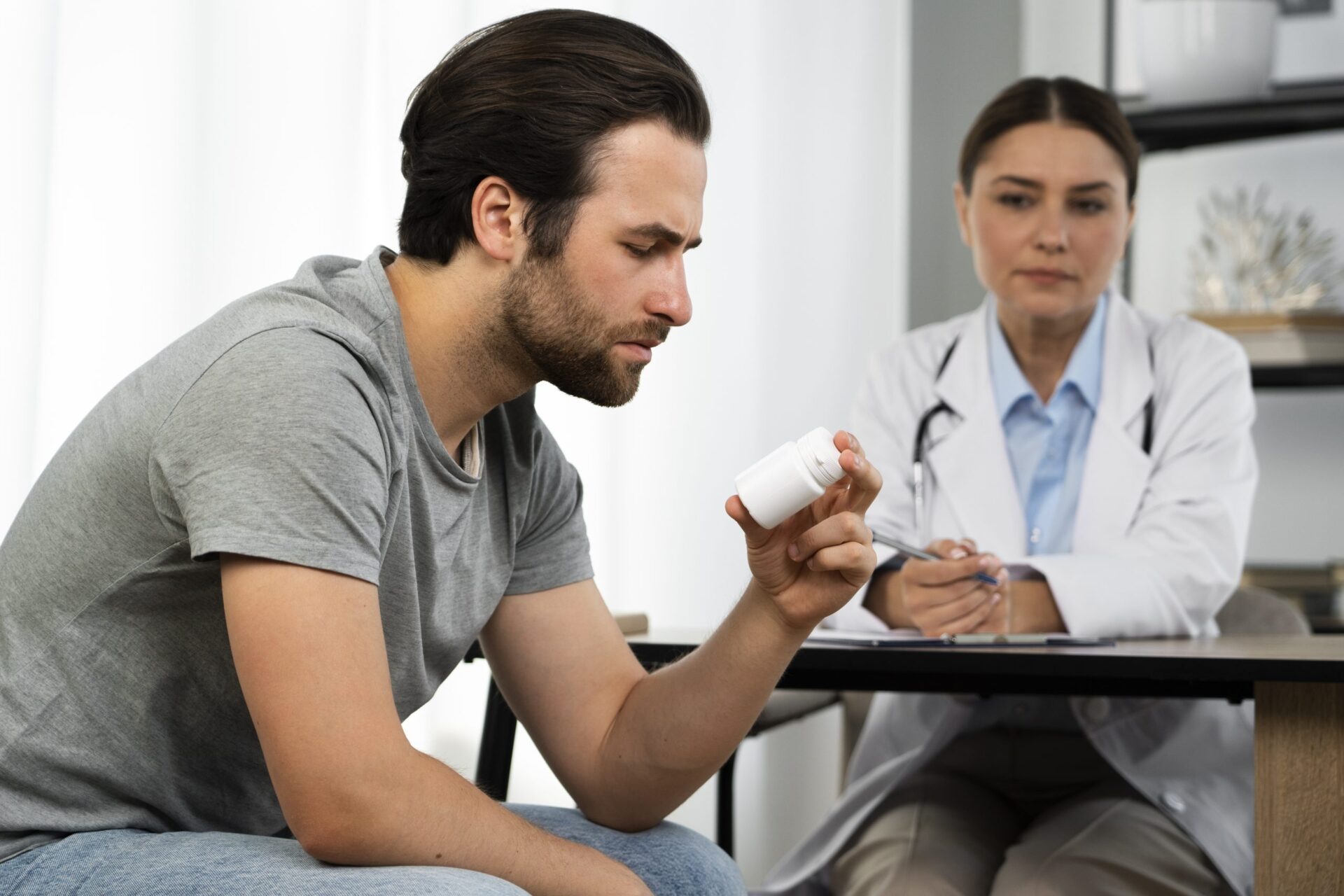
Deciding to stop using drugs or alcohol is a major step. Without medical support, withdrawal can feel overwhelming, and many fear it will be physically painful. At WellBrook Recovery, we have spent over a decade ensuring the safety and comfort of people experiencing withdrawal.
Using detox meds on a short-term basis can greatly reduce your physical distress during withdrawal. Once your symptoms stabilize, the medication doses must be reduced carefully under medical supervision. Discover how detox medications can help you during withdrawal, and why it is essential to use them under professional guidance.
Table of Contents
Key Takeaways About Detox Medications
- Taking certain medications during withdrawal from alcohol and benzodiazepines prevents dangerous complications like seizures.
- Medication relieves distressing physical withdrawal symptoms, allowing you to focus on the emotional work of recovery.
- By reducing distress during this difficult step of recovery, using detox medications lowers the risk of early relapse.
- Our dedicated team of medical professionals builds your medication plan around your substance use history and health needs, and our licensed clinicians provide varied therapeutic modalities to advance your recovery.
Why You Should Use Medications in Detox
Substance use changes how your brain functions over time. Your body adapts and starts needing the substance just to feel normal. When you stop using, your body reacts with withdrawal symptoms. Medication helps ease this transition and enables your body to return to balance safely.
Many people worry that using medication to detox just trades one dependency for another, which can deter them from getting help. However, evidence shows that using medication (supervised by a doctor) to help you detox significantly increases your chances of successful recovery.
Detoxing with medication helps you comfortably get past what many consider the most difficult step of recovery, during which relapse often occurs. Our team of medical experts closely supervises your medication and tapers your dose as soon as you are physically ready, helping prevent dependence on another substance.
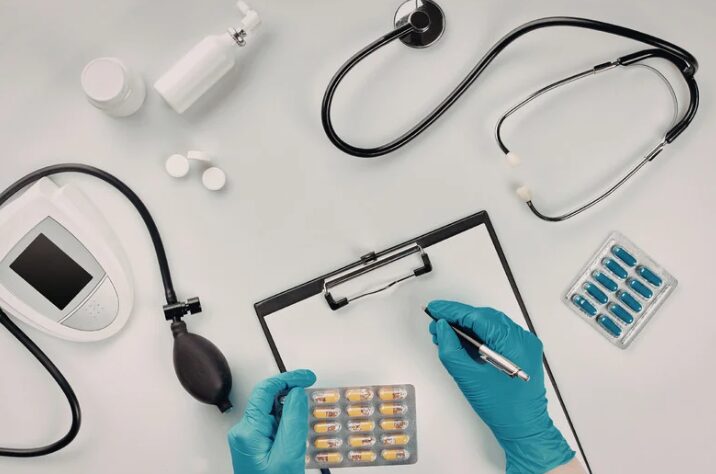
Reduce Cravings With Detox Medication
The brain often has difficulty adjusting after it has adapted to a substance. During the first few days of detox, cravings can feel constant and intense.
The purpose of detox medications is to bind to or block specific brain receptors that trigger these urges, helping to dull the intensity of the physical cravings during early recovery.
Use Medication-Assisted Treatment (MAT) to Minimize Relapse Risk
The early stages of recovery are often the most uncomfortable. Symptoms like tremors, nausea, or severe anxiety can become so overwhelming that using again feels like the only option.
By treating these symptoms with medications, you can lessen the physical pressure that often leads people in detox to start using again.
Detox Meds Can Control Withdrawal Symptoms
Withdrawal can range from flu-like discomfort to serious medical risks that require monitoring of heart rate, blood pressure, and body temperature in a medical setting. Alcohol and benzodiazepine withdrawal carry a risk of seizures or delirium tremens (DTs).
Medications for alcohol detoxification and other drug detox meds address these dangerous withdrawal symptoms while a medical professional monitors you to ensure your safety as the substances leave your system.
Common Medications Used in Detox
Different medications are used based on your specific needs. Detoxification pills generally fall into two categories: medications that help you taper off slowly, and medications that relieve specific symptoms like nausea or trouble sleeping.
All medications are given under close medical supervision.

What Medication Is Used for Detoxing From Alcohol?
Alcohol acts as a sedative for your nervous system. When you suddenly stop drinking, your brain stays on high alert, often causing shakes and a racing heart. Our medical team will recommend that you use medication to manage these symptoms safely and comfortably while the alcohol leaves your system.
Benzodiazepines
Benzodiazepines like Librium, Valium, or Ativan are part of the main protocol for alcohol withdrawal. They calm your central nervous system and prevent seizures. You will be advised to start with a dose that keeps you comfortable, and your doctor will gradually reduce it as your body adjusts to not having alcohol.
Naltrexone
Once the worst of withdrawal is over, Naltrexone helps reduce cravings. It blocks the buzz you’d normally get from alcohol. If you drink while taking it, you won’t feel the effects. This makes drinking less appealing and can stop a slip from becoming a full relapse.
Acamprosate
Acamprosate (Campral) helps reset your brain chemistry after long-term drinking, which suppresses your nervous system. When the alcohol is removed during withdrawal, the nervous system becomes overactive. This medication eases the ongoing anxiety, restlessness, and physical discomfort that can last weeks after detox, sometimes called Post Acute Withdrawal Syndrome (PAWS).
Disulfiram
Disulfiram (Antabuse) works as a deterrent in long-term recovery from alcohol abuse. It causes discomfort like sickness and nausea if taken at the same time as alcohol. You won’t often use this during immediate detox; it’s more of a maintenance tool for people who need a strong long-term barrier against drinking.
Medications for Drug Detox
The medication plan for drug detox depends on what substance you’ve been using. Opioid withdrawal needs different treatment than withdrawal from stimulants or sedatives.

What Medications Are Used for Opioid Detox?
Common medications used for opioid detox include buprenorphine, methadone, clonidine, and lofexidine.
Buprenorphine (Suboxone/Subutex)
This is a partial opioid agonist. It’s given as part of a supervised opioid detox since it attaches to the same brain receptors as heroin and fentanyl without creating a high like those opioids do. By attaching to those receptors, this medication ensures that they are kept occupied during the detox process, preventing intense cravings from developing.
Methadone
Methadone has been the gold standard for opioid withdrawal for decades because of its long-acting effects. It stays in your system at a steady level, preventing the “highs and lows” that lead to relapse. It helps maintain your physical state so you can focus on therapy instead of fixating on your next dose.
Clonidine and Lofexidine
These two detox drugs were originally developed for blood pressure. But they’re effective at reducing the “fight or flight” symptoms of opioid withdrawal, such as anxiety, sweating, and agitation.
Detox Medications Used for Withdrawal From Other Drugs
For withdrawal from drugs like stimulants and benzodiazepines, other medications are used to keep you comfortable and safe as you detox.
Stimulant Withdrawal (Cocaine and Methamphetamine)
Currently, there are no FDA-approved medications specifically for cocaine or meth detox. However, your doctor can still prescribe you various medications to help treat the symptoms, so you don’t have to suffer through them.
- Antidepressants to manage the crash and depression after you stop using stimulants
- Sleep aids to help reset your sleep after long periods of insomnia
- Non-narcotic pain relievers for headaches and muscle pain
Benzodiazepine Withdrawal
Detoxing from benzos like Xanax or Klonopin requires a slow taper. In a medical setting, we switch you to a longer-acting benzodiazepine, such as diazepam, and gradually lower the dose over several weeks.
Supportive Detox Medications
Beyond medications for specific substances, there are several other medications used for detox that treat common withdrawal symptoms:
- Ondansetron for nausea and vomiting
- Hydroxyzine for anxiety
- Trazodone or Melatonin for sleep problems
- Gabapentin for nerve pain and extra seizure prevention
- Ibuprofen for body aches and fever
- Loperamide for diarrhea
- Vitamins (B,1, Folic Acid, Multivitamin) to address nutritional deficiencies that often come with substance use
How Effective Are Detox Medications?
Research shows that detox medications are highly effective at reducing withdrawal symptoms and preventing medical complications.

In 2025, research published in The Journal of Rehabilitation Practices and Research looked into the effectiveness of medication-assisted treatment (MAT) for Opioid Use Disorder. They conducted systematic reviews of many studies from the past decade or so, and found that FDA-approved medications such as methadone and buprenorphine successfully improve treatment retention and reduce opioid use.
Physical stability is the foundation of treatment. By easing the symptoms with detox medications, you can focus on the underlying reasons for your use. Drug detox medications create the stability you need to start addiction therapy, which is where you build long-term recovery skills.
Getting Sober with Detox Medications at WellBrook Recovery

At WellBrook Recovery, we help people regain control of their lives one step at a time. By getting through withdrawal with the support of detox medications, you finally get your body back so you can confidently work towards long-term recovery.
Your medication plan is built around your substance use history and your personal health needs. Once the drugs or alcohol are flushed out of your body and you’re comfortably managing your symptoms, you move into therapy, where you gain skills to help you stay sober and have the opportunity to develop relationships with peers who are going through the same experience.
If you’re thinking about drug or alcohol detox, our devoted team of medical experts can help you take that first step safely and comfortably. Reach out to our team to discuss what using detox medications would look like for you.
FAQs About Detox Medications
Can I just detox at home?
We strongly recommend against home detox, especially for alcohol, benzodiazepines, and opioids. Alcohol and benzodiazepine withdrawal can carry serious risks, including seizures. Opioid withdrawal without closely monitored supportive medication is so painful that most people relapse immediately.
Can I detox my body in 24 hours?
No, 24 hours is too short to fully detox your body from drugs or alcohol. Detox requires several days to 2 weeks, depending on the substance, dose, and duration of use.
How long does detoxing using medication take?
Medication-assisted detox typically lasts 3 to 10 days for acute withdrawal. Alcohol detox often takes 3 to 7 days, while opioid detox lasts 5 to 10 days. Benzodiazepine tapering can require 2 to 8 weeks. Duration depends on substance type, dosage, and medical history.
Do I have to take medication to detox from substance abuse?
You do not have to take medication when undergoing detox, but our doctors will recommend what they think you need to stay safe. Detoxing without medication may also be an option. For some substances, though, medical intervention is necessary to keep you safe.
What is a detox pill?
A drug or alcohol detox pill is a supplement marketed to help the body eliminate toxins from drugs or alcohol more quickly. These pills often contain vitamins, minerals, and herbal ingredients intended to support liver function, reduce withdrawal symptoms, and flush substances from the system. Scientific evidence for their effectiveness is limited, and they can not replace medically supervised detox programs.